How to Choose Potatoes: Avoid Sprouts, Green Skin, Cuts, and Soft Spots
Why Are My Potatoes Always Bad?
We've all been there—getting excited about cooking a potato dish only to find half your bag has sprouted eyes and turned green. This isn't just annoying; it's preventable. Potatoes go bad due to improper storage and poor selection at the store. Temperature swings, moisture, and exposure to light are your enemies. Here's how you outsmart them.
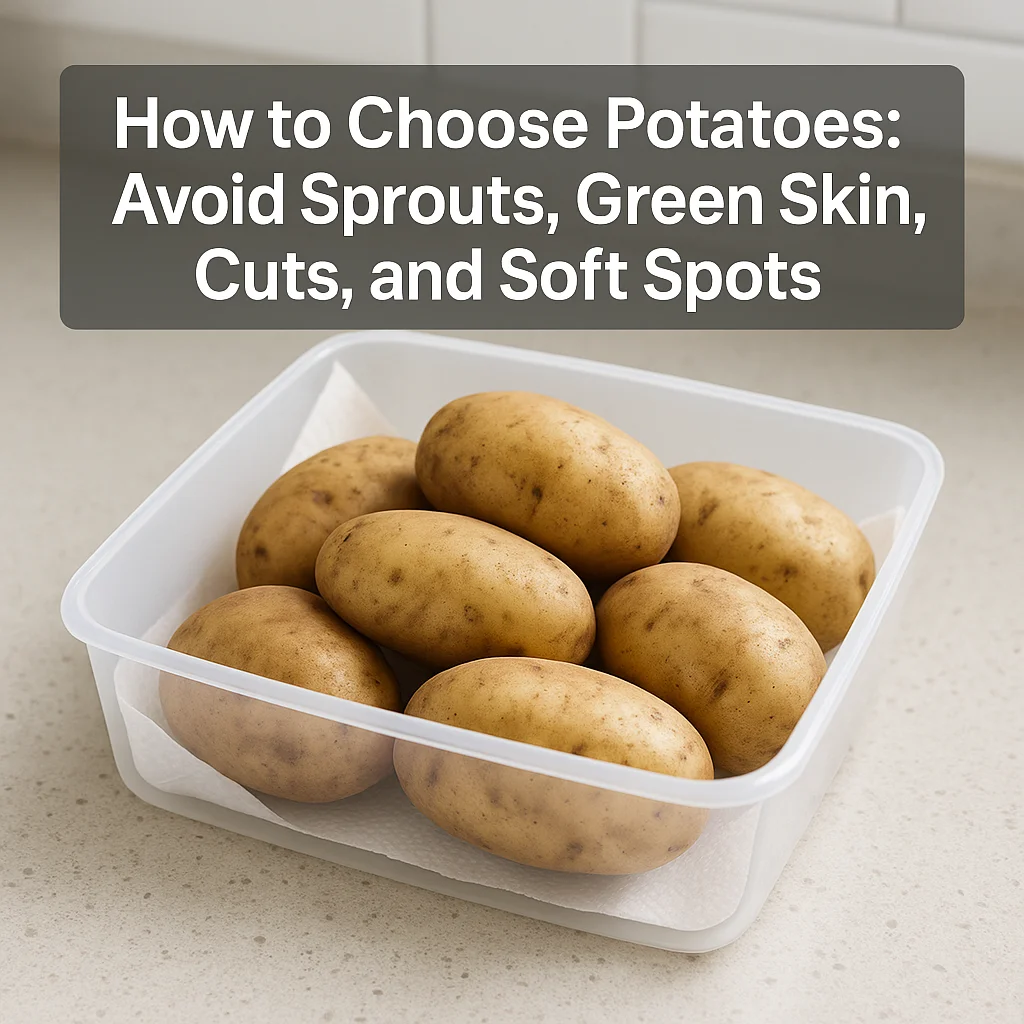
Fast Rules for Checking Potatoes
- Check for firmness: A firm potato is a fresh potato.
- Avoid green skin: Indicates solanine presence, which can be toxic.
- Look for minimal sprouts: A potato with outgrowth is aging fast.
- Avoid cuts or bruises: Damage promotes faster spoilage.
- Avoid moisture: Damp potatoes spoil quickly.
- Keep them cool: Cold temperatures slow spoilage.
- Avoid extreme cold: Freezing affects texture and taste.
- Keep them in the dark: Light exposure turns potatoes green.
- Separate from onions: Onions emit gases that age potatoes faster.
- Inspect weekly: Regular checks help prevent waste.
Buying Checklist: Choose the Best, Avoid the Rest
When selecting potatoes at the store, aim for these qualities to ensure freshness and longevity:
- Firmness: Potatoes should feel solid, not squishy.
- Uniform color: No green patches or spots.
- Minimal eye sprouts: Little to no growth indicates youth.
- Even skin: Smooth and free of bruises or cuts.
- Consistent size: Easier to cook evenly.
- No strange odors: Indicative of spoilage if present.
The Real Fix: Step-by-Step Solution
To keep your potatoes fresh and tasty, the goal is to store them in a cool, dry, and dark environment.
- Purchase potatoes with the above checklist in mind.
- Store in a dark area: Light creates green and bitter skin.
- Keep cool: Ideal temperature is 45°F to 50°F to slow spoilage.
- Use a breathable container: A basket or a paper bag, not airtight, to allow air circulation.
- Avoid moisture: Moisture leads to rotten potatoes. Keep them dry.
- Store away from appliances: Heat can cause sprouting or drying.
- If sprouting occurs, remove the sprouts immediately.
- Check weekly: Look for soft spots or coloration changes; remove affected potatoes.
- If ripeness stages matter, cook and eat sprouted or slightly green potatoes sooner.
- If/Then troubleshooting:
- If potatoes turn green, discard the green parts before use.
- If they sprout, cut off sprouts before cooking.
- If wet, dry them out immediately.
- If they smell, they might be spoiled—inspect carefully.
15–20 Minute Weekly Prep Routine
- Check your potatoes for any signs of spoilage or sprouts.
- Clear moisture traps: Remove potatoes from plastic store bags.
- Wipe down the storage area to remove any potential moisture.
- Inspect storage temperature, using a thermometer if necessary.
- "If I only had 2 minutes": Quickly check for visible sprouts or green skin and remove affected potatoes.
Note: If your fridge is weird (too dry / too humid / freezing back wall), avoid storing potatoes in it. Adjust placement or settings as necessary.
Common Mistakes People Make
- Keeping potatoes in plastic: causes condensation → mold.
- Storing near apples/onions: ethylene gas → faster ripening.
- Leaving potatoes exposed to light: green skin develops.
- Ignoring temperature: too warm → fast sprouting.
- Not rotating stock: older potatoes spoil first.
- Missing weekly checks: unnoticed spoilage spreads.
- Washing before storage: moisture → early rot.
- Using airtight containers: no ventilation → moisture buildup.
- Leaving them near heat sources: dehydration and faster aging.
- Caring less about storage environment: leads to loss faster.
Food Safety Notes
Do not wash potatoes before storing. Wait to wash them just before cooking to avoid moisture buildup that can cause rot. When in doubt about their smell or appearance, toss them to prevent any health risks.
Quick Table
| Produce | Best storage | What to avoid | Typical problem | Quick fix |
|---|---|---|---|---|
| Potatoes | Cool, dark, airy place | Light, moisture, heat | Sprouting, green skin | Remove sprouts, cut green |
FAQ: Potatoes, Sprouts, and Storage
- Can I eat potatoes with green spots? Cut away that part; minimal green is fine if removed.
- Why are my stored potatoes sprouting fast? They might be too warm or exposed to light.
- Should I refrigerate to avoid sprouting? No, too cold alters texture and taste.
- How can I remove sprouts effectively? Use a paring knife to gently pry them away.
- Can I freeze potatoes? Not recommended; texture changes when thawed.
- Why does my potato feel soft? It's aging, discard or cook immediately.
- Can sprouted potatoes be toxic? In large amounts, yes. Remove sprouts.
- What if potatoes smell strange? Likely spoiled—time to toss them.
- Do all types spoil the same way? Generally, yes, though sprouting varies by variety.
Closing
- Store potatoes in a cool, dark, and airy space to extend their life.
- Avoid storing near onions or apples to prevent ethylene-induced aging.
- Regularly check and remove spoiled potatoes to protect the rest.
Smart storage is key to enjoying fresh potatoes without waste. For more tips on handling produce, head to all our guides or dive into our comprehensive buying checklist.
Happy cooking!