Why Lettuce Wilts Fast + How to Revive and Store It Longer
Why Your Lettuce Feels Lifeless: The Real Reason Behind Wilting
We've all been there: you reach into the fridge for your salad greens only to find them looking sad, wilted, and unappetizing. Lettuce wilts quickly due to moisture loss and improper storage conditions. The key issues are temperature swings, excessive humidity, and damage during handling, which cause rapid moisture evaporation, damaging the structure of the leaves.
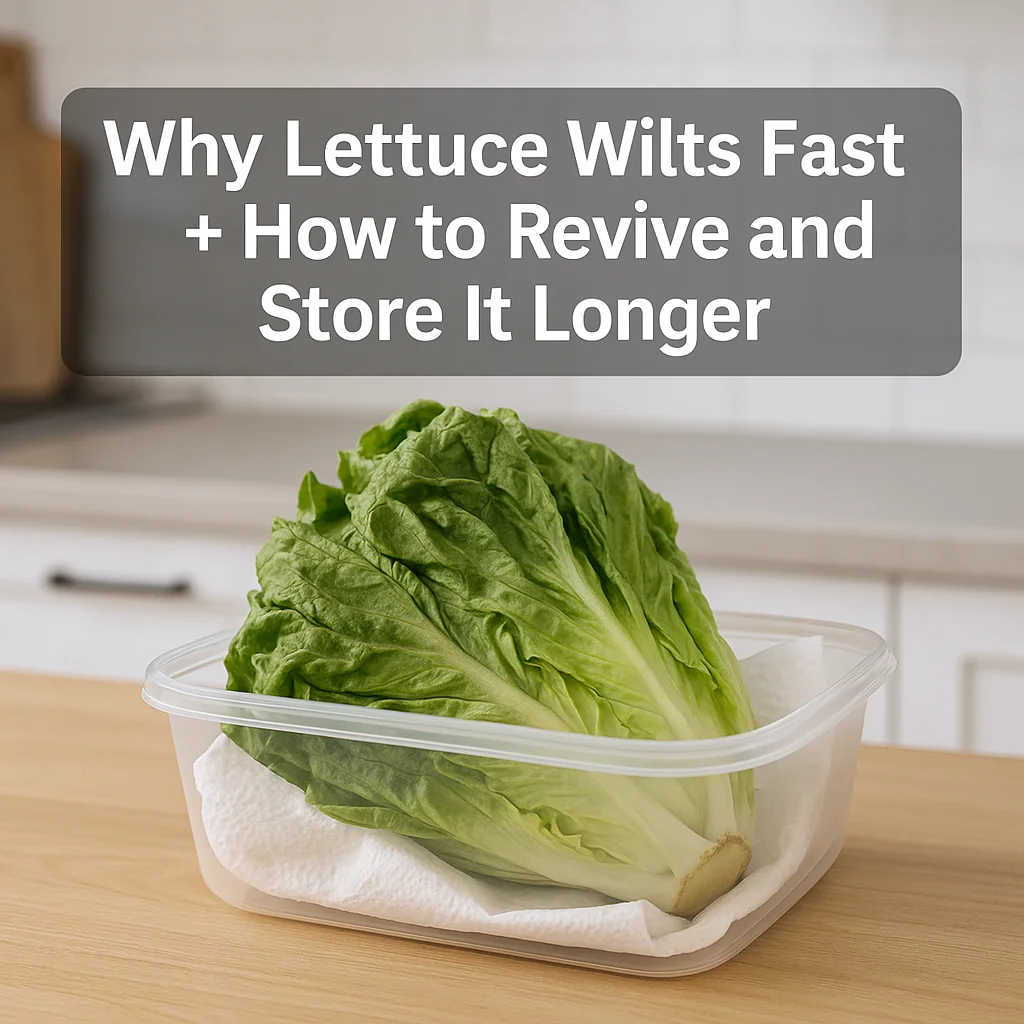
Fast Rules: Quick Tips for Crispier Lettuce
- Store lettuce in the crisper drawer to avoid temperature fluctuations.
- Wrap in a paper towel to absorb excess moisture.
- Use a vented container to allow air circulation.
- Avoid storing near ethylene-producing fruits like apples and bananas.
- Keep refrigerator temperature steady, ideally between 34-38°F.
- Rinse and dry leaves completely before storing to avoid mold.
- Check lettuce for signs of spoilage (slime, discoloration) weekly.
- Use loose leaves or mixed greens within a week for peak freshness.
- Keep away from back wall of the fridge to prevent freezing.
Buying Checklist: Picking the Best Lettuce
- Look for vibrant, crisp leaves without wilting or discoloration.
- Avoid any heads with slimy or spotted leaves.
- Firm, tight heads of lettuce often last longer.
- Organic options might spoil quicker but avoid pesticide residues.
- Purchase based on usage plans – smaller heads for a quicker turnover.
Reviving and Storing Lettuce: The Real Fix
The goal is to keep your lettuce dry but not dehydrated.
- Start by sorting your lettuce: separate wilting leaves from crisp ones.
- Revive slightly wilted lettuce in a cold water bath for 15-20 minutes.
- Dry leaves thoroughly using a salad spinner or paper towels.
- Wrap lettuce in a clean, dry paper towel to absorb moisture.
- Place leaves in a vented container or perforated bag to allow air circulation.
- Store in the crisper drawer of the fridge, where humidity is controllable.
- Check the storage container regularly to change wet paper towels.
- Avoid crowding storage containers to allow airflow around the leaves.
- If your fridge tends to freeze the back wall, keep lettuce towards the front.
- Leave heads intact until you are ready to use; cut leaves spoil faster.
If/Then Troubleshooting
- If lettuce is slimy, then discard it to avoid the risk of foodborne illness.
- If leaves are dry and brittle, then try rehydrating with a cold water bath.
- If you see condensation, then dry and rewrap in a new paper towel.
- If lettuce has a bad smell, then it's beyond saving and must be discarded.
- If the fridge is too humid, then use a less airtight container for storage.
- If the fridge is too cold, then adjust the temperature setting slightly higher.
- If lettuce is getting brown edges, then trim them off before storing again.
- If spaces are limited, then try stacking but ensure airflow between trays.
15–20 Minute Weekly Prep Routine for Lettuce
- Remove outer leaves and check for any signs of spoilage.
- Wash the entirety under cold water to remove dirt and debris.
- Place leaves in a dishtowel or salad spinner to dry thoroughly.
- Lay each leaf flat, wrapping stacks of a few in paper towels.
- Store the wrapped stacks in a labeled airtight or vented container.
- Shake excess water off; don't skip drying.
- Wrap quickly in paper towel and store in a vented bag.
- Place at eye-level in the fridge for quick, easy access.
If I Only Had 2 Minutes
If Your Fridge Is Weird
If your fridge is too dry, consider using slightly damp paper towels. If it's too wet, opt for breathability by not sealing containers fully.
Common Mistakes: Learn and Avoid
- Storing near ethylene producers → Causes faster wilting → Keep separate.
- Not drying leaves properly → Leads to mold → Always dry before storing.
- Leaving in plastic wrap → Causes condensation → Use vented bags.
- Using an airtight container → No air circulation → Vent containers.
- Ignoring fridge temperature → Leads to freezing → Set temps correctly.
- Overstuffing drawers → Crushed leaves → Give space for air circulation.
- Buying in bulk without plan → Likely waste → Buy based on weekly use.
- Forgetting to check for spoilage → Consumed spoiled greens → Inspect weekly.
- Not trimming bad parts → Spoilage spreads → Remove spoiled parts immediately.
- Washing and storing immediately → Wet leaves spoil → Dry completely first.
Food Safety Notes: When to Wash and Toss
Always wash lettuce just before eating it to reduce spoilage risk. If lettuce is dark, slimy, or smells off, it must be discarded to prevent foodborne illnesses. For more on produce handling, see our post list for related reads.
Quick Storage Reference Table
| Produce | Best Storage | What to Avoid | Typical Problem | Quick Fix |
|---|---|---|---|---|
| Lettuce | Crisper drawer, vented container | Air-tight bags, near apples | Wilting | Cold water bath |
| Spinach | Wrapped in paper towel, fridge | Wetness | Slime | Rinse, dry, store properly |
FAQ: Lettuce Storage and Reviving
- Why does lettuce wilt so fast? Poor storage conditions and moisture loss.
- Can wilted lettuce be revived? Yes, using a cold water bath.
- How can I store lettuce to keep it fresh longer? Keep it dry and use vented containers.
- Why should lettuce be kept away from apples? Apples produce ethylene gas, which speeds up lettuce wilting.
- Is it okay to wash lettuce before storing? Only if you dry it thoroughly afterward.
- What are the best containers for lettuce? Vented bags or containers, providing airflow.
- Can lettuce be frozen? Fresh lettuce shouldn't be frozen; it will lose texture.
- What's the best fridge temperature for lettuce? Between 34 and 38°F to keep texture and freshness.
- How does humidity affect lettuce storage? High humidity can lead to mold; low keeps it crisp.
Closing Thoughts on Lettuce Storage
- Keep your lettuce in a vented container to manage airflow and humidity.
- Avoid handling lettuce more than necessary to prevent damage.
- Regularly check for signs of spoilage to catch issues early.
Lettuce can be a tricky green to get right, but by following these tips, you'll be able to keep your greens crisp and fresh longer. For more tips on produce care, explore our full library of posts.
Check out other helpful guides on our full post list.
For comparisons and substitutions, visit our detailed guide.