Slimy Mushrooms: Safety Check + How to Store Mushrooms Properly
Hook: Why Mushrooms Go Slimy So Fast
Ever bought a pack of mushrooms only to find them turning slimy just days later? Frustrating, isn't it? Mushrooms are delicate and absorb moisture quickly, which accelerates mold growth and makes them slimy. Inconsistent fridge temperatures exacerbate this problem. Here's how you can keep your mushrooms fresh, avoid waste, and enjoy them longer.
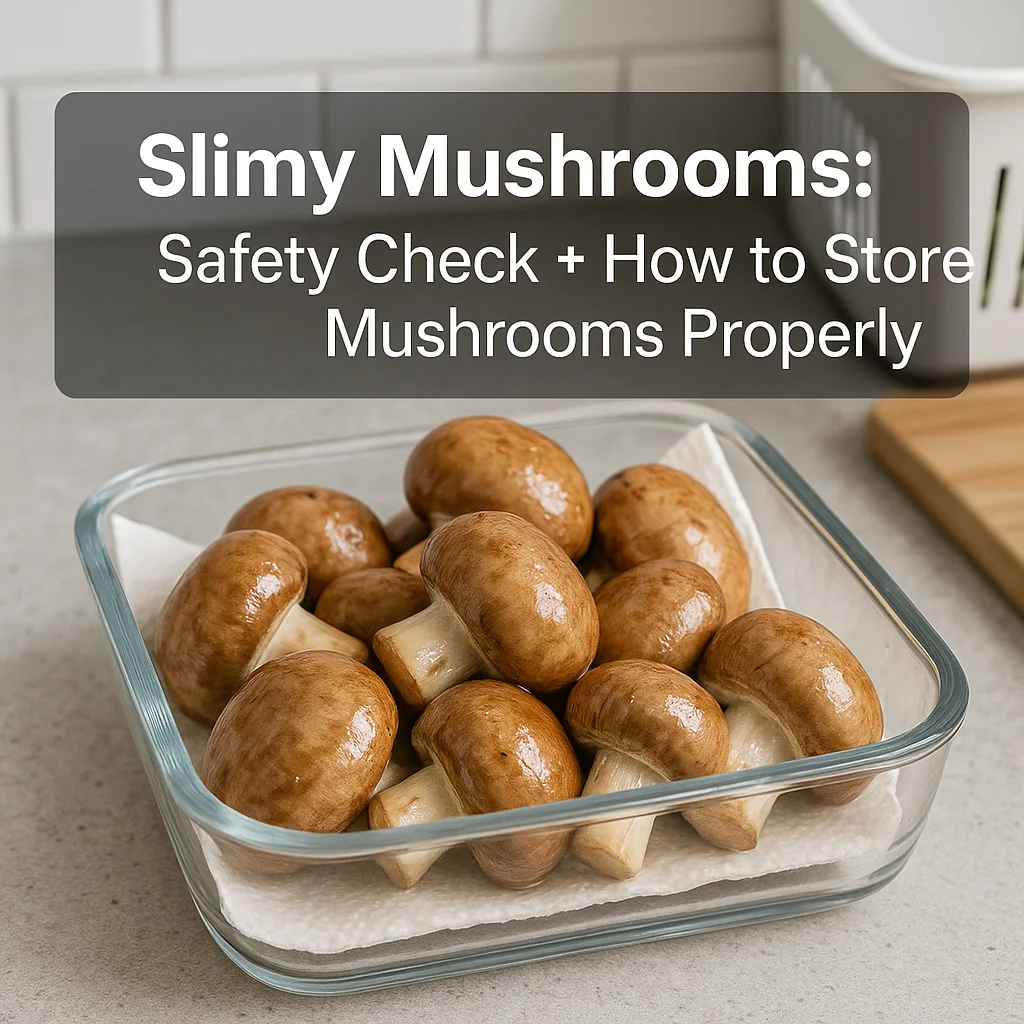
Fast Rules for Storing Mushrooms
- Store mushrooms in a paper bag, not plastic, to absorb moisture.
- Keep them in the fridge, ideally in the vegetable drawer.
- Refrain from washing mushrooms before storing; wash before use.
- Avoid airtight containers; they're prone to trapping moisture.
- Buy fresh; look for firm, dry, and smooth mushrooms.
- Avoid exposing mushrooms to ethylene-producing fruits.
- Check them every few days and remove any suspicious ones.
- If they must be resealed, loosely cover with a lid or wrap.
- Utilize them within a week for optimal freshness.
Buying Checklist: Picking Perfect Mushrooms
When shopping for mushrooms, make sure to select ones that are:
- Firm and plump, indicating they are fresh and full of water.
- Dry without any visible moisture on the surface.
- Free from dark spots or bruises, which are signs of aging.
- Uniform in color and lacking in any signs of slime.
Avoid mushrooms that are soft, slimy, or have any unusual odors.
The Real Fix: Step-by-Step Solution
Goal: Keep mushrooms dry, reduce temperature swings, and control moisture.
- Prepare Storage: Use a paper bag to store mushrooms instead of plastic. This absorbs excess moisture, preventing slime.
- Fridge Location: Place them in the vegetable drawer. It's often more humid than other areas, which keeps them from drying out completely while avoiding slime.
- Avoid Airtight Containers: They trap moisture, accelerating slime formation. Leave them uncovered or cover loosely.
- Use a Salad Spinner: If you accidentally wash too soon, gently spin them to remove moisture before storing.
- Opt for Cooler Temperatures: Keep your fridge at a consistent temperature to avoid fluctuations that can lead to condensation and slime.
- Avoid Mixing with Certain Fruits: Keep them away from ethylene producers like apples or bananas that cause rapid aging.
- Check Regularly: Examine mushrooms every few days. Remove any that seem soft or have strange odors to prevent them from affecting the rest.
- Use a Paper Towel Line: Line the bag with a paper towel to further absorb moisture.
- Gently Rinse Before Use: Clean mushrooms with a gentle rinse or light brushing just before cooking.
- If Using Sliced: Opt for using them within a few days; they're more prone to moisture buildup.
- If mushrooms touch ice or a freezing back wall → Move them to a warmer spot.
- If mushrooms smell a bit off → Cook them immediately.
- If mushrooms start to get slimy → Remove the slimy ones and check the rest.
- If your fridge is overly humid → Add an extra paper towel to absorb moisture.
- If you notice condensation inside the bag → Swap for a new dry bag.
- If natural wrinkles start developing → They're still fine to use soon.
- If mushrooms dry out too fast → Switch to a plastic bag with minimal holes.
- If you notice mold → Toss that batch to prevent risk.
15–20 Minute Weekly Prep Routine
- Assess Stock: Remove your old batch and check for any mushrooms that need to be discarded.
- Refresh Bags: Replace any now-damp paper bags or paper towels with fresh ones.
- Reorganize: Place any newer mushrooms at the back and older ones upfront for easy use.
- Quick Inspection: Check for signs of spoilage or excess moisture before storing.
- Seal Lightly: Loosely cover mushrooms or store in vented containers if available.
- Wash When Ready: Clean mushrooms only as needed for use.
- Tickle Taste Buds: Plan a recipe to include mushrooms for the week to ensure use.
- Check Ethylene Levels: Separate them from strong ethylene-producing fruits.
- Finalize Prep: Consolidate any loose mushrooms into storage sleeves.
- Note: If I only had 2 minutes: Check freshness, toss the bad ones, replace any spoiled bags or towels, and done!
If your fridge is weird: If it runs too dry, consider rehydrating with moist environments like leafy greens; if too humid, bolster dry elements.
Common Mistakes When Storing Mushrooms
- Storing in Plastic: Traps moisture and leads to rapid spoilage. → Use paper bags.
- Losing Track of Age: Forgetting how old they are. → Keep a rotation system in place.
- Not Paying Attention to Odor: Spoilage can affect all mushrooms. → Inspect regularly.
- Washing Early: Introduces moisture early. → Only wash when needed.
- Mixing with Fruits: Exposing to ethylene. → Keep separate to avoid aging dose.
- Sealing Too Well: Prevents airflow. → Allow some air for ventilation.
- Ignoring Temperature Fluctuations: Causes moisture imbalances. → Keep your fridge steady.
- Leaving Mushrooms in the Back: They can freeze or spoil. → Store upfront and check regularly.
- Neglecting to Replace Bags: Old bags absorb no more moisture. → Regularly change them.
- Piling Mushrooms High: Pressure-induced bruising. → Lay them flat in a single layer.
Food Safety Notes
Always wash mushrooms right before use, not before storage. Discard mushrooms that are extensively slimy or smell foul. It's better to be cautious and avoid foodborne illness risks.
Quick Table for Mushroom Storage
| Produce | Best Storage | What to Avoid | Typical Problem | Quick Fix |
|---|---|---|---|---|
| Mushrooms | Paper bag in fridge | Plastic bags | Slime | Swap with a dry bag |
| Sliced Mushrooms | Loose cover in fridge | Airtight containers | Moisture buildup | Use vented storage |
| Button Mushrooms | Vegetable drawer | Near ethylene fruits | Quick spoilage | Separate storage |
FAQ About Slimy Mushrooms
- How can I tell if mushrooms are too slimy to use? If they are slimy to the touch and have a foul odor, it's best to discard them.
- Can washing mushrooms before storing cause slime? Yes, introducing moisture before storing can lead to quick spoilage and sliminess.
- Why store mushrooms in paper bags? Paper bags absorb excess moisture, keeping mushrooms dry and extending their lifespan.
- Are slimy mushrooms unsafe to eat? If mushrooms are just slightly slimy but smell fine, you can cook them thoroughly. Otherwise, discard them.
- Is it okay to freeze mushrooms? Yes, but they must be cleaned, sliced, and properly prepared before freezing to maintain texture.
- Do mushrooms require a specific temperature in the fridge? Consistent, moderate temperatures around 1°C to 4°C (34°F - 39°F) are ideal.
- How do I use mushrooms before they spoil? Cook them in soups, pastas, or sautés where moisture loss during storing doesn't affect recipes.
- What's the deal with ethylene gas and mushrooms? Ethylene accelerates mushroom aging; keep them separate from such fruits.
- Can I store different types of mushrooms together? Yes, as long as all varieties are dry and separate from moisture traps.
- What if only one mushroom is slimy in a batch? Remove it promptly to prevent spreading its slime and spoilage.
Saving Money by Storing Mushrooms Correctly
- Always use breathable bags to extend mushroom freshness.
- Inspect regularly to catch and use before spoilage.
- Rotate for optimal use, ensuring none are forgotten.
Mastering mushroom storage might seem small, but it greatly reduces waste and enhances your cooking. Remember, a well-kept mushroom makes all the difference!
For more tips on storing your favorite fruits and veggies, visit our complete guide list.
Looking for produce comparisons and substitutions? Check our solutions page for more ideas!