Potato Sprouts: When They’re Safe vs When to Toss (Simple Rules)
Hook: Potato Waste—A Real-Life Frustration
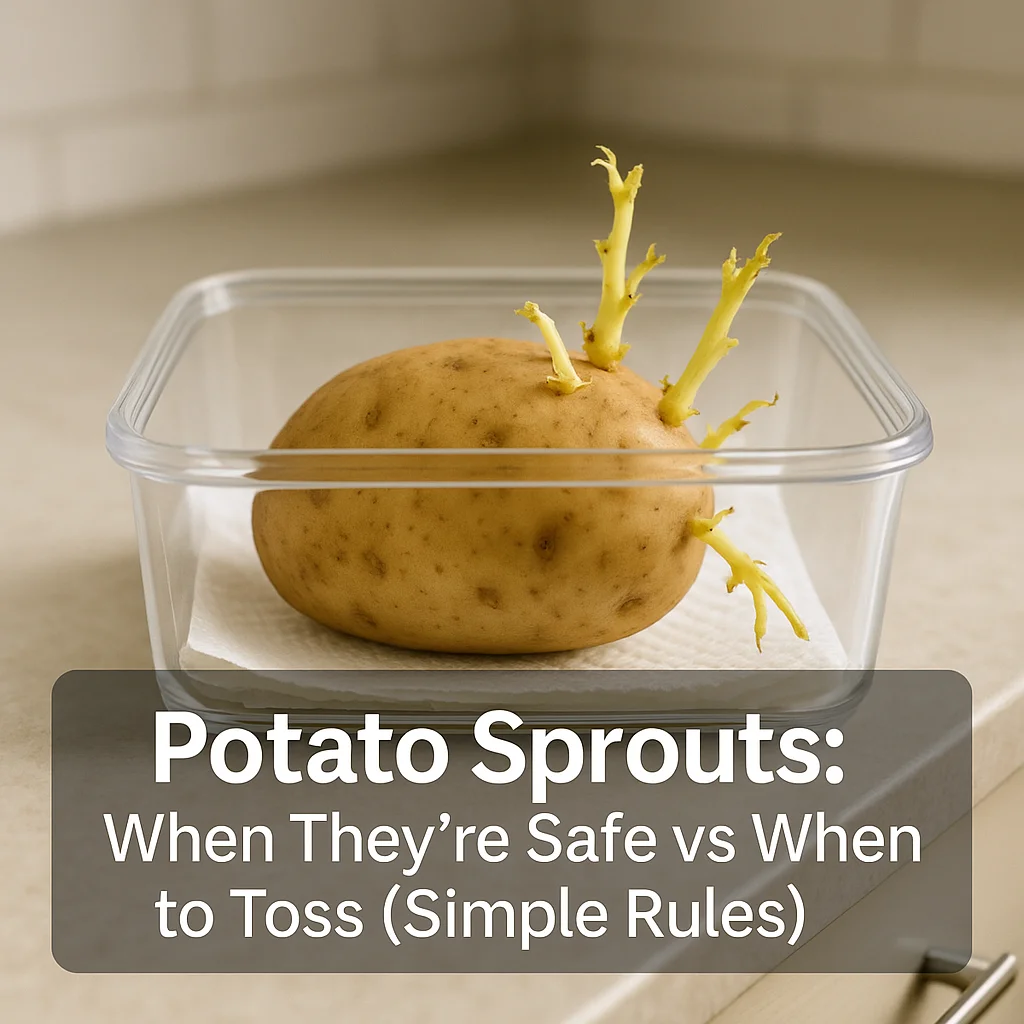
We’ve all been there. You pull a bag of potatoes from the pantry and find them sprouting like crazy. Those soft green tendrils can trigger the feeling of waste and confusion—are they still good to eat or should you toss them? The truth is, those sprouts are nature's way of the potato trying to grow in less-than-ideal conditions. Understanding the difference between safe-to-eat potatoes with sprouts versus those that should be discarded can help you reduce waste, frustration, and keep you eating safe.
Fast Rules: Quick Solving Summary
- Small, firm sprouts can be cut off—potatoes are still safe.
- If the potato is firm otherwise, it’s generally still fine.
- Potatoes with large sprouts, soft spots, or green-tinted skin should be tossed.
- Keep potatoes in a cool, dark, and dry place to reduce sprouting.
- Avoid storing potatoes in the fridge; it turns the starch into sugar.
- Don't wash potatoes before storing; moisture speeds up sprouting.
- Inspect stored potatoes weekly to pinch off any small sprouts.
- If potatoes smell off, they’ve gone bad and should be discarded.
- Little green spots? Cut away, if the rest of the potato is fine.
Buying Checklist: Choose Wisely at the Store
When buying potatoes, you want to pick ones that will last and not encourage quick sprouting. Here's what to do:
- Select firm potatoes without any sprouts or green patches.
- Avoid potatoes with soft spots, wrinkles, or blemishes.
- Go for potatoes stored in a cool, shaded area of the store.
- Avoid bags with condensation—moisture can lead to mold.
The Real Fix: Step-by-Step Storage Solution
The goal is to keep your potatoes fresh, dry, and with minimal exposure to light to prevent sprouting. Follow this detailed guide:
- Find a Dark, Cool Space: Store your potatoes in a cool, dark pantry or cabinet. Light triggers chlorophyll production, turning them green.
- Keep Them Dry: Moisture leads to quicker sprouting and potential rot. A dry environment is crucial.
- Avoid the Fridge: Cold temperatures convert potato starch into sugar, affecting taste and causing them to sprout faster once brought back to room temperature.
- Air Circulation: Use a vented container or a brown paper bag to allow air circulation which helps prevent moisture buildup.
- Weekly Inspection: Check your potatoes weekly for any small sprouts. Pinch them off and discard the sprouts.
- Use a Paper Towel: Place a dry paper towel with your potatoes to absorb excess moisture.
- Avoid Heat Sources: Keep your potatoes away from heat sources like ovens or direct sunlight to slow down sprouting.
- Separate from Ethylene Producers: Don’t store potatoes with ethylene-producing fruits like apples or bananas; they promote sprouting.
If/Then Troubleshooting
- If potatoes are soft → They're likely spoiled. Toss them.
- If sprouting heavily while firm → Cut off sprouts and use soon.
- If green patches appear → Cut away; rest is okay if firm.
- If smell is off → Discard; they’ve gone bad.
- If fridge storage is a must (e.g., hot climate) → Use short-term only, and bring to room temp before use.
15–20 Minute Weekly Prep Routine
- Remove any sprouted eyes with a small paring knife.
- Sort and separate potatoes that need to be used immediately.
- Inspect each potato for cuts, bruises, or soft spots.
- Wipe down storage container/paper bag if needed.
- Place a new paper towel at the bottom of the storage container.
If I Only Had 2 Minutes
- Check for sprouts and remove.
- Quick sort for any obvious bad potatoes.
If your fridge is weird: If it tends to freeze or create too much humidity, consider leaving certain produce out, like potatoes, or adjusting the temperature settings.
Common Mistakes
- Storing in the fridge → Starch conversion to sugar → Avoid; use cool pantry instead.
- Washing before storage → Encourages sprouting and mold → Store dry, wash before use.
- Leaving in plastic bags → Traps moisture and hastens spoilage → Store in vented containers.
- Ignoring sprouts → Potential toxic solanine formation → Check weekly, remove sprouts.
- Eating green parts → Can be toxic → Always cut away green areas.
- Near apples and bananas → Exposure to ethylene gas → Store separately to avoid sprouting.
- In high humidity → Increases spoilage risk → Use dry storage with minimal humidity.
- Storing near light → Causes greening → Use dark storage spaces.
- Ignoring the smell test → Bad potatoes can linger → Always trust your nose.
- Not separating damaged potatoes → Speeds general spoilage → Separate and use or discard damaged ones.
Food Safety Notes
- Wash potatoes only right before cooking to prevent extra moisture during storage.
- Always remove all sprouts and any green portions before cooking.
- If a potato feels soft or smells bad, it should be discarded to avoid risk.
Quick Table Reference
| Produce | Best Storage | What to Avoid | Typical Problem | Quick Fix |
|---|---|---|---|---|
| Potatoes | Cool, Dark, Dry Place | Fridge, Plastic Bags | Sprouting, Greening | Trim Sprouts, Move to Dark |
FAQ: Potato Sprouts Safety and Use
- Can you eat potatoes with sprouts? Yes, if they’re small and the potato is firm, just remove them.
- Are green potatoes safe? No, if the potato has green patches, cut them away before use.
- Why do potatoes sprout? Warmth and light accelerate sprouting, so store appropriately.
- Do all potato types sprout the same? Most do, but smaller types, like fingerlings, may sprout faster.
- How to prevent sprouting? Store in a cool, dark place and separate from ethylene producers.
- What temperature is best for storage? Around 45-50°F to maintain freshness without sprouting.
- Is it safe if potatoes are slightly soft? Usually yes, if not discolored or smelly. Use them soon.
- What’s solanine? It’s a natural toxin produced in green or sprouting potatoes.
- Does cooking remove solanine? It reduces but doesn’t eliminate it, so always remove green parts.
- How long do potatoes keep without sprouting? Under optimal conditions, up to a few months.
Closing
- Store potatoes in a cool, dark, dry place to maximize their shelf life.
- Regularly check and remove sprouts to maintain edible quality.
- Avoid the fridge unless it’s an absolute necessity for short-term storage.
By following these simple steps, you can keep your potatoes sprout-free and safe to consume, reducing waste and frustration in the kitchen. For more tips and guides on handling your favorite fruits and vegetables, make sure to explore our comprehensive articles at FruitVegGuide.
Check out more detailed problem-solving techniques in our comparisons and substitutions post.