Fruit Flies in the Kitchen: Prevention Tips That Actually Work
Hook: The Frustration of Fruit Flies
We've all been there: you bring home fresh produce, and within days, you're swarmed by tiny fruit flies. These pests are more than a nuisance; they're an indication of overlooked storage and cleaning practices. Fruit flies thrive in ripe or decaying produce, which can quickly turn into breeding grounds if not properly managed.
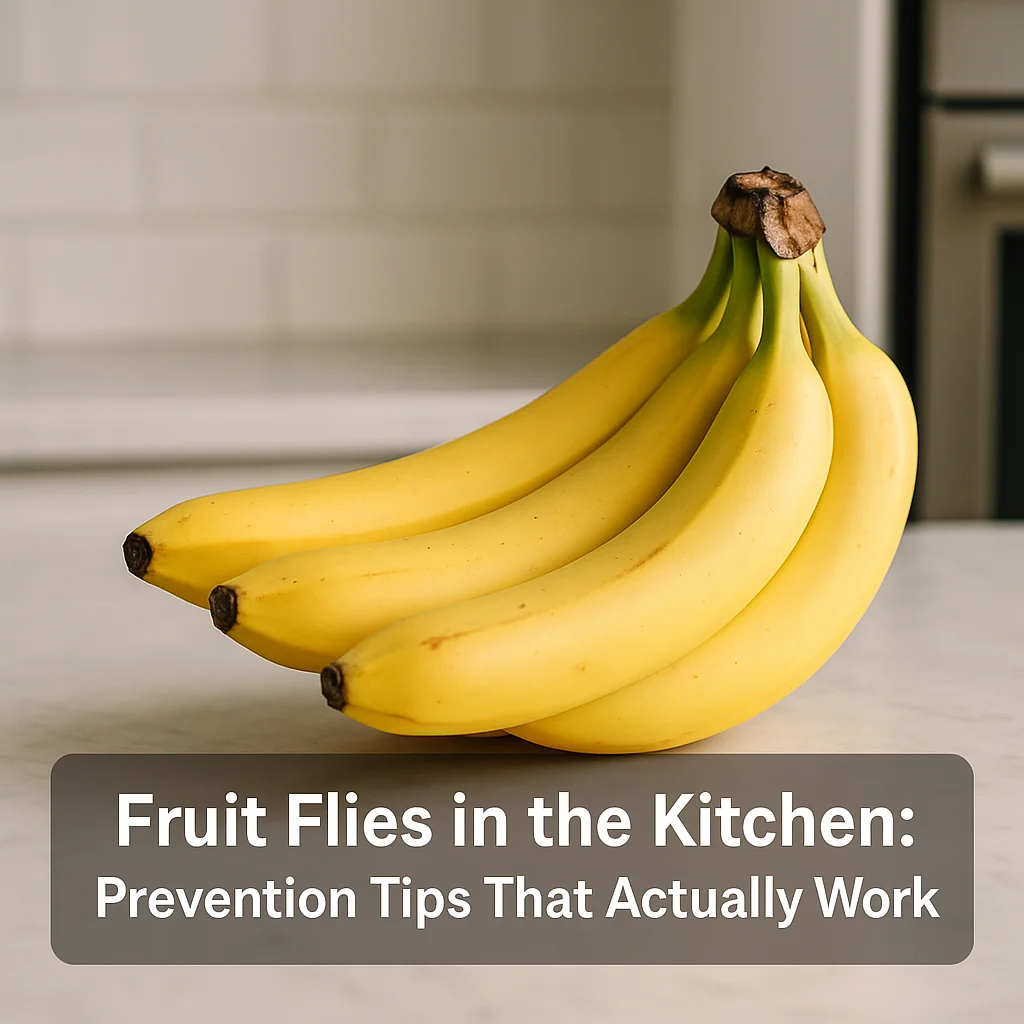
Fast Rules to Keep Fruit Flies at Bay
- Store ripe fruits in the refrigerator to slow decay.
- Immediately discard overripe or damaged produce.
- Regularly clean counters and fruit bowls.
- Use an airtight container for fruit that's cut but not yet finished.
- Take out kitchen trash daily to avoid fruit fly attraction.
- Close windows and use screens to prevent fly entry.
- Set out apple cider vinegar traps for existing flies.
- Seal compost or waste bins tightly.
- Inspect produce at the store to avoid bringing home infested items.
- Keep dish sponges and rags dry; dampness attracts flies.
Buying Checklist: Spot the Safest Produce in the Store
When purchasing fresh fruits and vegetables, it's crucial to select items that are less likely to introduce fruit flies into your home.
- Choose unbruised, firm fruits and vegetables.
- Avoid bags with condensation, which suggests incorrect storage.
- Opt for produce without cuts or tears in the skin.
- Verify the absence of any small, dark spots (potential fly eggs).
The Real Fix: Step-by-Step Solution
A complete solution to preventing fruit flies focuses on cleanliness and strategic storage.
- Refrigerate ripe fruits: Storing ripe fruits in the fridge slows down aging and fermentation, which fruit flies are attracted to.
- Inspect before stocking: Always check produce items in-store and at home to ensure they are free from flies or damage.
- Use airtight storage for leftovers: When you've cut or half-eaten a piece of fruit, containerize it in the fridge to avoid exposure to flies.
- Seal trash tightly: Use a trash can that closes completely and take out trash daily to eliminate potential breeding sites.
- Immediately wipe spills on counters: Sugary or juicy spills become fly magnets if not cleaned promptly.
- Install window screens: Prevent fruit flies from entering by using fine-mesh screens over windows.
- Set traps if needed: A simple vinegar trap (a dish with vinegar covered in plastic wrap with a hole) can catch existing flies.
- Rinse and dry dish cloths daily: Moist environments like damp cloths are breeding ground havens.
- Organize the fridge drawer: Use vented compartments to allow airflow around produce and prevent rapid ripening.
- Keep garbage collection clean: Wash and disinfect trash cans monthly to prevent fly attraction.
If fruit flies persist:
- Clean kitchen drains with a baking soda and vinegar mixture.
- Increase the frequency of trash bin cleaning.
- Check behind appliances for unnoticed spills.
- Re-evaluate the position of fruit bowls; locate to cooler spots.
- Inspect frequently for any ripening fruits.
15–20 Minute Weekly Prep Routine
- Inspect and lightly rinse all fresh produce. Dry thoroughly to prevent mold.
- Sort and store each type of fruit properly, using the listed rules.
- Wipe down counter surfaces before setting out clean fruits.
- Check pantry and storage areas for forgotten overripe items.
- Refresh your vinegar traps if needed, then clean sinks and drains.
- If I only had 2 minutes: Toss old produce, refrigerate ripe fruits, quickly wipe the counter.
- If your fridge is weird: Use vented containers if too humid; add moisture-absorbing packets if too dry.
Common Mistakes and Their Fixes
- Leaving ripe fruit out: Results in flies → Store in the fridge.
- Using dirty traps: Ineffectual → Clean and reset traps weekly.
- Storing fruit in sunlight: Speedy ripening → Keep in shaded areas.
- Ignoring condensation: Leads to mold growth → Dry the produce before storing.
- Overbuying at the store: Increased waste → Plan weekly menus.
- Putting damaged fruit together: Quick spoilage spread → Separate and store damaged separately.
- Solution soaking: Flies attracted to ripening rooms → Rinse and replace solution items.
Food Safety Notes
- Wash produce just before using to avoid premature spoilage.
- If a fruit piece is entirely soft or moldy, discard immediately.
- If unsure about a fly inspection, err on the side of caution and toss potentially compromised items.
Quick Table
| Produce | Best Storage | What to Avoid | Typical Problem | Quick Fix |
|---|---|---|---|---|
| Apples | Refrigerated in crisper | Room temp for long periods | Browning and softening | Keep in fridge, vented drawer |
| Bananas | Counter until fully ripe | Fridge when unripe | Blackened on outside | Use a banana hanger |
| Tomatoes | Room temp until ripe | Fridge when unripe | Flavor loss if chilled | Allow full ripening first |
FAQ
- What attracts fruit flies? Ripe or fermenting fruits and vegetables sing to flies.
- Can fruit flies harm my health? While annoying, they are more a nuisance than a health threat.
- When should I toss infested fruit? At the first sight of penetrative damage or spotting, toss it.
- Do they breed only on fruit? No, damp areas or small standing water can also serve as breeding grounds.
- Can vinegar traps eliminate them immediately? They capture existing flies but prevention is key for reduction.
- How do I clean effectively? Regular vegetable storage area and trash can cleansing stops fly attraction.
- Why is trash essential to this? Decaying food waste can harbor fly larvae.
- What if they persist? Thoroughly clean more often and consider professional advice.
Closing Thoughts
- Store ripe produce in proper conditions to both enhance safety and prevent flies.
- Take action at the first sign of a fly problem to swiftly intervene.
- Regular checking and cleaning of storage areas keep your kitchen fly-free.
Don't let fruit flies win! With these simple strategies, you can keep your kitchen clean, your produce fresh, and your wastage to a minimum.
Explore more on keeping your kitchen troubles at bay at our comprehensive article list. For deeper exploration, visit the comparisons and substitutions guide.