Frozen vs Fresh Fruit: Nutrition, Texture, and Best Uses
Frustration with Fruit: Why You’re Tossing More Than You Eat
We've all been there: reaching into the fridge for fresh strawberries only to discover they're mushy or moldy. It’s frustrating—and wasteful. Many don't realize that improper storage and buying habits are often the main culprits, leading to spoiled fruit and dashed hopes.
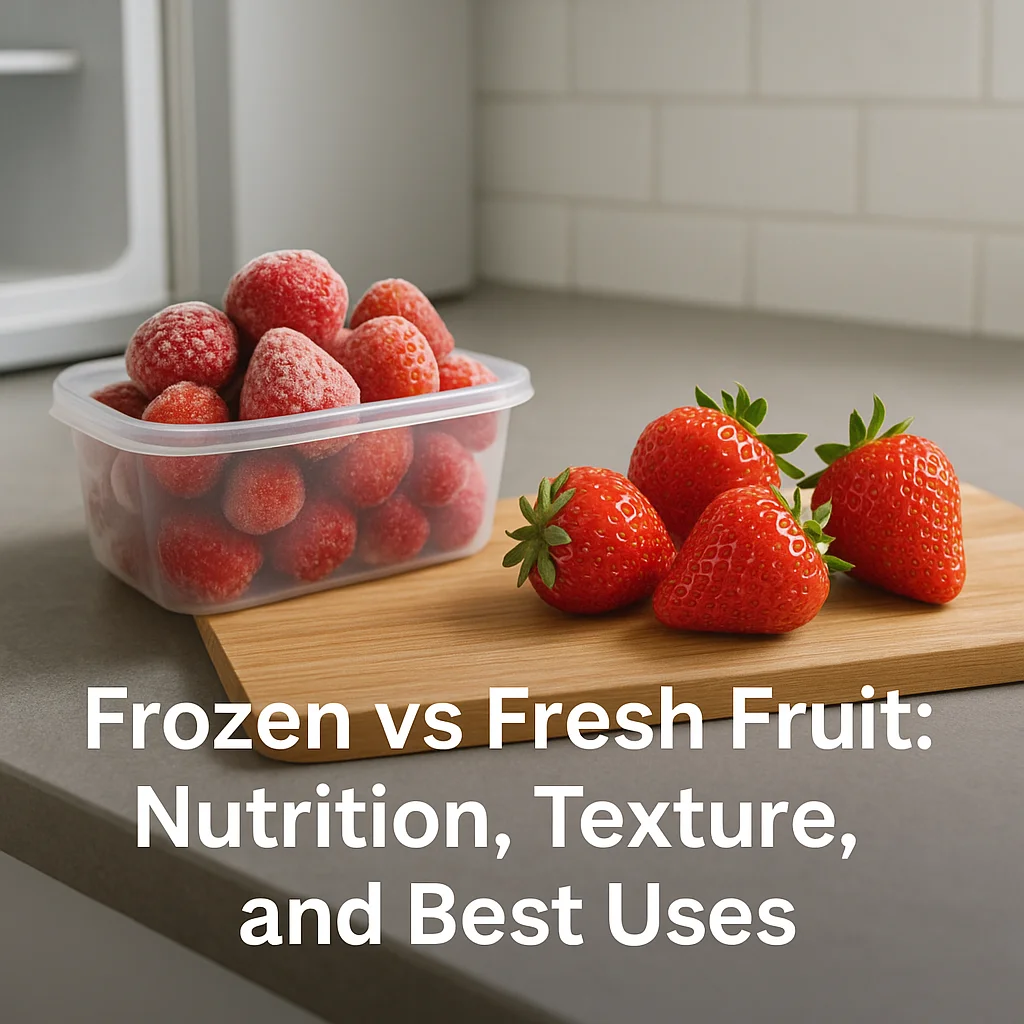
Fast Rules for Perfect Fruit
- Store ripe fruit in the fridge to slow ripening.
- Keep ethylene-sensitive and ethylene-producing fruits apart.
- Use airtight containers for cut fruit to minimize oxidation.
- Set your fridge temperature to 37-40°F for optimal freshness.
- Don't wash fruits until you're ready to eat them; moisture accelerates spoilage.
- Avoid stacking; keep fruits single-layered when possible.
- Don't mix fresh-cut fruit with whole fruit in storage containers.
Buying Checklist: Picking the Best and Avoiding Trouble
Whether you're in the frozen section or the fresh aisles, knowing how to select the best fruit is key. Here's what to look for and avoid:
- Fresh Fruit: Choose fruit that feels firm with vibrant color. Avoid overly soft spots and browning.
- Frozen Fruit: Ensure the packaging is intact with no ice crystals inside the bag, which indicate refreezing.
- Check for uniformity in size for even ripening or cooking.
- Avoid buying fruits that are overripe unless you're using them immediately.
The Real Fix: Step-by-Step Solution
Your goal: Preserve nutrition and texture while reducing waste.
- Separate Ethylene Producers: Store apples and bananas away from other fruits. Ethylene gas speeds up ripening.
- Inspect Containers: Use vented containers for berries to avoid condensation, which causes mold.
- Utilize Paper Towels: Line the bottom of storage containers with paper towels. This absorbs excess moisture.
- Check Fridge Spots: Place fruits at the top shelf of the fridge where the temperature is stable.
- Airtight for Cut Fruits: Store cut fruits like melon in airtight containers to prevent dehydration and browning.
- Handle Frozen Fruit Gently: Allow frozen fruit to thaw in the fridge to preserve their structure and limit temperature swings.
- Monitor Ripeness: Store unripe fruits on the counter until they achieve desired ripeness, then refrigerate.
- Use Produce Drawers: Set to 'low humidity' for fruits; this limits moisture exposure slowing down spoilage.
- Observe Texture and Smell: While handling, check for sliminess or off-odors, indicating spoilage.
- Plan Ahead: Only buy what you'll consume within a week to avoid waste.
- If refrigerated berries appear soft → eat or freeze immediately to prevent spoilage.
- If bananas start browning fast → move them to the fridge to slow ripening, despite skin discoloration.
- If fruits mix in aroma, an airtight container can prevent cross-flavor interactions.
- If condensation forms inside containers → dry off the fruit before storing again.
15–20 Minute Weekly Prep Routine
- Gather: Lay out paper towels, containers, and fruits.
- Sort: Sort and remove any spoiled pieces immediately.
- Rinse: For firmer fruits, rinse only enough for immediate use, then dry completely.
- Cut: Slice larger fruits according to planned weekly consumption.
- Pack: Store portions in labeled containers for easy access and reduced waste.
If I only had 2 minutes:
- Quickly check for any signs of spoilage.
- Transfer those likely to spoil to the fridge.
- Lay a layer of paper towels in the fruit drawer.
If your fridge is weird:
For fridges that are too dry, consider storing produce in a slightly damp paper towel and increase the frequency of checks. A humid fridge may require more ventilation for containers.
Common Mistakes and How to Avoid Them
- Storing uncut fruits in airtight containers: Causes moisture build-up and mold → Use vented containers.
- Refrigerating unripe bananas: Leads to poor flavor and texture → Ripen on the counter first.
- Washing before storing: Increases spoilage risk from moisture → Only wash right before use.
- Ignoring the fridge settings: Too warm risks spoilage, too cold risks freezing → Set temperature to 37-40°F.
- Overstacking: Causes bruising and quick deterioration → Store in single layers or lightly packed.
- Not monitoring the ripening: Missing the prime ripeness window → Check daily.
Food Safety Notes
Always wash fruits right before you eat them to avoid increase in bacteria from lingering moisture. Dispose of fruits with evident rot, mold, or off-odors. Safety first!
Quick Storage Table
| Produce | Best Storage | What to Avoid | Typical Problem | Quick Fix |
|---|---|---|---|---|
| Berries | Vented container in fridge | Tight, sealed containers | Mold | Use vented containers |
| Bananas | On counter, then fridge | Refrigerating when green | Over-ripening | Store in fridge after ripening |
| Apples | Crisper drawer in low humidity | Near ethylene producers | Soft spots | Separate from bananas |
| Melons (cut) | Airtight container in fridge | No barrier between cuts | Dehydration | Cover cut surfaces |
FAQ: Frozen vs Fresh Fruit
- Is frozen fruit as healthy as fresh? Yes, it's generally comparable; nutrients are preserved at peak ripeness.
- Do fruits lose vitamins when frozen? Minimal loss occurs, mainly in water-soluble vitamins.
- Can I refreeze thawed fruit? It's not recommended; it impacts texture and possibly taste.
- Why do fruits taste different after freezing? Freezing affects cell structure, impacting texture and flavor.
- How long can I keep frozen fruit? Typically, up to a year, but check for freezer burn signs.
- What fruits freeze best? Berries, cherries, and bananas freeze well due to minimal water loss.
- Can frozen fruits be used raw? Yes, especially in smoothies; otherwise, thaw for texture-sensitive uses.
- When does fresh fruit go bad? Rot, off odors, and excessive softness indicate spoilage.
Closing Tips for Cost Savings
- Keep fruits separately depending on their ethylene production to prolong shelf life.
- Buy only what you can consume in a week to reduce waste from over-purchasing.
- Track ripening and adjust storage locations accordingly for better freshness.
Understanding these storage tips can help you enjoy fruit at its best, avoid waste, and save money. Remember, a little attention to detail can turn your fruit experience from frustrating to delightful!
For more guides and tips, visit our complete guide list or check out our comparison resources for more help.