🍓 Santol: Season, Storage, Nutrition, and Cooking Guide
Known for its unique flavor and versatility, the santol fruit is a lesser-known tropical gem. This comprehensive guide delves into the enchanting world of santol, offering details about its characteristics, benefits, origins, and various ways you can enjoy this delightful fruit. Discover how to select the finest santols, store them properly, and incorporate them into delicious culinary creations.
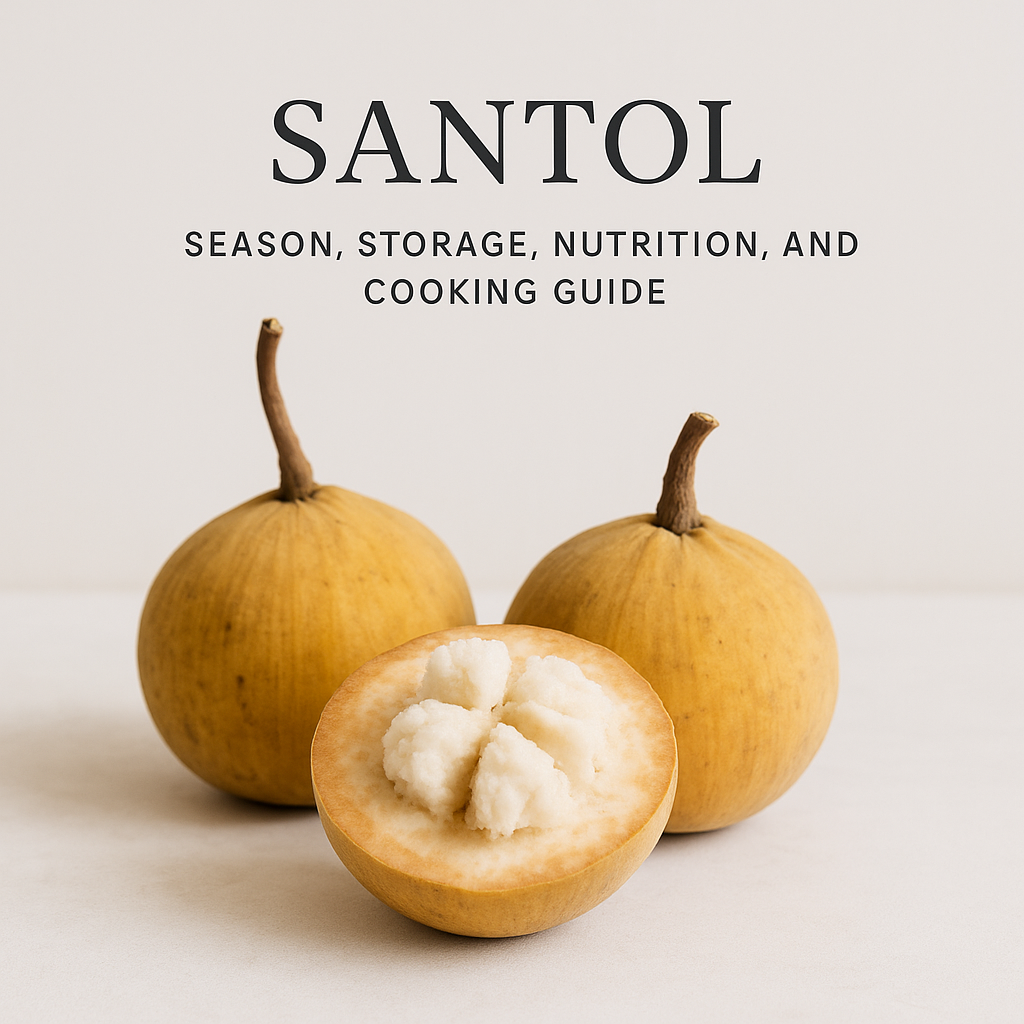
✨ Characteristics
Santol, scientifically known as Sandoricum koetjape, is a tropical fruit native to Southeast Asia. It's a round fruit with a thick, inedible rind that ranges from pale yellow to golden when ripe. The inner flesh is white, luscious, and juicy, surrounding a cluster of hard seeds. Depending on the variety, the taste can range from sweet and mildly tart to slightly sour, often compared to the flavors of a peach or apple.
💪 Benefits
Santol is not only delicious but also packed with nutrients. Here are some of the key benefits:
- Vitamins and Minerals: Rich in vitamin C, santol helps bolster the immune system. It also contains calcium, phosphorus, and iron, vital for maintaining healthy bones and blood.
- Antioxidants: Their antioxidant properties help combat oxidative stress, supporting overall cellular health.
- Fiber Content: The fruit is high in dietary fiber, promoting healthy digestion and regularity.
- Low Calorie: Santols are low in calories, making them a great addition to weight-conscious diets.
🌍 Origin
Santol originally hails from Southeast Asia, flourishing mainly in countries such as Thailand, the Philippines, and Indonesia. Over time, it has spread to other tropical regions, including some parts of India and Central America. The fruit grows on medium-sized trees that thrive in humid and warm climates. The adaptability of santol trees has aided their cultivation in a variety of tropical environments.
📅 Harvest Season
The harvest season for santol typically extends from May to September, depending on the region. In areas like the Philippines, the fruit is most bountiful during the summer months. Its availability might extend slightly beyond these months, but it is during this period that santols are at peak quality in terms of flavor and texture.
🧺 Varieties
There are two main varieties of santol, distinguished by the color of their skin and subtle flavor differences:
- Yellow Santol: This variety has a sweet, almost candy-like taste when fully ripe. The skin is a pale, sunlit yellow.
- Red Santol: Known for being slightly tangier, the red variety has a pinkish-red skin and a more pronounced, tangy flavor profile.
🛒 How to Choose (Checklist)
Use this checklist to select the best santols when shopping:
- Look for fruits with smooth, unblemished skin, free from cuts or bruises.
- A ripe santol should give slightly when gently squeezed but remain firm.
- Avoid fruits with wrinkled or overly dry skin, as these may be overripe or old.
🍽 Cooking & Eating Methods
Santol can be enjoyed in various ways:
- Fresh: Simply peel the outer skin and enjoy the fresh flesh as a raw snack. Avoid eating the seeds.
- Pies and Tarts: Its sweet-tart flavor complements desserts, particularly pies and tarts.
- Preserves and Jams: The fruit can be made into luscious jams, preserving its unique taste year-round.
- Savory Dishes: In some regions, santol is used in savory dishes or as a component in spicy, tangy sauces.
❄ Storage Tips
Proper storage ensures that santols retain their flavor and freshness:
- Room Temperature: Unripe santols should be kept at room temperature until they ripen.
- Refrigeration: Once ripe, store them in the refrigerator to extend their shelf life, typically lasting up to two weeks.
- Frozen: Although less common, santol flesh can be frozen for long-term preservation after removing the seeds.
❓ FAQ
Can I eat the seeds of the santol fruit?
No, the seeds of the santol fruit are hard and inedible. While the flesh is delicious and juicy, the seeds should be discarded.
How do I know when a santol is ripe?
A ripe santol will have a fragrant aroma and will yield slightly under gentle pressure. The skin will also appear smooth and evenly colored, depending on the variety.
Is santol available all year round?
Santol is primarily a seasonal fruit, with availability peaking between May and September. While it might be found outside this period, the quality could vary.