🍓 Orange: Season, Storage, Nutrition, and Cooking Guide
Oranges are much more than just a popular fruit; they are a rich source of vitamins and a staple in many diets around the world. In this guide, we explore the wonderful world of oranges, detailing their characteristics, nutritional benefits, origins, and the best ways to store and enjoy them.
✨ Characteristics
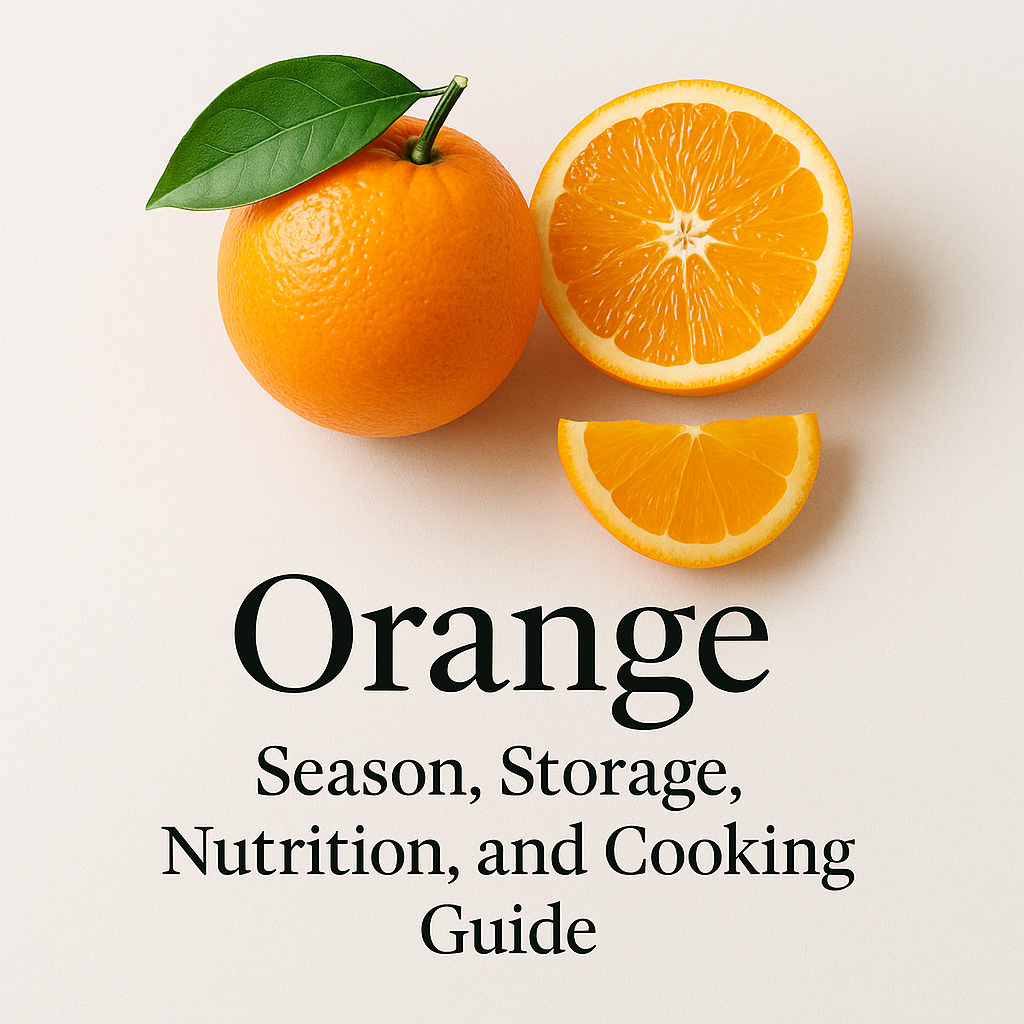
Oranges, known scientifically as Citrus × sinensis, are part of the Rutaceae family and are hybrid fruits primarily between pomelo (Citrus maxima) and mandarin (Citrus reticulata). Characterized by their bright orange peel and sweet-tart juice, oranges are a staple in global fruit bowls. Their easily segmentable structure makes them a convenient choice for snacking, while the fragrance of their zest and peel imbues both culinary and home environments with a refreshing essence.
💪 Benefits
The health benefits of oranges are numerous. High in vitamin C, they help to support the immune system and are known for their antioxidant properties. Oranges also provide fiber, which is essential for good digestive health, and contain a variety of other important nutrients, including folate and potassium. Additionally, the presence of flavonoids adds to their health-boosting effects, helping reduce inflammation and promoting heart health.
🌍 Origin
Oranges are believed to have originated in Southeast Asia, with early cultivation dating back thousands of years. They have been treasured by different cultures throughout history, spreading along trade routes to India and the Mediterranean. Today, oranges are cultivated in subtropical and tropical regions around the globe, with top producers including Brazil, the United States, China, and India.
📅 Harvest Season
Oranges are generally considered a winter fruit, with the peak harvesting season spanning from November to April. However, the actual timing can vary based on the variety and the region in which they are grown. For instance, navel oranges are often available from November through June, while Valencia oranges may be harvested from March to early October. By understanding the seasonality of oranges, consumers can enjoy the freshest and most flavorful fruits.
🧺 Varieties
There are several varieties of oranges, each with distinct characteristics:
- Navel Orange: Known for the small secondary fruit at the apex, navel oranges are sweet and perfect for eating fresh.
- Valencia Orange: Juicy and flavorful, this variety is preferred for juicing and is available later in the orange season.
- Blood Orange: Recognizable by their vibrant red flesh, blood oranges have a unique flavor that combines sweet and tart with raspberry-like undertones.
- Mandarins: Often mistaken for other citrus fruits, mandarins are smaller, with a looser skin, and include varieties like clementines and tangerines.
🛒 How to Choose (Checklist)
- Look for oranges that feel firm and heavy for their size.
- The skin should be bright and vibrant, with minimal blemishes.
- Avoid oranges with soft spots or wrinkles, as they may be overripe.
- Choose fruit that gives off a sweet and fresh citrus smell.
🍽 Cooking & Eating Methods
Oranges can be enjoyed in a myriad of ways. Fresh eating is one of the simplest methods—just peel and segment them to enjoy their natural flavor. For a refreshing beverage, fresh orange juice is unparalleled in taste. Oranges are also a great addition to various dishes, such as salads, where they add sweetness and a tangy contrast. The zest can be used in baking to add fragrance, or in savory dishes for a citrusy lift. Additionally, oranges are a popular ingredient in sauces, marinades, and desserts, offering versatility and a natural sweetness to many recipes.
❄ Storage Tips
Proper storage is essential to maximize the shelf life of oranges. At room temperature, they can last for about a week, but to extend their freshness, it is advisable to refrigerate them. When storing oranges in the refrigerator, place them in the crisper drawer for optimal results. Avoid washing them before storage, as moisture can lead to spoilage. For those who wish to extend their oranges' shelf life even further, consider freezing orange slices or juice.
❓ FAQ (3 questions)
- How should I store cut oranges?
Once cut, oranges should be stored in an airtight container in the refrigerator and consumed within a few days to maintain freshness.
- Are oranges available year-round?
While peak season is in the winter months, different varieties allow for oranges to be available throughout much of the year.
- What is the difference between acidic and sweet oranges?
The taste profile of an orange can vary based on its variety and ripeness—some are sweeter while others may have a more pronounced tang due to higher acidity levels.