🍓 Nectarine: Season, Storage, Nutrition, and Cooking Guide
Nectarines are delightful stone fruits that offer an aromatic sweetness and a plethora of culinary opportunities. They belong to the Rosaceae family and are celebrated for their smooth skin, juicy flesh, and vibrant nutritional profile. This guide delves into the intricate world of nectarines, revealing their characteristics, benefits, and gastronomic allure.
✨ Characteristics
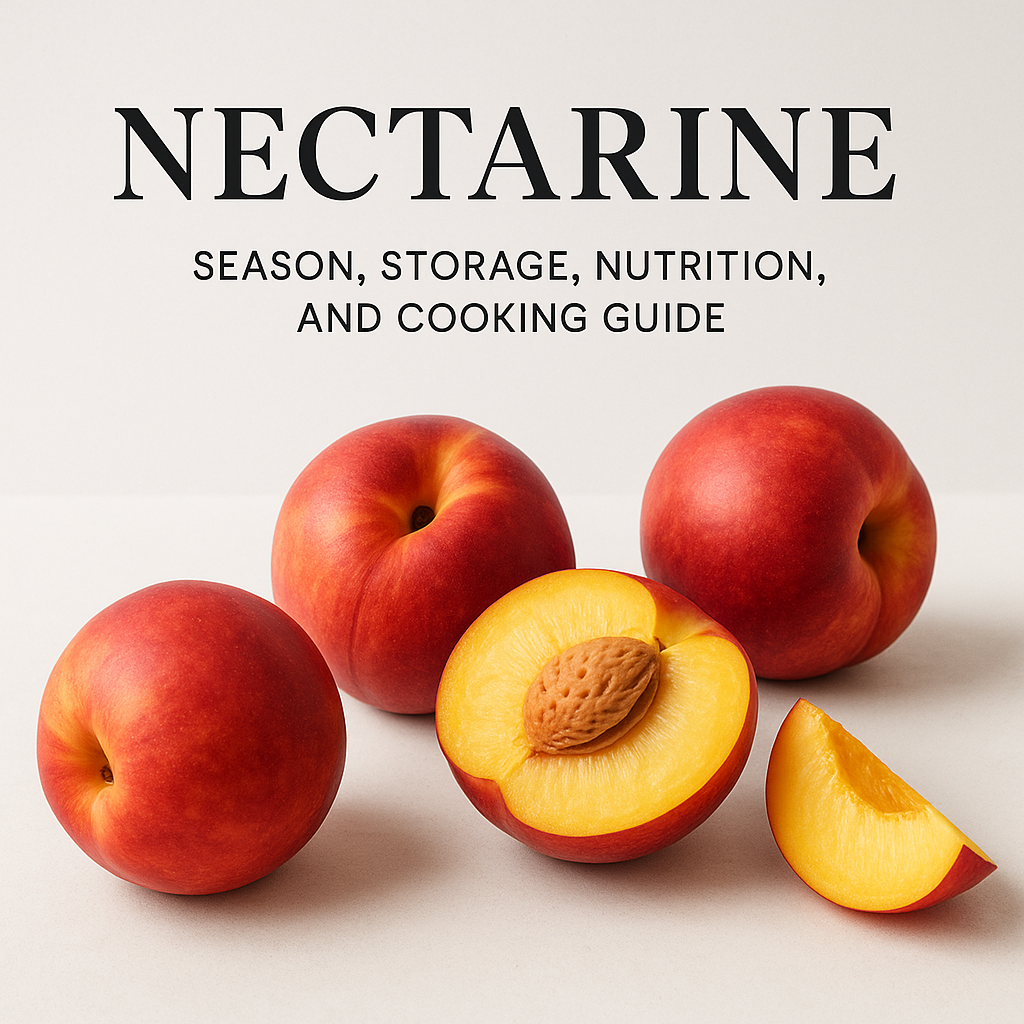
Nectarines are closely related to peaches but can be distinguished by their smooth, fuzz-free skin. Ranging from yellow to reddish hues, they captivate with their bright, sweet flavors and slight tartness. These round fruits typically measure 1-3 inches in diameter and may exhibit either a freestone or clingstone pit, which can affect ease of preparation when cooking or eating.
💪 Benefits
Rich in vitamins, antioxidants, and fiber, nectarines are a nutritious addition to any diet. They contain significant amounts of Vitamin C, contributing to immune health, as well as Vitamin A and beta-carotene for vision and skin health. The antioxidants in nectarines help combat oxidative stress, while the fiber supports digestive health.
🌍 Origin
Nectarines are believed to have originated in China over 2,000 years ago, sharing their ancestry with peaches. Their cultivation spread across the globe, finding a home in warm and temperate regions. Today, they are predominantly grown in the United States, Spain, Italy, and Greece.
📅 Harvest Season
Nectarine season typically extends from late spring to the end of summer. In the United States, they are generally harvested starting in May through September, with peak availability in July and August. This seasonal framework is essential for appreciating the freshest and most flavorful nectarines.
🧺 Varieties
Nectarines come in several varieties, each offering unique flavors and textures:
- Yellow Nectarines: Known for their tart-sweet taste and vibrant orange flesh.
- White Nectarines: Sweeter and less acidic than their yellow counterparts, with a delicate, floral aroma.
- Donut Nectarines: Named for their flattened shape, they combine sweetness with a hint of almond-like flavor.
🛒 How to Choose (Checklist)
- Color: Look for nectarines with rich, even coloring. Avoid those with green undertones as they are likely underripe.
- Aroma: Ripe nectarines should emit a fragrant, sweet aroma.
- Texture: A gentle press should yield slightly but indicate firmness, avoiding any fruit with shriveled skin or soft spots.
🍽 Cooking & Eating Methods
Nectarines are incredibly versatile and can be enjoyed in numerous ways. Here are some popular methods:
- Fresh and Raw: Simply wash and eat fresh out of hand for a refreshing snack.
- Grilled: Enhance their natural sweetness by grilling. Perfect for desserts or as a salad topping.
- Baked: Incorporate them in pies, cobblers, or crisps for a sweet treat.
- Preserves and Jams: Extend their shelf life and enjoy them year-round by making nectarines into jams or preserves.
- Salads and Salsas: Add them to salads or make a sweet and savory salsa to complement proteins.
❄ Storage Tips
Proper storage of nectarines is essential to preserve their quality and flavor:
- Counter Storage: If they are not yet ripe, leave them at room temperature until they yield slightly to pressure.
- Refrigeration: Once ripe, store nectarines in the refrigerator to slow down the ripening process. Use within a week for best results.
- Freezing: For long-term storage, slice nectarines and remove the pit. Lay slices in a single layer on a baking sheet to freeze, then transfer to an airtight container.
❓ FAQ
- Can you eat the skin of nectarines?
Yes, nectarine skin is edible and contains beneficial nutrients. Be sure to wash them thoroughly before eating. - What is the difference between a nectarine and a peach?
The most noticeable difference is the skin; nectarines have smooth skin, while peaches are fuzzy. They taste similar, although some people find nectarines to be slightly firmer and more aromatic. - How do you ripen nectarines quickly?
Place them in a paper bag at room temperature. Adding a ripe banana or apple can speed up the ripening process.