🍓 Nance: Season, Storage, Nutrition, and Cooking Guide
Nance, a lesser-known fruit with intriguing characteristics, offers a unique flavor profile and nutritional benefits that deserve a place in your pantry. Native to tropical regions, this small, yellow fruit is cherished in various cuisines around the world. In this guide, we will explore the characteristics, benefits, origin, and methods of preparing and storing nance fruit, ensuring it fulfills its potential in your kitchen.
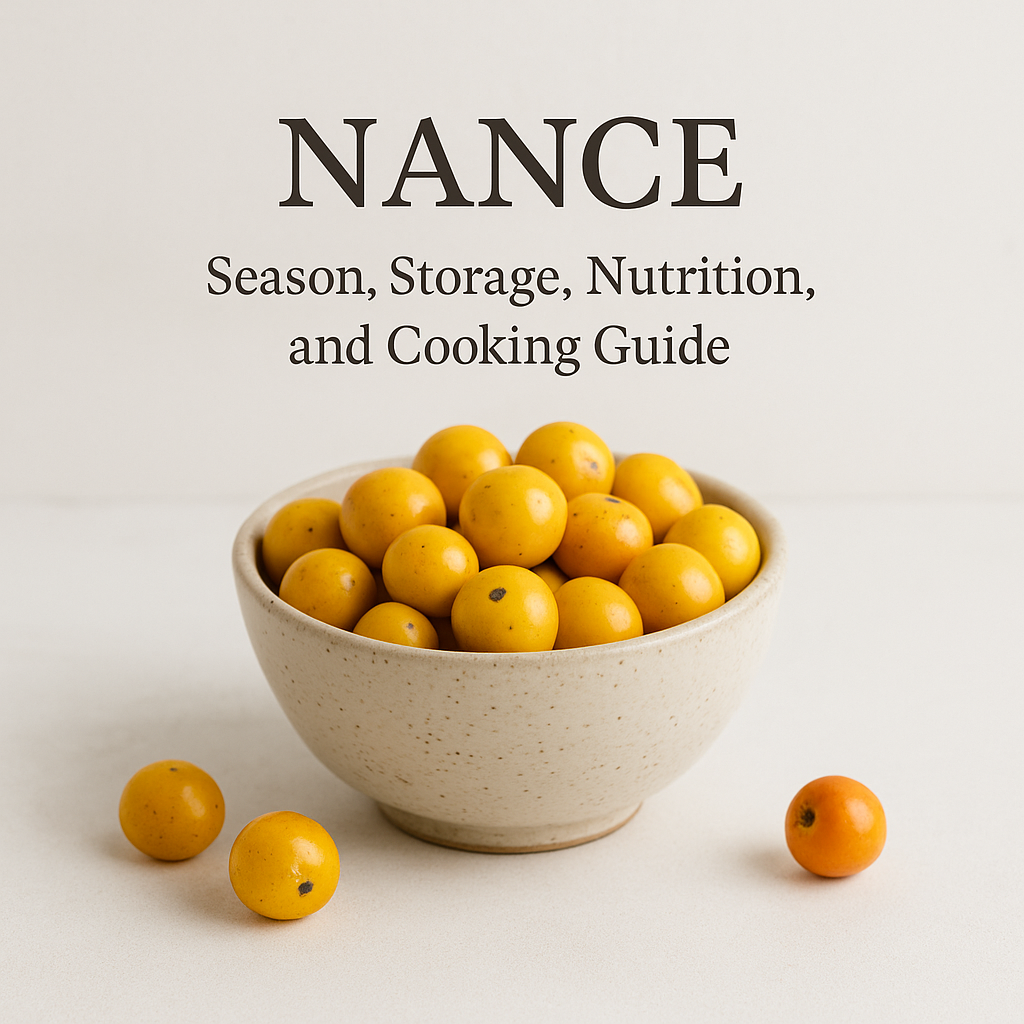
✨ Characteristics
Nance (Byrsonima crassifolia) is a tropical fruit noted for its small, round shape and bright yellow to orangish color. Typically about the size of a cherry, nance fruit is known for its distinctive aroma and tart flavor. The flesh is soft with a texture that can be either juicy or slightly dry, surrounding a large pit in the center. Its flavor is often described as a combination of sweet and tart, reminiscent of a unique blend of tropical fruits.
💪 Benefits
Nance fruit holds numerous benefits, primarily due to its dense nutrient profile. It is a source of vitamins, particularly vitamin C, which is essential for immune function and skin health. Additionally, nance contains carotenoids like beta-carotene, which are crucial for maintaining healthy vision and supporting the body's antioxidant defense system. The fruit's fiber content also aids in digestion, promoting regular bowel movements and improving gut health.
🌍 Origin
The nance fruit is native to the tropical regions of the Americas, particularly found in Central and South American countries such as Mexico, Venezuela, and Peru. It thrives in hot climates with well-drained soils and can often be found growing in the wild, as well as cultivated in orchards. The tree's resilience to varying environmental conditions makes it a suitable crop in regions where other fruits might struggle to grow.
📅 Harvest Season
Nance is a seasonal fruit, primarily harvested during the late summer and early fall months, typically from August to November. The fruit's availability during these months makes it a staple in local markets and presents an excellent opportunity for the consumption of fresh, ripe nances at their peak flavor. However, in some regions, particularly those with microclimates conducive to extended growth, nances can also be available beyond this primary season.
🧺 Varieties
Several nance varieties exist, differing mostly in size, color, and flavor intensity. The most common type is the yellow nance, characterized by its sweet-tart taste and vibrant color. Some variations include the orange-red nance, which possesses a slightly sweeter profile, and smaller varieties that may appeal due to their concentrated flavors and aromatic qualities. These varieties often cater to different culinary uses, making selection based on intended preparation crucial for optimal taste experiences.
🛒 How to Choose (Checklist)
Selecting the best nances involves attentive consideration of several factors. Follow this checklist to ensure top-quality fruit:
- Color: Look for bright yellow or orange skins without green patches, indicating ripeness.
- Texture: Choose firm fruits that yield slightly when pressed, avoiding overly soft or mushy ones.
- Aroma: A ripe nance should have a fragrant, fruity smell; absence of scent may suggest underripeness.
- Appearance: Avoid fruits with blemishes or signs of mold, as these can affect taste and quality.
🍽 Cooking & Eating Methods
Nance is a versatile fruit that can be enjoyed in various ways, both raw and cooked. It is commonly eaten fresh, straight from the hand as a simple and refreshing snack. Additionally, nance can be used in salads, adding a burst of sweet-tart flavor when paired with greens and other fruits.
In cuisines where nance is prevalent, it is often found in jellies, juices, and desserts. Its unique taste complements other tropical flavors, making it a popular choice in smoothies and ice creams. Additionally, nance is sometimes fermented to produce alcoholic beverages, such as wines and liqueurs, particularly in regions like Central America where traditional recipes incorporate local ingredients.
❄ Storage Tips
Properly storing nance ensures it remains fresh and maintains its vibrant flavor. When stored at room temperature, ripe nances should be consumed within a few days to prevent spoilage. For extended storage, refrigeration is advisable. Place the nances in an airtight container or a perforated plastic bag in the fridge's fruit crisper drawer; they can last for up to a week when stored this way.
Nance also freezes well, making it possible to preserve excess fruit for future use. Simply wash and dry the fruit thoroughly, then spread in a single layer on a baking sheet and freeze until solid. Transfer frozen nances to a freezer-safe bag or container, where they can be stored for several months. Frozen nances are excellent for use in smoothies or cooking, although the texture may change slightly after thawing.
❓ FAQ
Q: Can nance be grown at home?
A: Yes, nance trees can be cultivated in home gardens, particularly in regions with a warm, tropical climate. Ensure well-drained soils and full sun to encourage healthy growth.
Q: Are nance seeds edible?
A: While the flesh of the nance fruit is edible, the seeds are typically avoided due to their hard texture. They can be easily removed when preparing the fruit.
Q: How do you know if nance fruit is ripe?
A: Ripe nance fruits have vibrant yellow or orange skins, emit a fragrant aroma, and are slightly soft to the touch, indicating they are ready to eat.