🍓 Marionberry: Season, Storage, Nutrition, and Cooking Guide
Explore the vibrant world of marionberries, a marvelously juicy and flavorful type of blackberry. Learn everything from their distinctive characteristics to how to store them correctly, the benefits they offer, and the best ways to enjoy them in your meals.
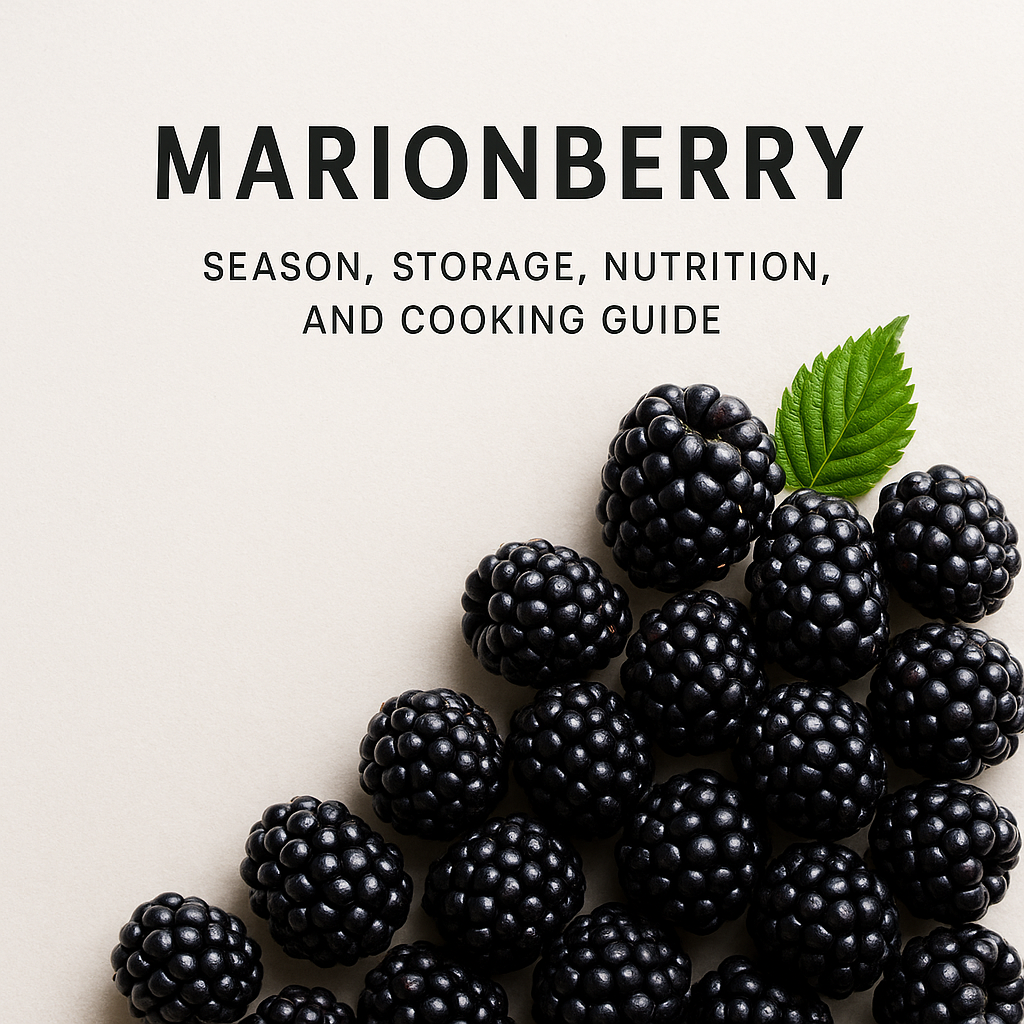
✨ Characteristics
The marionberry, often esteemed for its rich flavor and vibrant hue, is a hybrid berry that originated in Oregon. Known scientifically as Rubus L. subgenus Rubus, marionberries boast a complex, sweet-tart taste that makes them a favorite among berry enthusiasts. Their deep-colored, glossy appearance is not only appealing but also indicative of their high nutrient content, particularly in antioxidants.
Unlike typical blackberries, marionberries are longer and more conical in shape, offering a juicy bite with every morsel. They are sometimes referred to as "the Cabernet of blackberries" because of their superior taste profile, which is why they are often used in desserts, jams, and even savory dishes.
💪 Benefits
Marionberries are more than just a delicious indulgence; they're a powerhouse of nutrients. Here are several noteworthy benefits of consuming marionberries:
- Rich in Antioxidants: Like many berries, marionberries contain high levels of antioxidants, which are beneficial for fighting free radicals in the body.
- High in Fiber: These berries contribute to daily fiber intake, aiding in digestive health and keeping you feeling full longer.
- Vitamins and Minerals: Marionberries are rich in vitamins C and K, both essential for immune function and bone health.
- Low in Calories: If you're watching your calorie intake, marionberries are a guilt-free snack, making them an excellent option for a healthy diet.
🌍 Origin
The marionberry was first developed by George F. Waldo at Oregon State University as part of a cooperative breeding program with the United States Department of Agriculture. Crossing the Chehalem and Olallieberry varieties, the marionberry was perfected in 1945 and officially released in 1956. This berry is named after Marion County in Oregon, a region known for its ideal berry-growing conditions.
Today, marionberries are predominantly grown in Oregon and are considered a staple of summer produce in the Pacific Northwest.
📅 Harvest Season
The marionberry season is relatively short but sweet, typically beginning in early July and lasting until the end of August. During this time, the berries are harvested at their peak ripeness to ensure optimal flavor and nutritional quality.
For those interested in picking their own marionberries or purchasing them fresh, it is best to plan accordingly within this two-month period. Outside of the growing season, frozen marionberries are a great alternative, retaining much of the same taste and nutrition.
🧺 Varieties
While the marionberry itself is a variety of blackberry, there aren't numerous sub-varieties of marionberries. However, it's part of a larger group of trailing blackberries. Other related varieties include the Chehalem and Olallieberry, which share some sensory similarities with marionberries but with slight differences in flavor and acidity.
These varieties are often grouped under the category of "caneberries" in the Pacific Northwest, emphasizing the methods used for cultivation and harvest.
🛒 How to Choose (Checklist)
When selecting marionberries, look for the following characteristics to ensure you're picking the best of the bunch:
- Color: Look for deep, uniform coloring throughout the berry. Avoid any with light patches, which may suggest underripeness.
- Texture: Choose plump and firm berries, steering clear of any that appear shriveled or squishy.
- Aroma: Fresh marionberries should have a sweet, fragrant aroma. An absence of scent can signify a lack of flavor.
- Check for Mold: Inspect the container for signs of mold or moisture, which can quickly spoil the remaining fruit.
🍽 Cooking & Eating Methods
Marionberries are incredibly versatile, lending themselves to both sweet and savory dishes. Here are few ideas on how to incorporate them into your meals:
- Fresh: Enjoy them as a refreshing snack or a garnish for salads. Their natural sweetness makes them perfect for a healthful dessert option.
- Baked Goods: Marionberries are a popular choice for pies, tarts, muffins, and cobblers due to their rich flavor profile.
- Jams and Jellies: Preserve their delicious taste by making homemade jams and jellies; they're perfect spread on toast or as a filling for pastries.
- Sauces: Use marionberries to create a savory sauce for meats or as a vibrant salad dressing, adding a hint of sweetness and acidity.
- Smoothies: Blend them into smoothies for a nutrient-rich and flavorful addition to your breakfast routine.
❄ Storage Tips
Proper storage of marionberries is crucial to extend their freshness and preserve their flavors:
- Refrigeration: Store fresh marionberries in the refrigerator in a covered, breathable container. Consume within 3-5 days for maximum freshness.
- Freezing: For longer storage, spread the berries on a baking sheet and freeze until solid. Transfer to a sealed freezer bag or container, which can last up to 12 months in the freezer.
- Washing: Wash the berries only when you're ready to eat them. Excess moisture can promote mold growth during storage.
❓ FAQ
Q1: What makes marionberries different from regular blackberries?
Marionberries are a specific cultivar of blackberry known for their unique, complex flavor and slightly larger size. They tend to be sweeter and have a more pronounced tartness compared to other blackberries.
Q2: Can marionberries be used in place of other berries in recipes?
Yes, marionberries can often be substituted for other berries in recipes, lending a unique flavor twist. Keep in mind that their sweetness and tartness levels may alter the final taste of a dish slightly if substituting in equal amounts.
Q3: Are marionberries genetically modified?
No, marionberries are not genetically modified. They were developed through traditional crossbreeding techniques involving two types of blackberries, making them a naturally occurring variety.