🍓 Mangosteen: Season, Storage, Nutrition, and Cooking Guide
Mangosteen, often celebrated as the "queen of fruits," is a tropical delight that offers a symphony of flavors in every juicy bite. Despite its luxurious connotation, understanding when to enjoy it, how to store it, and the myriad ways it can be savored, can enhance your culinary and sensory experience with this unique fruit.
✨ Characteristics
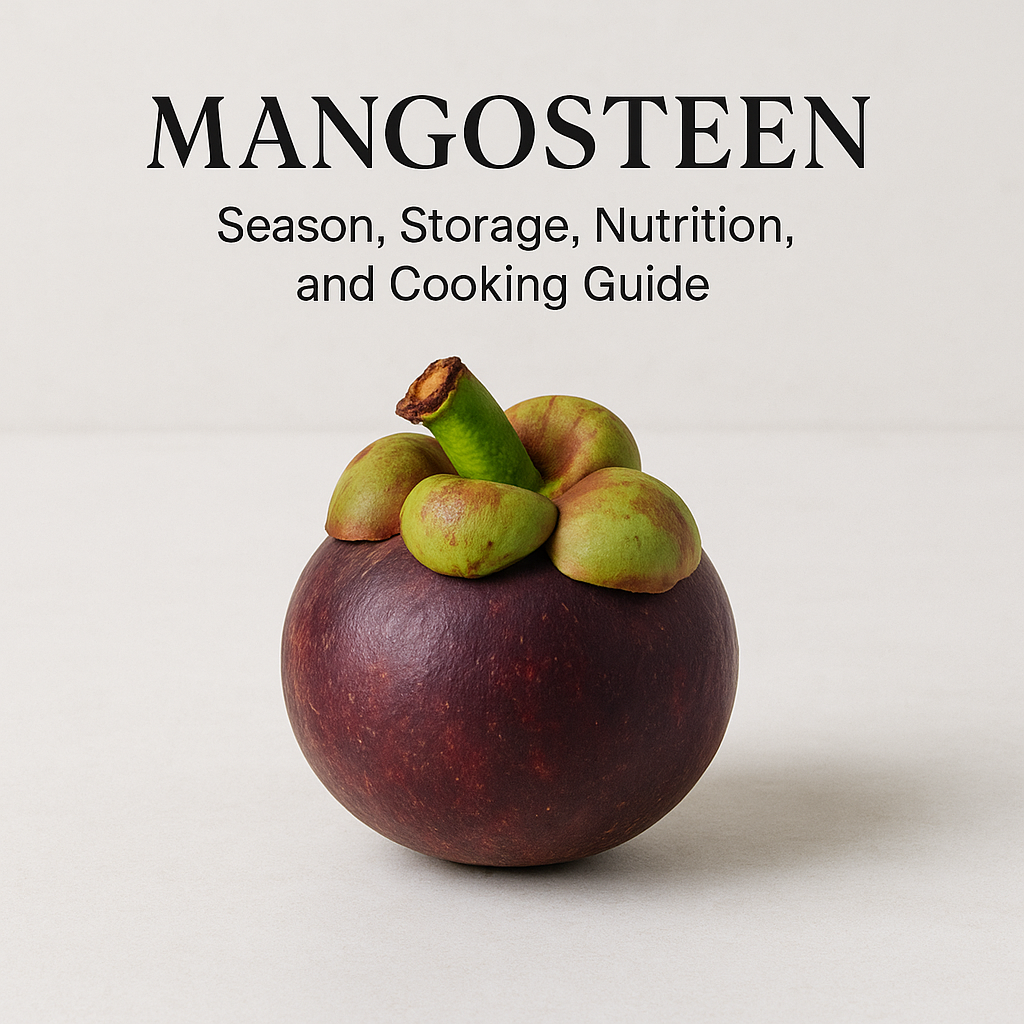
The mangosteen is a dark purple fruit with a tough, leathery exterior that surprisingly cradles a flesh of pure delicacy. When you cut through its rind, you discover pearly white segments that resemble tangerine wedges, emitting a lusciously sweet and slightly tangy aroma. The flavor profile blends hints of peach, vanilla, and caramel— a sweet and subtly refreshing concoction that's hard to resist.
💪 Benefits
While primarily appreciated for its taste, mangosteen also offers various nutritional benefits, making it a worthwhile addition to your diet. It's rich in antioxidants, thanks to compounds like xanthones, which play a vital role in combating oxidative stress. These antioxidative properties may contribute to the body's overall health. Additionally, mangosteen provides a decent amount of vitamins C and B6, folate, and dietary fiber, which support various bodily functions like boosting the immune system and promoting digestive health.
🌍 Origin
The mangosteen's roots trace back to Southeast Asia, particularly the Malaya Peninsula, Sumatra, and the Indonesian islands. Over time, its cultivation spread across tropical regions worldwide, including Thailand, India, and parts of Africa and Central America. Thailand, in particular, is renowned for the commercial production of high-quality mangosteens and even hosts annual festivals to celebrate this regal fruit.
📅 Harvest Season
Mangosteens are typically harvested from late spring to early summer, with a specific season from April to September. The timing might vary based on location due to differing climate conditions. Consumers might find fresh mangosteens most readily available in markets during these months, ensuring the best flavor and quality when indulging in this exotic fruit.
🧺 Varieties
While the purple mangosteen is the most common variety, there are several lesser-known types that exist around the world, especially in localized cultivation:
- Yellow Mangosteen (Garcinia dulcis): Slightly more acidic, this variety often resembles a small lemon in appearance and flavor.
- Button Mangosteen (Garcinia prainiana): Found in parts of Malaysia and Indonesia, featuring an apricot-like taste.
- Roa-roua Mangosteen (Garcinia forbesii): Known for its rosy skin and distinctive flavor, native to parts of Indonesia.
🛒 How to Choose (Checklist)
Selecting the right mangosteens involves a combination of visual and tactile inspection:
- Color: Look for deep purple skins, as this indicates ripeness.
- Weight: Heavier fruits generally contain more pulp and juice, offering better flavor.
- Texture: The skin should yield slightly to gentle pressure, not too hard or overly soft.
- Appearance: Avoid shells with dry, brittle patches as these may indicate age or poor handling.
🍽 Cooking & Eating Methods
Mangosteen can be enjoyed in various forms, both in its natural state and as an ingredient in recipes. Here's how you can explore its culinary potential:
- Raw Consumption: Simply peel away the rind and snack on the tender segments directly for a juicy, refreshing treat.
- Smoothies and Juices: Blend mangosteen pulp with tropical fruits like mango or pineapple for a delicious beverage.
- Desserts: Incorporate mangosteen into fruit salads, sorbets, and gelato for a luxury twist.
- Sauces and Chutneys: Combine it with herbs and spices to create exotic sauces to accompany savory dishes.
❄ Storage Tips
To maintain the freshness and taste of your mangosteen, follow these storage guidelines:
- Room Temperature: If slightly underripe, you can keep mangosteens at room temperature for a few days to ripen.
- Refrigeration: Store ripe mangosteens in the refrigerator to extend freshness for up to two weeks.
- Freezing: For long-term storage, consider freezing the peeled segments in a sealed container or zip-lock bag, lasting up to six months.
❓ FAQ
- Q: Can you eat mangosteen seeds?
A: Mangosteen seeds are generally not consumed raw as they are quite bitter. However, they can be roasted and used in some regional recipes.
- Q: Is mangosteen available all year round?
A: While mangosteen is primarily in season from April to September, in some regions, imports or greenhouse-grown varieties might be available outside these months.
- Q: How can I incorporate mangosteen into a balanced diet?
A: Mangosteen can be eaten as part of a varied diet, complementing other fruits and offering a sweet indulgence rich in nutrients to be enjoyed in moderation.