🍓 Mandarin: Season, Storage, Nutrition, and Cooking Guide
Mandarins, also known as the cousins of the orange, are not just sweet and juicy snacks but also a vibrant addition to various culinary dishes. This comprehensive guide will delve into the fascinating world of mandarins, from their seasonal availability and storage methods to their nutrition profile and versatile cooking uses. Perfect for both food enthusiasts and health-conscious individuals, this guide serves as a window into making the most of these delightful fruits.
✨ Characteristics
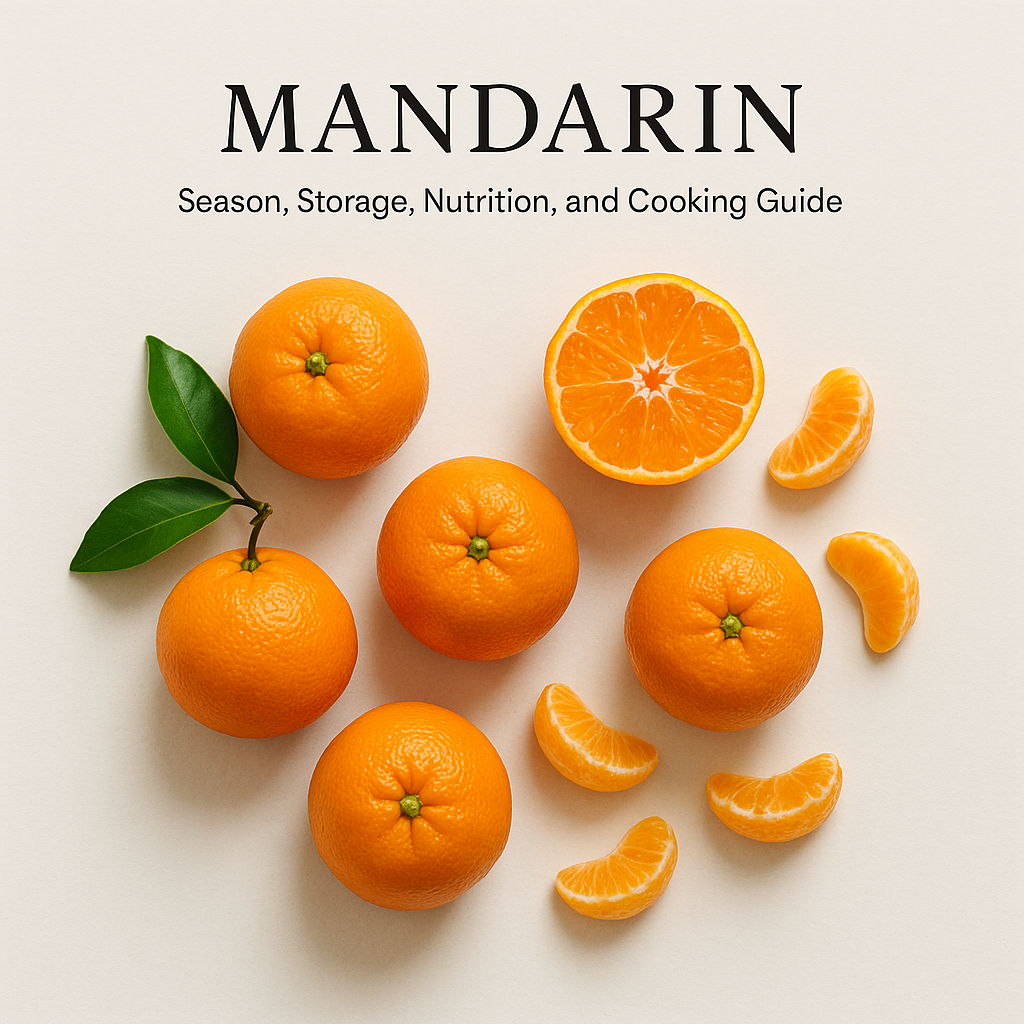
Mandarins are small citrus fruits known for their easy-to-peel skin and segmented flesh. They typically have a bright orange rind and are often seedless, which makes them especially popular among children and adults alike. Their sweet, tangy flavor is a refreshing treat that can be enjoyed on its own or as part of various culinary creations.
💪 Benefits
Rich in essential nutrients, mandarins are a powerhouse of health benefits. They are high in vitamin C, which is vital for immune function and skin health. Mandarins also contain antioxidants that help fight free radicals in the body. Additionally, they provide a modest amount of dietary fiber, aiding in digestive health, and contain a range of essential nutrients like potassium, folate, and magnesium, which support heart health and neurological function.
🌍 Origin
The mandarin is native to Southeast Asia and has been cultivated for thousands of years. It was believed to be introduced to the West via China, finding its way to Europe in the 19th century. Today, mandarins are widely grown in Mediterranean climates and are popular in various parts of the world, including the United States, Spain, and Italy. Their easy cultivation and appealing taste have made them a staple fruit in many dietaries around the globe.
📅 Harvest Season
Mandarins are typically in season from November through April, making them a popular winter fruit. The peak months depend on the specific variety and geographical location. For instance, in California, the harvest season can begin as early as November, with some varieties available until late spring. This makes mandarins a festive addition to holiday menus and a winter staple for those seeking fresh, citrusy flavors during the colder months.
🧺 Varieties
Several varieties of mandarins grace the markets, each with unique characteristics.
- Satsuma: Known for their loose skins and early ripening, Satsumas are usually seedless and have a bright orange hue.
- Clemenule: These mandarins are a type of clementine, known for their sweetness and easy peeling.
- Tangerine: Often considered synonymous with mandarins, tangerines are typically more tart and have a stronger aroma.
- Honey: True to their name, these mandarins are exceptionally sweet and ideal for snacks.
🛒 How to Choose (Checklist)
When selecting mandarins, ensure you choose the best quality fruits with this checklist:
- Look for bright, vibrant-colored skins without blemishes or signs of mold.
- Choose fruits that feel heavy for their size, indicating juiciness.
- Avoid overly hard or too soft mandarins, which may indicate under-ripeness or spoilage.
- Check for a sweet aroma at the stem; it indicates ripeness and flavor.
🍽 Cooking & Eating Methods
Mandarins can be enjoyed raw, directly peeling and consuming their juicy segments. Beyond this, their culinary uses are diverse:
- Salads: Add mandarin segments to greens for a burst of sweetness.
- Juices and Smoothies: Blend with other fruits for a refreshing, nutritious drink.
- Marinades and Sauces: Use mandarin juice to add acidity and flavor to dressings and marinades.
- Cooking: Incorporate in sweet or savory dishes, such as cakes or ginger chicken dishes, for zest.
❄ Storage Tips
Proper storage can significantly extend the shelf life of mandarins:
- Store mandarins at room temperature for up to a week in a dry area.
- For longer storage, keep them in a refrigerated environment; this can extend freshness up to two weeks or more.
- If they've been peeled or segmented, place them in airtight containers or plastic wrap before refrigerating.
❓ FAQ (3 questions)
Q1: Are mandarins the same as clementines?
A: Clementines are a type of mandarin. They are known for their seedless nature and sweet flavor, making them a popular choice for raw consumption.
Q2: Can I freeze mandarins?
A: Yes, mandarins can be frozen. Peel and segment them, then store in an airtight container or Ziploc bag. This allows a longer shelf life and easy use in smoothies or for snacking.
Q3: How can I tell if a mandarin has gone bad?
A: Signs of spoilage include a wrinkled surface, mold, or an off-putting smell. If the mandarin feels too soft or mushy, it is also likely past its prime.