🍓 Lychee: Season, Storage, Nutrition, and Cooking Guide
Lychee is a tropical fruit known for its unique appearance and delightful taste. This fruit is often sought after in culinary circles for its versatility and nutritional benefits. In this comprehensive guide, we will explore the key characteristics of lychee, its health benefits, origins, and how you can best enjoy and store this exotic delight.
✨ Characteristics
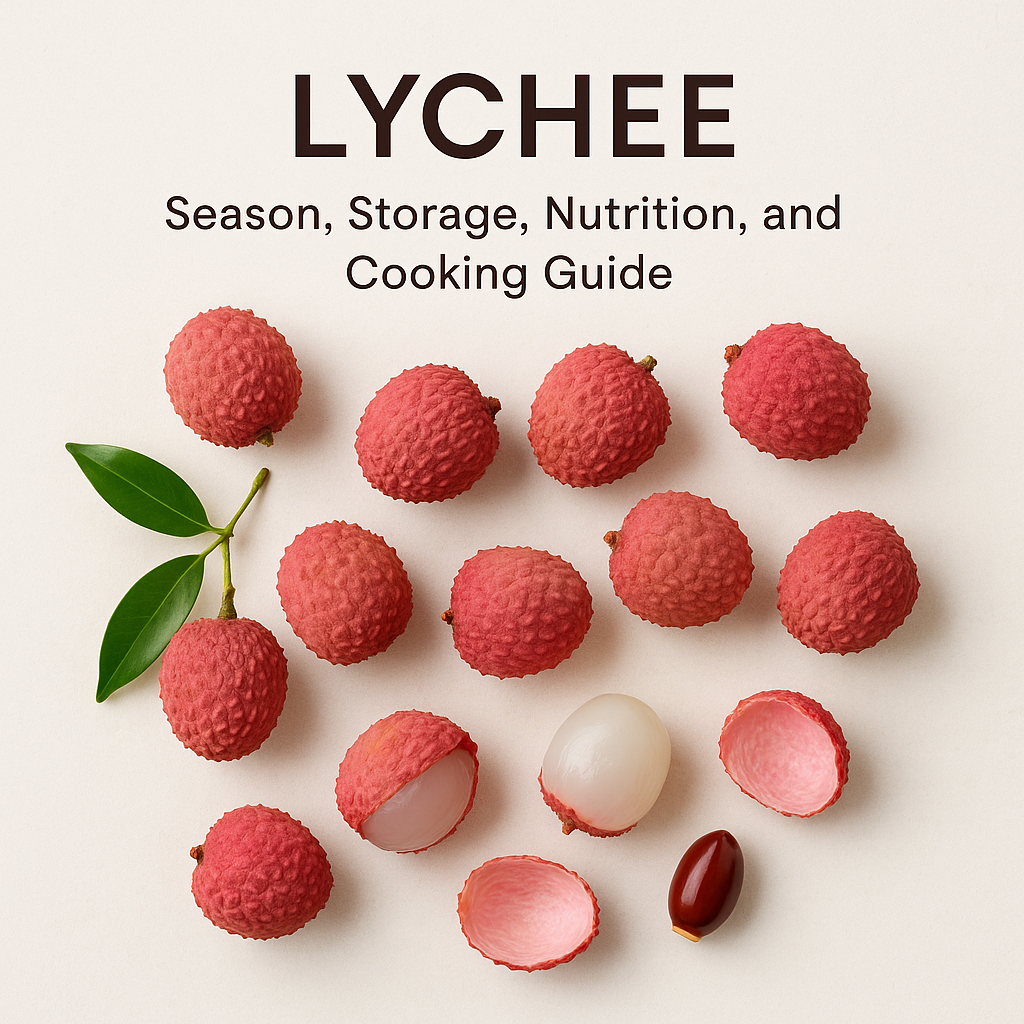
The lychee fruit is easily recognizable by its rough, reddish outer skin and its translucent, juicy flesh. When peeled, the texture of the fruit is reminiscent of grapes, offering a sweet and aromatic flavor that pairs well with both sweet and savory dishes. Lychees are spherical or oval, usually about 2-3 cm in diameter, and contain a single large seed in the center.
The skin of the lychee is inedible and must be removed to access the juicy pulp, which is the edible part of the fruit. Though primarily consumed fresh, lychees can also be found dried or canned, retaining much of their flavor when preserved properly.
💪 Benefits
Lychee is not only a delicious fruit but also comes packed with a host of nutrients and benefits that can be a valuable addition to a balanced diet. This fruit is a significant source of Vitamin C, which is crucial for a healthy immune system. Additionally, lychees contain important B vitamins, potassium, and copper.
The antioxidants present in lychee, such as polyphenols, help combat oxidative stress and support overall well-being. Furthermore, being low in calories and high in water content, lychees make for an excellent hydrating snack.
🌍 Origin
Originating from the Guangdong and Fujian provinces of China, lychee has been cultivated for over two thousand years. It is an integral part of Chinese culture and cuisine, often symbolizing love and romance. Lychee has spread to various parts of the world over the centuries due to its popularity and adaptability to different climates.
Today, lychee is grown in several tropical and subtropical regions including Southeast Asia, India, parts of Africa, and the Americas. Each region, while offering a slight variation in taste and appearance, retains the core qualities that make lychee a beloved fruit across many cultures.
📅 Harvest Season
Lychee fruits thrive in warm, humid climates and have a relatively short harvest season that typically spans from late spring to early summer. In the Northern Hemisphere, lychee harvest usually begins around May and can last through July. The timing can vary slightly based on the specific growing region and annual climate conditions.
The short harvest and limited storage life outside of refrigeration contribute to lychee's reputation as a seasonal delicacy. Freshly harvested lychees are best enjoyed during this period when they are most flavorful and juicy.
🧺 Varieties
Several varieties of lychee exist, each with its unique flavor profile and characteristics. Some of the most popular varieties include:
- Brewster: Known for its large fruit size and sweet taste, Brewster is a favorite among lychee enthusiasts.
- Hak Ip: This variety boasts a darker skin and is highly valued for its juiciness and aromatic flavor.
- Saharanpur: Smaller in size but packed with sweetness, this variety hails from India and is highly esteemed.
- Sweet Cliff: Distinctive for its fragrant aroma and rich taste, Sweet Cliff is a desirable choice in many markets.
🛒 How to Choose (Checklist)
When purchasing fresh lychees, there are a few key indicators to ensure you're selecting the best quality fruits. Consider this checklist when shopping:
- Check for bright red or pinkish skin, indicating ripeness.
- Avoid fruits with green skin or excessive blemishes, as these may be underripe or overripe.
- Ensure the skin is firm and slightly rough, which is a sign of a fresh fruit.
- A gentle squeeze should reveal some give, but too much softness may indicate spoilage.
- Look for fruit with the skin still attached to the stem, which often indicates better quality.
🍽 Cooking & Eating Methods
Lychees can be enjoyed in a multitude of ways, whether fresh, cooked, or even as part of sweeter confectioneries. Here are some popular methods to incorporate lychee into your diet:
Fresh lychees are often eaten as a standalone snack. To prepare, simply peel off the skin and remove the seed to enjoy the juicy fruit inside. They can also be added to fruit salads, desserts, and smoothies for an exotic twist.
Lychee pairs exceptionally well with seafood dishes, such as prawn or fish salads, as its sweetness contrasts beautifully with savory flavors. Additionally, lychee can be incorporated into sauces, dressings, and even cocktails for a refreshing burst of flavor.
Dried lychees, often referred to as lychee nuts, offer a more concentrated, sweeter version of the fruit and can be an excellent addition to trail mixes and baked goods.
❄ Storage Tips
Fresh lychees are best consumed shortly after purchase, but proper storage can extend their shelf life. Keep these storage tips in mind to maintain the freshness of your lychees:
- Store lychees in a plastic bag with small air holes to allow for ventilation, preventing mold growth.
- Refrigerate lychees at a temperature of around 5 degrees Celsius or 41 degrees Fahrenheit to extend freshness for up to two weeks.
- If you plan to store lychees for a longer period, consider freezing the peeled fruit. Place them in an airtight container, and they can last for several months in the freezer.
❓ FAQ
1. Can lychees be grown at home?
Yes, lychee trees can be grown at home if you live in an area with a suitable climate. They require a tropical or subtropical environment with ample sunlight and humidity.
2. Are lychees suitable for people with allergies?
While lychee is generally safe for most people, some individuals may experience allergic reactions. It's advisable to consult with a healthcare provider if you have known food allergies or sensitivities before consuming lychees.
3. Is the lychee seed edible?
No, the seed of the lychee is not edible. It is hard, large, and should be removed before consuming the fruit. Only the juicy pulp surrounding the seed is consumable.