🍓 Lucuma: Season, Storage, Nutrition, and Cooking Guide
Lucuma, a fruit native to the Andean valleys, is celebrated not only for its unique taste and versatility but also for its rich nutritional profile. In this guide, we will delve into the world of lucuma, exploring its characteristics, benefits, origin, harvest season, and tips for selection, storage, and culinary use. Whether you're new to lucuma or a seasoned aficionado, this guide is your comprehensive resource for making the most of this incredible fruit.
✨ Characteristics
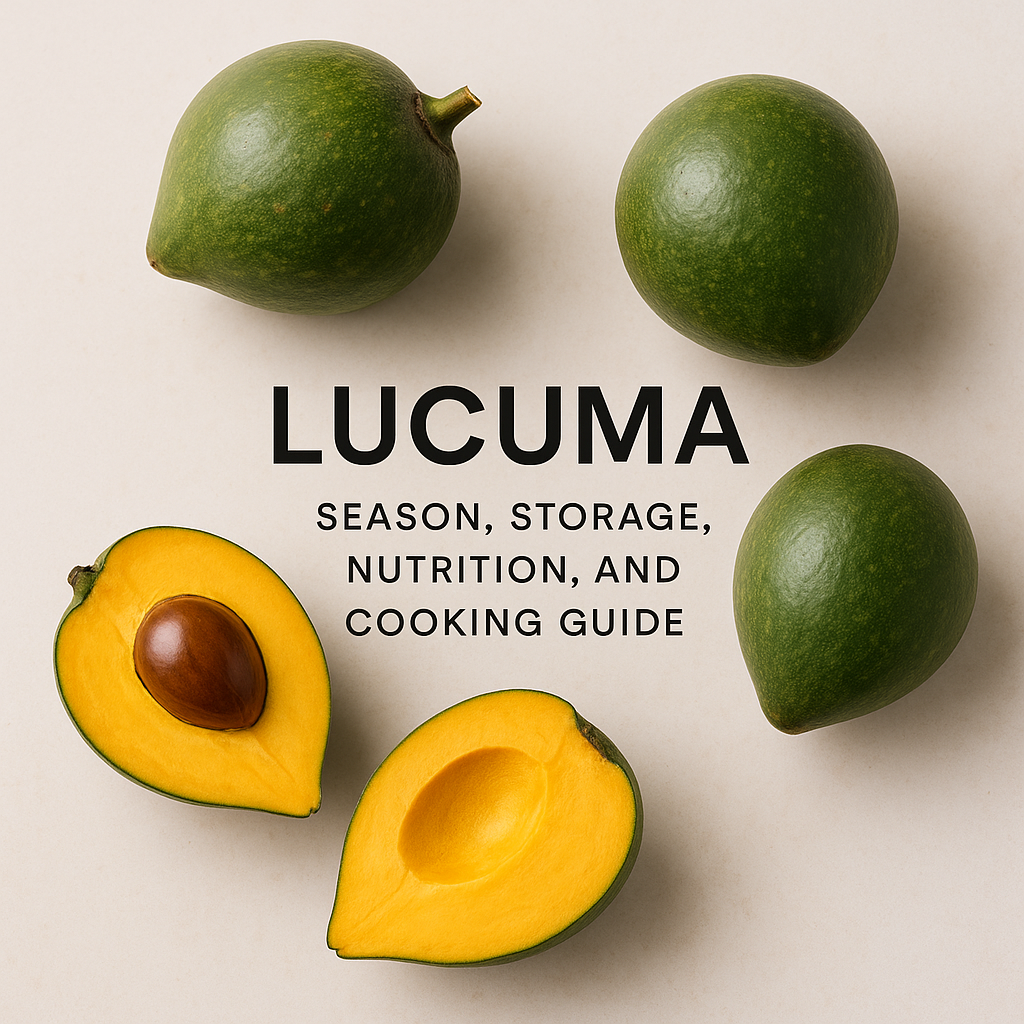
Lucuma, often referred to as the "Gold of the Incas," is a fruit belonging to the sapote family and is primarily found in Peru, Chile, and Ecuador. It is roughly the size of a peach and has a unique bright yellow flesh and greenish-brown skin. The fruit is renowned for its sweet, maple-like flavor with hints of caramel, which makes it an excellent addition to both sweet and savory dishes.
💪 Benefits
While no specific health claims can be made, lucuma is appreciated for its delightful taste and high nutritional value. It is a source of essential nutrients such as fiber, vitamins, and antioxidants. Lucuma has long been used by indigenous communities in its native regions as a traditional food.
- Rich in Fiber: Lucuma is known to contain dietary fiber, which is an important part of a balanced diet.
- Nourishing Sweetness: The natural sweetness of lucuma makes it a popular choice for reducing added sugars in recipes.
- Packed with Antioxidants: Lucuma contains beneficial antioxidants which play a role in general well-being.
🌍 Origin
Lucuma is native to the Andean regions of South America, notably thriving in the valleys of Peru, where it has been cultivated for thousands of years. Historical records suggest its use dates back to ancient civilizations who valued its nutritional and culinary uses, providing sustenance and delight for cultures through the ages.
📅 Harvest Season
The harvest season for lucuma varies slightly depending on the region, but generally extends from January to May in its native countries. The fruit thrives in subtropical climates with dry periods aiding in its optimal growth. Due to modern agricultural practices, lucuma is increasingly available in different parts of the world throughout the year, although fresh varieties outside the native regions might be more limited.
🧺 Varieties
While lucuma is predominantly considered a single species, there are several known varieties that differ primarily by region and cultivation practices. The most common types include:
- Pouteria lucuma: The most recognized and widely cultivated variety, known for its distinctive sweet flavor.
- Lucuma obovata: A variation with a slight difference in flavor profile, often found in specific local markets.
- Local Crossbreeds: Due to regional cultivation, some local farmers produce hybrids that blend qualities of multiple strains.
🛒 How to Choose (Checklist)
Selecting the best lucuma requires attention to certain characteristics. Here is a simple checklist to ensure you pick quality fruit:
- Look for a uniform, rich yellow color beneath the minimal green-brown skin.
- The fruit should feel somewhat soft to the touch, indicating ripeness.
- Avoid fruits with extensive blemishes or overly wrinkled skins.
- Take note of the stem area; a slight sweet aroma is a good sign of mature lucuma.
🍽 Cooking & Eating Methods
Lucuma’s versatility in the kitchen is noteworthy. It can be used fresh or as a powder in a multitude of culinary creations:
- Smoothies and Shakes: Lucuma adds a creamy texture and natural sweetness, perfect for healthy smoothies.
- Desserts: Lucuma's flavor complements ice creams, puddings, and cakes, providing a unique taste experience.
- Breakfast Bowls: Add lucuma powder to yogurts, oatmeal, or granola for an energizing start to your day.
- Sauces and Marinades: Include it in marinades or dressings to give a slight sweet balance to savory dishes.
❄ Storage Tips
Proper storage of lucuma is key to maintaining its quality and prolonging its usability:
- Room Temperature: Store ripened lucuma at room temperature if you plan to consume it shortly.
- Refrigeration: Unripe lucuma should be refrigerated to slow the ripening process if necessary.
- Freezing: For longer preservation, lucuma can be pureed and stored in an airtight container in the freezer.
- Powdered Form: Lucuma powder should be kept in a cool, dry place, sealed from air and moisture.
❓ FAQ
What does lucuma taste like?
Lucuma has a distinctive flavor often compared to a mixture of maple, sweet potato, and butterscotch, making it highly sought after for sweetening and flavoring a range of culinary dishes.
Is lucuma safe for everyone to consume?
Lucuma is generally considered safe for most people and is a staple food in its native regions. However, as with any food, it should be consumed in moderation and individuals with specific health conditions or dietary restrictions should consult with a health professional.
Where can I buy lucuma?
Lucuma is available in fresh and powdered forms. You can typically find it in specialty grocery stores, online marketplaces, and health food stores. Availability may depend on your location and the season.