🍓 Lingonberry: Season, Storage, Nutrition, and Cooking Guide
Lingonberries, small yet mighty red berries, offer a unique blend of tartness and sweetness, truly setting them apart in the world of fruits. Popular in Nordic countries, these berries have a variety of uses, from culinary delights to healthy snacks. This guide dives into the characteristics, benefits, and best practices for choosing, cooking, and storing lingonberries. Whether you are a seasoned foodie or a curious beginner, journey with us to understand how this berry can enrich your culinary adventures.
✨ Characteristics
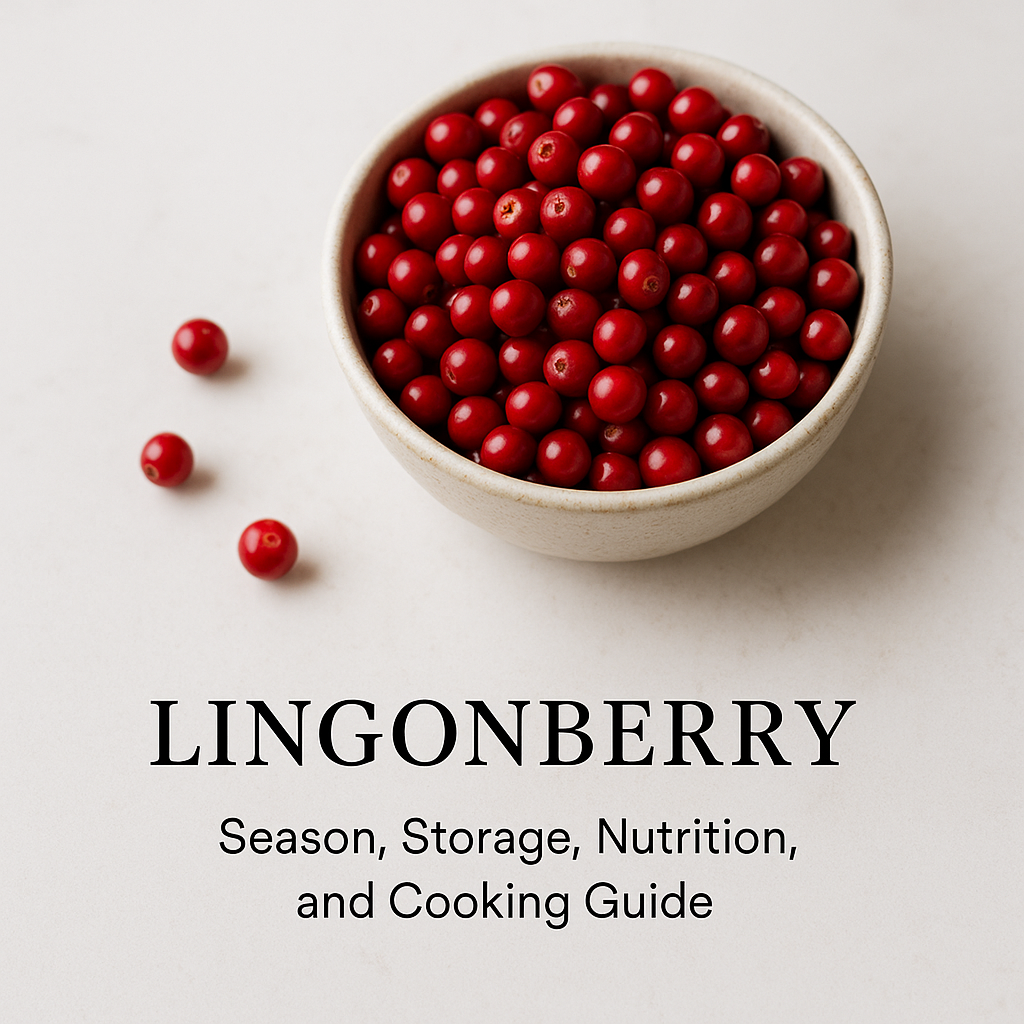
Lingonberries boast a deep red hue and a distinctly tart flavor, making them a popular ingredient in both sweet and savory dishes. They grow on low-lying evergreen shrubs and are closely related to cranberries and blueberries. These small berries, typically about half the size of a blueberry, grow in clusters and have a glossy skin.
Beyond their culinary appeal, lingonberries are celebrated for their durability in cold climates. The resilient nature of these berries makes them a staple in regions with harsh winters. Their unique flavor profile offers a refreshing zest that can complement a variety of dishes.
💪 Benefits
Lingonberries are not only renowned for their taste but also for their nutritional profile. Packed with antioxidants, vitamins, and minerals, they play a beneficial role in a balanced diet. While not making any specific health claims, incorporating lingonberries into your meals can certainly enhance nutritional intake.
- Antioxidant Powerhouse: Lingonberries are rich in antioxidants, which can help neutralize free radicals, potentially reducing oxidative stress.
- Vitamin C Source: These berries provide a natural source of Vitamin C, supporting overall immune function and skin health.
- Dietary Fiber: With a generous amount of fiber, lingonberries promote digestive health by supporting regular bowel movements.
🌍 Origin
Lingonberries are native to the boreal forests and Arctic tundras of the Northern Hemisphere. They are widespread across Scandinavia, Russia, and parts of North America, particularly in Alaska and Canada. Historically, these berries have been a dietary staple for indigenous populations, thriving in cool, woodland areas.
In Scandinavian culture, lingonberries are a beloved traditional food, often appearing in dishes like lingonberry sauce, which accompanies savory meals such as Swedish meatballs. As a testament to their cultural significance, lingonberries are deeply enshrined in the culinary heritage of these regions.
📅 Harvest Season
The peak season for lingonberries varies slightly by location but generally falls between late summer and early autumn. In Scandinavia, harvest can begin as early as August and extend into early October. This period offers the best opportunity to enjoy fresh, ripe lingonberries.
During this season, local markets in lingonberry-growing regions are vibrant with fresh bounty. Foraging remains a popular activity, and many people venture into forests and hillsides to collect these naturally abundant berries.
🧺 Varieties
Several varieties of lingonberries are cultivated, each offering subtle differences in flavor, size, and yield. The wild varieties are typically smaller and more intensely flavored, whereas cultivated varieties have been selectively bred to enhance size and sweetness.
- Ruby: Known for its deeper red color and robust flavor.
- Ida: A larger berry often found in cultivated environments, valued for its sweeter profile.
- Sussi: A valuable hybrid, combining different characteristics to balance tartness and sweetness.
🛒 How to Choose (Checklist)
Selecting the best lingonberries ensures their optimal taste and longevity. Here are key points to consider when choosing lingonberries:
- Look for berries that are plump and firm, with a uniform red color.
- Avoid berries that appear shriveled, bruised, or have blemishes.
- Check the package for any signs of moisture, which might lead to spoilage.
- If buying in bulk, gently shake the container; a rattling sound can indicate freshness.
🍽 Cooking & Eating Methods
Lingonberries offer a versatile range of culinary applications, suitable for both traditional and modern dishes. They can be eaten fresh, used in jellies and sauces, or incorporated into baked goods.
Sauces and Jams: Lingonberry sauce is a classic pairing for savory dishes, adding a tart contrast to rich flavors. Similarly, jams concentrate their flavor and sweetness, making a delightful spread for breads and pastries.
Baked Goods: Add lingonberries to muffins, pies, or tarts to infuse a refreshing tang. They perform well in baked goods, where their inherent tartness balances sweet batters.
Raw Consumption: While tart, fresh lingonberries can provide a crisp addition to salads or as a garnish on desserts, enhancing the dish's visual and flavor appeal.
❄ Storage Tips
Proper storage is vital for maintaining the freshness of lingonberries. Here are some guidelines to help you store your berries effectively:
- Refrigeration: Fresh berries last longer when refrigerated in a breathable container. Avoid tightly sealed bags, which can trap moisture and lead to mold.
- Freezing: For long-term preservation, freeze lingonberries by spreading them on a baking sheet. Once frozen, transfer them to a sealed container or freezer bag.
- Avoid Washing: Hold off washing the berries until you are ready to use them. Excess moisture can hasten spoilage.
❓ FAQ
What dishes pair well with lingonberry sauce?
Lingonberry sauce is a classic accompaniment to meat dishes, such as Swedish meatballs, game meats, and turkey. It provides a tangy contrast to the savory, rich flavors of these meals. Additionally, it can be used as a condiment for cheeses or as a topping over pancakes and waffles.
Can I substitute lingonberries with another fruit?
If lingonberries are unavailable, cranberries or red currants can be great substitutes. Both alternatives provide a similar tartness, although cranberries may require added sweetness to balance their flavor in certain recipes.
Are lingonberries available year-round?
Fresh lingonberries are generally seasonal, available from late summer to early fall. However, frozen or preserved lingonberries can often be found year-round in specialty stores or online, ensuring their flavors can be enjoyed irrespective of the season.