🍓 Kumquat: Season, Storage, Nutrition, and Cooking Guide
Kumquats might be small, but they offer a burst of citrus flavor that can brighten any dish. Often enjoyed whole, including the peel, these unique fruits are packed with nutrients and have various culinary uses. This guide will explore everything from their origin to how best to store and enjoy them.
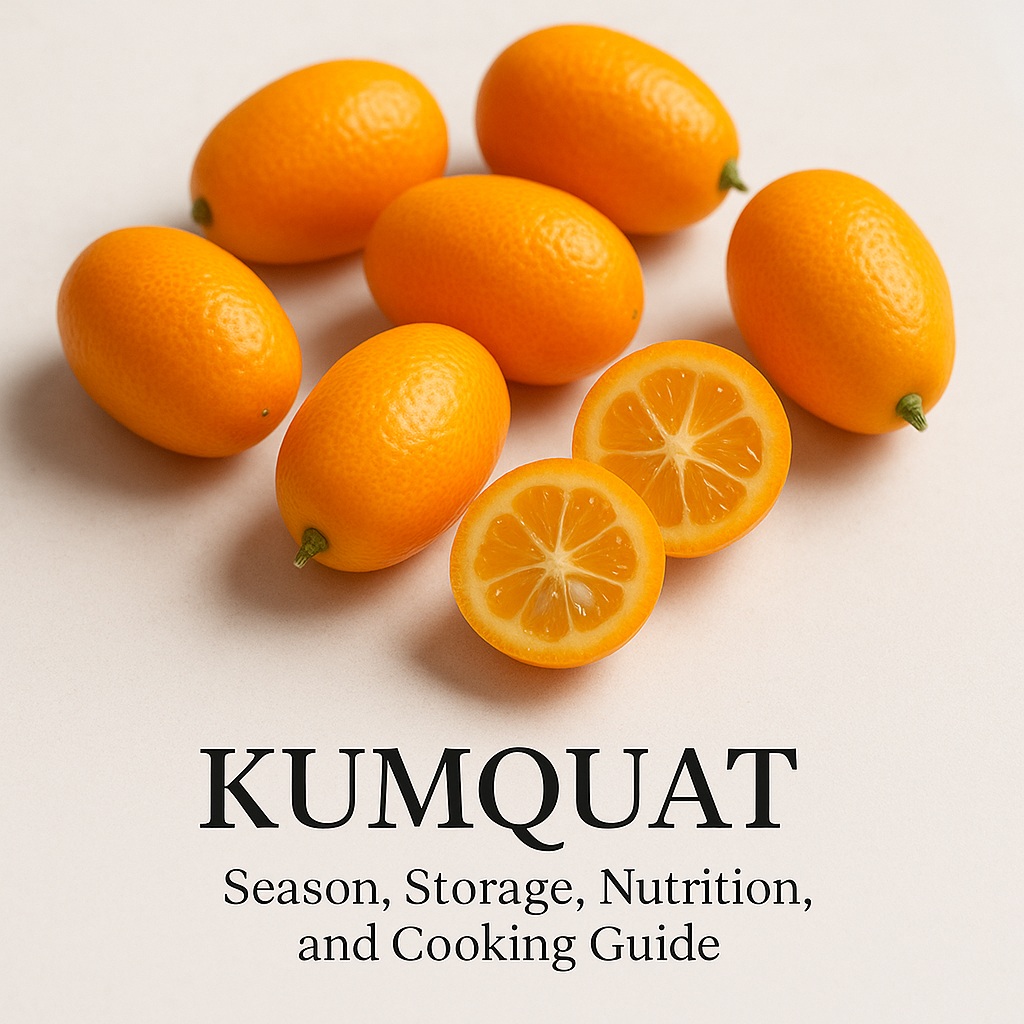
✨ Characteristics
The kumquat, a small citrus fruit, stands out due to its distinctive sweet skin and tart flesh. Unlike many other citrus fruits, kumquats are typically consumed whole—peel and all. Their egg-shaped or round appearance, combined with a vibrant orange or yellow hue, makes them an eye-catching addition to any produce aisle.
Kumquats are relatively small, usually no larger than an olive, and they have a juicy interior with a tart flavor that contrasts delightfully with the sweet taste of their edible skin. This duality is what makes kumquats so unique in the citrus family.
💪 Benefits
Kumquats are lauded not only for their unique taste but also for their nutritional benefits. As an excellent source of vitamin C, they can help support the immune system, skin health, and other bodily functions. Rich in fiber, kumquats can aid digestion and help maintain a healthy gut.
Moreover, kumquats contain antioxidants such as flavonoids and phytochemicals, which can help combat oxidative stress and fight inflammation. Including kumquats in your diet can contribute to a balanced intake of essential vitamins and minerals.
🌍 Origin
Kumquats are native to South Asia and have been a part of Asian indigenous cuisines for centuries. The plant was first documented in Chinese literature and slowly spread to other regions through trade. Although Asia remains a key producer, kumquats are now grown in diverse climates, including parts of the United States, Europe, and South Africa.
As kumquats gained popularity, they were introduced to European and American palates, adapting well to different cuisines while still maintaining their original charm and flavor.
📅 Harvest Season
Kumquats are typically in season from late fall to mid-winter, depending on the region. In the United States, you'll often find the best selections from November through March. This timing allows kumquats to serve as a vibrant addition to winter dishes, providing a burst of sunshine during the colder months.
For the freshest experience, look for kumquats that are bright in color and firm to the touch, with no visible soft spots or blemishes.
🧺 Varieties
Kumquats come in several varieties, each with its unique flavor profile and characteristics. The most common are the Nagami and Meiwa varieties.
- Nagami Kumquat: This is the most prevalent type, characterized by its oval shape and sweet-tart flavor. Nagami kumquats are usually eaten whole and are excellent for marmalades.
- Meiwa Kumquat: Rounder and sweeter than the Nagami, Meiwa kumquats have less tartness, making them ideal for eating fresh.
Other varieties include the Hong Kong Wild and the Marumi, though these are less commonly found in commercial markets.
🛒 How to Choose (Checklist)
When selecting kumquats at the store or market, keep in mind the following checklist to ensure you choose the freshest and tastiest fruit:
- Look for vibrant color: Bright, rich orange or yellow.
- Check firmness: Fruit should be firm with no soft spots.
- Inspect surface: Skin should be smooth and unblemished.
- Smell them: A sweet, fresh fragrance is ideal.
- Check the size: Uniform size without shrivelling.
🍽 Cooking & Eating Methods
There are numerous ways to enjoy kumquats, thanks to their versatile nature. Here are some popular methods:
- Raw Eating: Simply wash the fruit and eat it whole, peel and all, for a quick and nutritious snack.
- Marmalades and Jams: Their natural sweetness and tartness make kumquats a perfect candidate for homemade preserves.
- Salads: Slice kumquats thinly to add a citrusy zing to green or fruit salads.
- Desserts: Use as a garnish for cakes and puddings or incorporate them into pies for a unique twist.
- Flavor Enhancers: Add sliced kumquats to marinades or beverages for an exotic citrus flavor.
❄ Storage Tips
Proper storage is essential to keep kumquats fresh and prolong their shelf life. Follow these tips for optimal storage:
- Store at room temperature for up to a week if consuming soon.
- Refrigerate in a breathable container for up to two weeks for longer freshness.
- Freeze whole or sliced kumquats, packed in an airtight container or freezer bag, to keep them for up to six months.
Always wash kumquats thoroughly before consuming or using them in recipes to ensure they are free from pesticides or residues.
❓ FAQ
1. Can you eat kumquat seeds?
Yes, kumquat seeds are edible, though some people may find them a little bitter. If you prefer, you can spit them out while eating.
2. Are kumquats good for juicing?
While they can be juiced, kumquats are most often eaten whole due to their small size. If you decide to juice them, consider mixing with other fruits for a balanced citrus flavor.
3. Do I need to peel kumquats before eating?
No, one of the unique features of kumquats is their edible peel. The peel is sweet, while the pulp is tart, offering a delightful contrast in flavors.