🍓 Jabuticaba: Season, Storage, Nutrition, and Cooking Guide
Jabuticaba is a unique Brazilian fruit prized for its sweet flavor and versatility in various culinary dishes. Known for growing directly on the trunk of its tree, jabuticaba stands out both in appearance and in taste. This guide delves into its characteristics, nutritional benefits, origin, and how best to enjoy and store this wonderful fruit.
✨ Characteristics
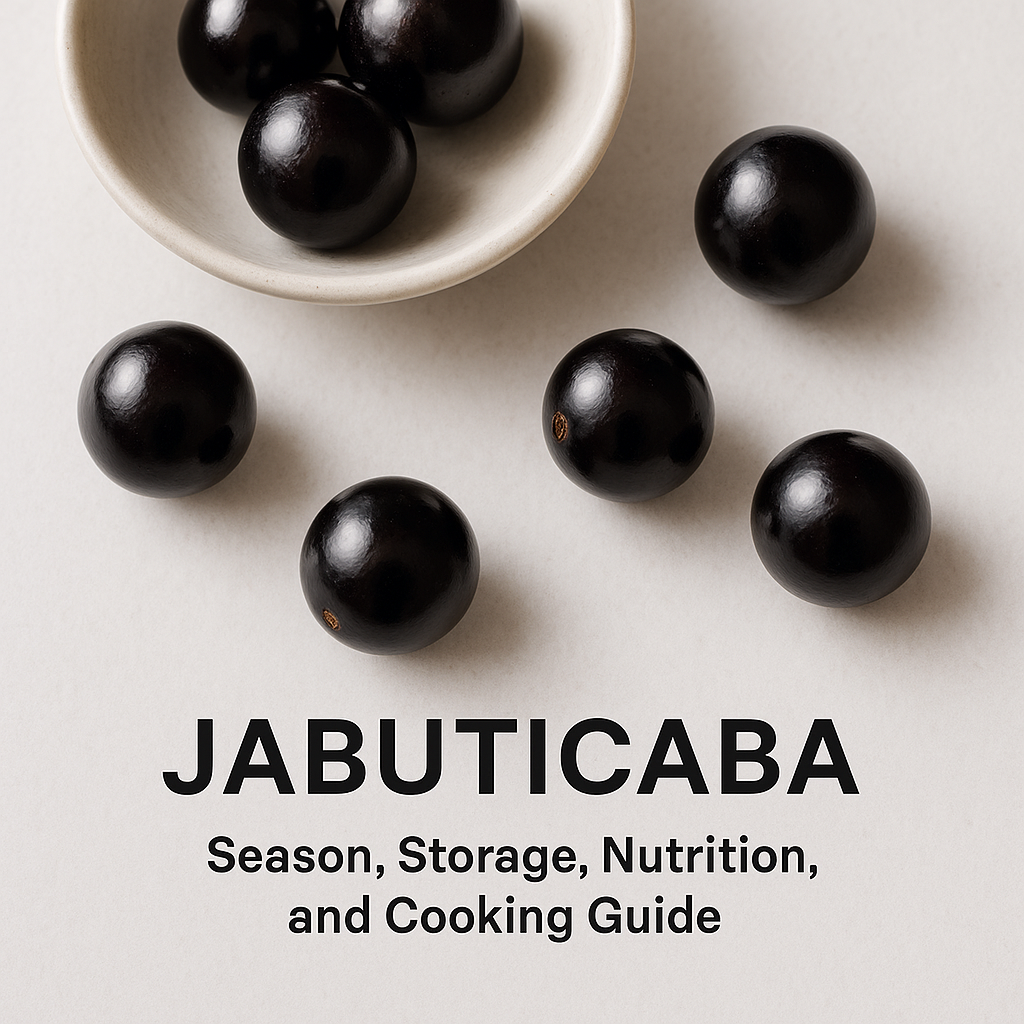
Jabuticaba, scientifically known as Myrciaria cauliflora, is a species of tree native to the Minas Gerais region of Brazil but has now spread to various tropical and subtropical areas. The fruit resembles large, dark grapes, featuring a purplish-black skin surrounding a translucent, jelly-like pulp. Their size generally ranges from 1 to 4 centimeters in diameter.
The fruit is sweet, with a slightly acidic note, and is often eaten fresh or used in jams, jellies, and traditional Brazilian beverages like wines and liqueurs. One notable characteristic is its growth pattern; jabuticaba fruits emerge directly on the tree's trunk, creating a visually striking and bountiful appearance.
💪 Benefits
Jabuticaba is not only cherished for its delightful taste but also for its beneficial properties. It is a rich source of antioxidants, which are compounds that help combat free radicals in the body, potentially reducing oxidative stress. Moreover, jabuticaba contains vitamin C, essential for a healthy immune system, and dietary fiber, which supports digestive health.
Additionally, this fruit is low in calories, making it a guilt-free option for those monitoring their energy intake. The presence of anthocyanins, which give jabuticaba its distinct color, is also linked to various health advantages, including heart health and anti-inflammatory effects.
🌍 Origin
The jabuticaba tree is indigenous to the central and southern regions of Brazil, particularly in the states of Minas Gerais, Goiás, and São Paulo. Due to its popularity, the cultivation of jabuticaba has expanded to other areas with conducive climates, including parts of Argentina, Bolivia, and Paraguay. With the growth of global agriculture, these trees are also found in some subtropical regions of the United States, such as Florida and California.
📅 Harvest Season
The harvest season for jabuticaba typically occurs twice a year, often aligning with the end of winter and the start of spring and another bloom before autumn. In Brazil, these periods usually coincide with March-April and September-November. Depending on the growing conditions and geographical location, the exact timing may vary slightly. During these months, the fruit is ripe for picking and can be enjoyed fresh or processed into various products.
🧺 Varieties
There are several varieties of jabuticaba, each with distinctive features. The most common types include:
- Sabara: This is the most common jabuticaba variety, recognized for its sweet taste and thin skin, making it highly palatable when eaten fresh.
- Ponhema: Bearing larger and thicker-skinned fruit, this variety is less sweet than Sabara but is excellent for making concentrated jams and liqueurs.
- Paulista: Known for its larger fruits and more extended harvest periods, it is favored both for fresh consumption and culinary processing.
- Acu Paulista: With even larger fruit sizes, this type matures more quickly and packs a sweet, juicy punch.
🛒 How to Choose (Checklist)
Selecting the best jabuticaba is crucial in ensuring optimal taste and freshness. Use this checklist when purchasing:
- Choose fruits with dark, almost black, glossy skin.
- Avoid fruits with wrinkles or dry, dull skin, which can indicate overripeness.
- Firmness is key; gently press the fruit – it should yield slightly but not be mushy.
- Smell the fruit; it should have a sweet, fresh aroma.
- If possible, opt for freshly picked jabuticabas to ensure the best flavor.
🍽 Cooking & Eating Methods
Jabuticaba can be enjoyed in numerous ways, making it a versatile addition to various dishes. Here are some primary methods for enjoying jabuticaba:
- Fresh: Simply rinse under water and enjoy as a quick, healthy snack.
- Juices: Blend the fruits to make a refreshing juice, often mixed with other fruits like oranges or lemons to enhance its flavor.
- Jams and Jellies: The high pectin content makes jabuticaba an excellent choice for homemade jams and jellies.
- Wine and Liqueurs: Ferment the fruit to produce traditional Brazilian wines and various fruity liqueurs.
- Desserts: Incorporate into cakes, pies, and sorbets for a fruity twist.
❄ Storage Tips
To ensure that jabuticaba remains fresh and tasty, follow these storage tips:
- Refrigeration: Store jabuticaba in the refrigerator to prolong freshness. Place them in a breathable bag or container to allow air circulation and cool at 3-4 degrees Celsius for up to two weeks.
- Freezing: For longer-term storage, freeze jabuticaba. First, wash and dry the fruits, then place them in a single layer on a baking sheet in the freezer. Once completely frozen, transfer to airtight bags.
- Avoid Moisture: Keep the fruits dry when storing to prevent mold and spoilage.
❓ FAQ (3 questions)
Here are some common questions about jabuticaba:
- Can I eat the skin of jabuticaba?
Yes, the skin is edible, though it can be slightly tart and bitter. Many prefer to suck the pulp and spit out the skin and seed. - How can I tell if jabuticaba is ripe?
Ripe jabuticabas have a dark purplish-black color and a firm, yet slightly pliable texture. If the skin appears dull or has blemishes, it may be past its prime. - Can jabuticaba trees grow outside tropical climates?
Jabuticaba trees prefer tropical and subtropical environments. They can be grown in warmer regions but may require specific care to thrive outside these climates, such as greenhouse cultivation or careful monitoring of their growing conditions.