🍓 Huckleberry: Season, Storage, Nutrition, and Cooking Guide
Huckleberries, a highly prized wild berry, captivate foragers, chefs, and nutrition enthusiasts alike with their unique flavor and nutritional benefits. This guide explores everything you need to know about these elusive berries, from their seasonal availability to the best storage practices.
✨ Characteristics
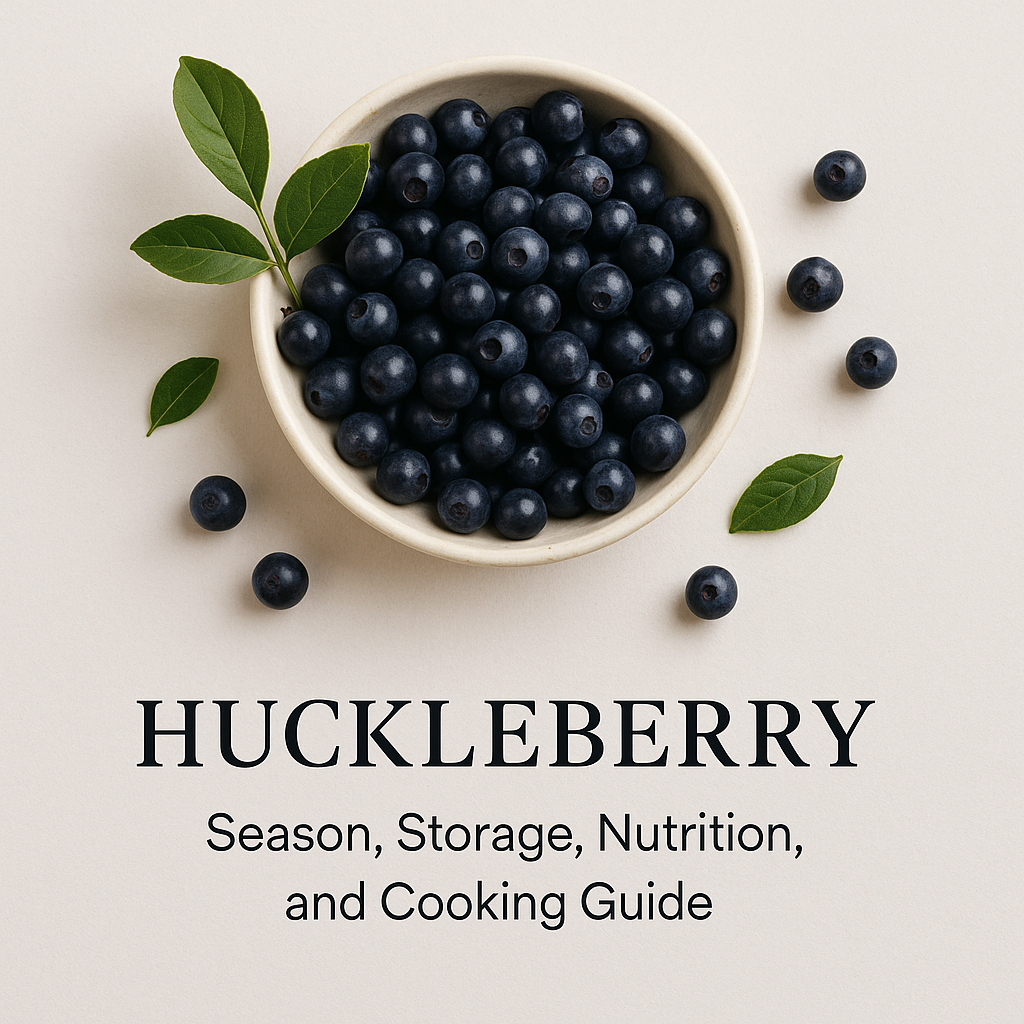
Huckleberries are small, round, and resemble their close relative, the blueberry. They usually come in shades of deep red, blue, and almost black. Unlike blueberries, huckleberries have a sweeter and more robust flavor, yet with a delicate balance of tartness. They thrive in mountainous regions with well-drained, acidic soils.
💪 Benefits
Rich in antioxidants, huckleberries help combat oxidative stress, supporting overall health. They contain vitamins A and C, contributing to immune function and skin health. Their fiber content aids digestion and can help maintain healthy blood sugar levels. While no medical claims can be made, incorporating huckleberries into a balanced diet can be a delicious way to enjoy the benefits of natural nutrients.
🌍 Origin
Huckleberries grow in various regions across North America, with the highest concentrations found in the Pacific Northwest and the Rocky Mountains. Indigenous peoples have long harvested huckleberries, using them not only as a food source but also for medicinal and ceremonial purposes. The berries are an integral part of many cultural traditions.
📅 Harvest Season
The huckleberry harvest season varies depending on location and climate but generally ranges from mid-summer to early fall. In the Pacific Northwest, they often ripen from July to September. For those interested in foraging, timing is crucial, as berry availability can be influenced by weather conditions and elevation.
🧺 Varieties
There are several huckleberry species, each with its unique characteristics:
- Black Huckleberry (Vaccinium membranaceum): Found primarily in the Rocky Mountains, these are perhaps the most revered for their deep, sweet flavor.
- Red Huckleberry (Vaccinium parvifolium): Native to the Pacific Coastal forests, they offer a tart and tangy taste, distinct from their black counterparts.
- Thinleaf Huckleberry (Vaccinium membranaceum): Known for its diverse berry coloration from red to dark purple.
🛒 How to Choose (Checklist)
When selecting huckleberries, consider the following:
- Look for berries that are plump and firm, with a consistent color.
- Avoid berries that are mushy, shriveled, or have signs of mold.
- If purchasing from a market, ensure they have been stored appropriately, ideally in a cool place.
- For freshest experience, consider foraging or purchasing from local growers during peak season.
🍽 Cooking & Eating Methods
Huckleberries are versatile, lending themselves well to both sweet and savory dishes. Here are some popular methods to enjoy them:
- Fresh Eating: Rinse and eat them raw for a nutritious snack.
- Baked Goods: Incorporate huckleberries into muffins, pies, and cobblers for a burst of flavor.
- Jams and Preserves: Their natural pectin content makes them ideal for making jams.
- Sauces: Create a divine sauce to accompany meat dishes, adding a sweet and savory element.
- Drinks: Blend into smoothies or cocktails for a refreshing twist.
❄ Storage Tips
To extend the shelf life of huckleberries, consider the following storage tips:
- Store fresh huckleberries in the refrigerator, where they can remain fresh for up to two weeks.
- For long-term storage, freeze berries by spreading them on a baking sheet and placing them in the freezer. Once frozen, transfer to an airtight container.
- Preserve berries by making jams or jellies, which can be stored in a cool, dark place for several months.
❓ FAQ
Can I eat huckleberries raw?
Yes, huckleberries can be eaten raw and are often enjoyed for their sweet-tart flavor. Just ensure they are properly washed to remove any dirt or debris.
Are huckleberries available year-round?
Huckleberries are not typically available year-round. They have a specific growing season, usually found from mid-summer to early fall, depending on the region.
What's the difference between huckleberries and blueberries?
While similar in appearance, huckleberries and blueberries differ in taste and growth conditions. Huckleberries have a more intense flavor and are found in the wild, whereas blueberries are often cultivated and usually sweeter.