🍓 Grape: Season, Storage, Nutrition, and Cooking Guide
Grapes are a small fruit that come in a variety of colors, including green, red, purple, and black. They are enjoyed fresh, dried, as raisins, or used to make wine, juice, and jelly. In this comprehensive guide, we'll explore everything you need to know about grapes - from their nutritional benefits to various ways to enjoy them in your meals.
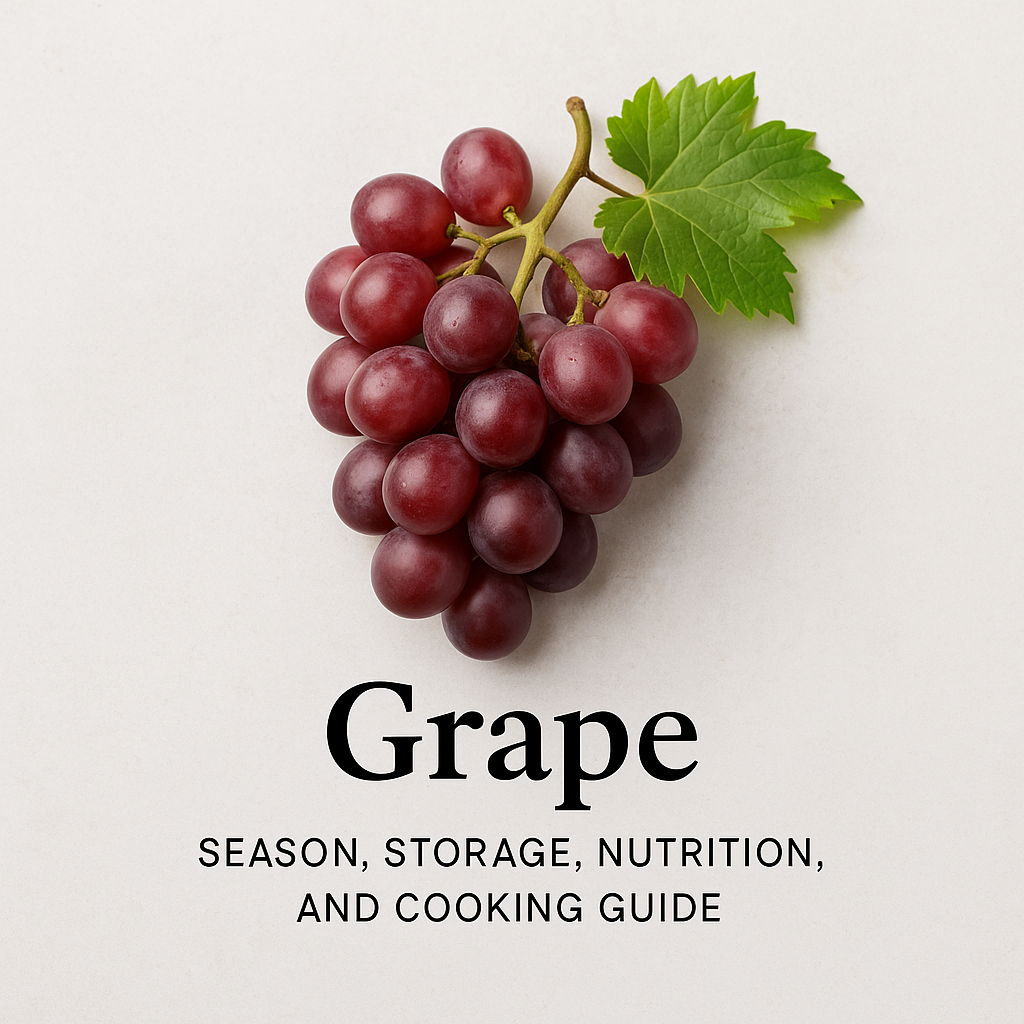
✨ Characteristics
Grapes are known for their juicy, sweet, and sometimes tart flavor profile that makes them popular both as a fresh snack and a versatile culinary ingredient. Each grape is composed of a thin skin and a fleshy interior, with or without seeds, depending on the variety. The different colored varieties offer slightly varying flavors and nutritional content, making them a delightful addition to numerous dishes.
The skin of the grape is rich in antioxidants, particularly in darker varieties, contributing to its health benefits. Winemaking has made grape cultivation spread widely across the world, emphasizing its economic and cultural significance.
💪 Benefits
Rich in vitamins and antioxidants, grapes provide numerous health benefits, contributing essential nutrients to the diet:
- Rich in Nutrients: Grapes offer vitamins C and K, both of which are vital for maintaining skin health, bone health, and overall bodily functions.
- High Antioxidant Content: Loaded with antioxidants like resveratrol and flavonoids, grapes help in protecting the body against oxidative stress and support cardiovascular health.
- Hydration: Grapes are high in water content, making them an excellent choice for maintaining hydration.
- Fiber Content: Grapes contain fiber, which aids in digestive health and contributes to gut regulation.
🌍 Origin
Grapes have been cultivated for thousands of years, with evidence of grape growing dating back to ancient civilizations in the Middle East and the Mediterranean region. They have played a significant role in the development of Western culture, particularly in the context of winemaking. Today, vineyards flourish in regions across the world, including Europe, North America, South America, and parts of Asia, reflecting both the historical significance and global popularity of grapes.
📅 Harvest Season
The harvest season for grapes typically occurs between late summer and early fall, with variation depending on the geographic location and climate conditions. In the Northern Hemisphere, grape season generally starts in August, peaking in September and October. Meanwhile, in the Southern Hemisphere, harvest occurs in February through April. It's during these months that grapes are at their ripest and most flavorful, making it the best time to enjoy them fresh from the vine.
🧺 Varieties
With over 8,000 grape varieties worldwide, they are typically categorized based on their intended use - table grapes, which are eaten fresh, and wine grapes, which are used in winemaking. Some popular varieties include:
- Concord: Known for their deep purple color and robust flavor, these are primarily used for juices, jellies, and wines.
- Thompson Seedless: A widely popular green grape, often used for both fresh consumption and as raisins.
- Red Globe: This variety is recognized for its large size and vibrant red color, enjoyed fresh.
- Ruby Red: Small and sweet, these are ideal for snacking and feature a bright red color.
- Pinot Noir: A popular wine grape variety, loved for its potential to create rich and complex red wines.
🛒 How to Choose (Checklist)
When selecting grapes at the store, consider the following checklist to ensure you get the best quality:
- Look for plump and firm grapes that are securely attached to the stem.
- Avoid grapes that appear wrinkled, soft, or show signs of mold.
- Check the color: Green grapes should have a slightly yellowish hue, while red and purple grapes should be rich in color.
- Inspect the packaging for any excess moisture, which can indicate spoilage.
🍽 Cooking & Eating Methods
Grapes can be enjoyed in a variety of ways, thanks to their versatile flavor and texture:
- Fresh Snacking: Grapes are a convenient and delicious snack on their own.
- Salads: Add grapes to salads for a burst of sweetness and juiciness, complementing greens, nuts, and cheeses.
- Sauces and Jellies: Cook grapes down to create flavorful sauces or jellies, perfect for pairing with meats or spreading on toast.
- Raisins: Dry grapes to make raisins, which can be used in baking or eaten as a snack.
- Wine Making: Certain grape varieties are fermented to produce wine, bringing out complex flavors and aromas.
❄ Storage Tips
Proper storage of grapes is crucial to extend their freshness and preserve their quality:
- Store grapes unwashed in the refrigerator, preferably in their original vented bag or container, to allow airflow and prevent moisture buildup.
- Wash grapes with cold water just before consumption to maintain their freshness longer.
- You can freeze grapes whole to enjoy as a frozen treat for up to 12 months. Simply wash, dry, and place them on a baking sheet before transferring to a freezer-safe bag.
❓ FAQ
- Q: Can grapes be grown in my backyard?
A: Grapes can be grown in a wide range of climates, so if you have the appropriate space and conditions, consider planting a grapevine. They require well-drained soil and sunny spots for optimal growth.
- Q: Are seedless grapes genetically modified?
A: Seedless grapes are not genetically modified; they are the result of natural breeding techniques to produce seedless varieties through hybridization.
- Q: What is the best way to wash grapes?
A: Rinse grapes under cool, running water just before you plan to eat them. Avoid soap or detergents, as they are not intended for consumption.