🍓 Fig: Season, Storage, Nutrition, and Cooking Guide
Figs are often cherished for their unique sweetness and rich, subtle flavors. They have been adored in many cultures for centuries, not only for their delightful taste but also for their versatility and nutritional value. In this guide, we explore the multifaceted world of figs, covering their characteristics, benefits, origins, and more.
✨ Characteristics
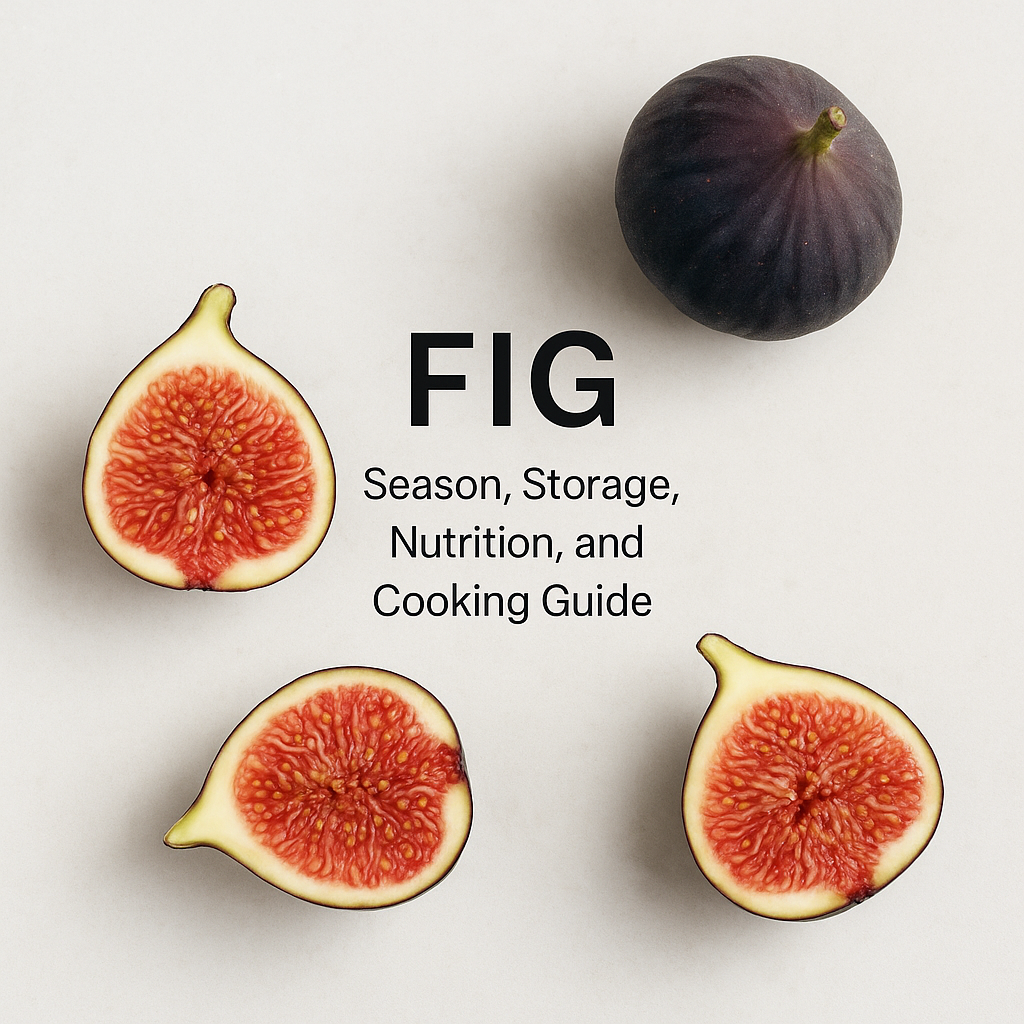
Figs are fruits that belong to the mulberry family. They are unique in the sense that the fruit is believed to be descended from a singular ancestor species. With a pear-like shape and ranging in color from purple, green, and black to yellow, figs have a distinctive tear-drop appearance. The skin can vary in thickness, while the interior is soft, often containing hundreds of tiny seeds that add a crunchy texture.
The flavor of figs can be described as honey-like with a hint of berry sweetness. The fragrant, syrupy nature makes them a popular ingredient in various culinary preparations from desserts to savory dishes.
💪 Benefits
Figs offer a host of nutritional benefits. They are a powerhouse of essential vitamins and minerals, including vitamin A, vitamin C, calcium, iron, and potassium. Additionally, figs are an excellent source of dietary fiber, which plays a key role in promoting digestive health.
The antioxidants present in figs support the immune system and help fight environmental stressors. These little fruits also have a role in maintaining skin health, owing to their nutrient-rich profile.
🌍 Origin
The history of figs is as rich and colorful as their flavor. Figs are believed to have originated from Western Asia and the Middle East. Archaeological evidence suggests that figs were among the first cultivated plants by humans, with mentions dating back to ancient times in the Mediterranean region.
Today, figs are grown in numerous parts of the world, including Greece, Italy, Turkey, and California. Their adaptability to warm climates has allowed them to flourish in various agricultural landscapes.
📅 Harvest Season
Figs have two fruiting seasons. The first, referred to as the "breba" crop, occurs in early summer. The more abundant main crop peaks between late summer and early fall, usually from late August through October.
Harvesting figs requires a delicate touch as they are fragile and bruise easily. To check for ripeness, the fruit should be plump and yield slightly under gentle pressure. A ripe fig will emit a pleasant aroma and may have a sweet droplet at the base.
🧺 Varieties
There are numerous varieties of figs, each offering a distinct taste and appearance. Some popular types include:
- Black Mission: Characterized by their deep purple skin and sweet, intense flavor.
- Brown Turkey: Known for their light purple to black skin and mild taste.
- Adriatic: Sporting a light green skin and pale pink interior, these figs are often used in fig bars.
- Kadota: These have a thicker green skin with a less sweet flavor, making them ideal for cooking.
🛒 How to Choose (Checklist)
When selecting figs, consider the following checklist to ensure the best quality:
- Look for figs that are plump and unblemished.
- Ensure that the fruits are soft to the touch without being mushy.
- Check for a sweet aroma, which indicates ripeness.
- Avoid figs with a sour smell, as this may indicate over-ripeness.
- Inspect for any signs of mold, especially around the stem.
🍽 Cooking & Eating Methods
Figs can be consumed fresh or dried, each providing distinct flavors and textures. Fresh figs are deliciously sweet and can be eaten as is, sliced into salads, or added to cheese platters. They can also be grilled, poached, or baked to enhance their natural sweetness.
Dried figs, on the other hand, are a concentrated source of sweetness, often used in baking or as a snack. Rehydrate them by soaking in water or juice for recipes that call for a softer texture.
In savory dishes, figs pair wonderfully with ingredients like goat cheese, prosciutto, and balsamic glaze. When cooked into compotes or jams, figs make a delightful spread for toast or an accompaniment to roasted meats.
❄ Storage Tips
Proper storage is key to preserving the delicate nature of figs. Fresh figs should be consumed soon after purchase, ideally within one to two days, for the best taste and texture. Store them in the refrigerator, loosely wrapped in paper or placed standing up on a plate to avoid bruising.
Dried figs have a much longer shelf life and can be stored at room temperature in an airtight container for several months. For extended storage, keep them in the fridge or freezer.
❓ FAQ
Q1: Are figs safe for individuals with allergies?
While figs are generally safe to consume, some individuals may experience allergic reactions. Those with a known latex allergy should exercise caution, as figs can cross-react with latex allergens.
Q2: Can figs be part of a weight management plan?
Figs are naturally sweet and high in fiber, which can promote a feeling of fullness. They can be included in a balanced diet but should be consumed in moderation due to their sugar content.
Q3: How can I use figs in desserts?
Figs add a natural sweetness to various desserts. They can be used in cakes, pies, tarts, or simply served with honey and nuts for a delightful treat. Figs also complement cheese in dessert platters, providing a delicious contrast.