🍓 Cloudberry: Season, Storage, Nutrition, and Cooking Guide
Cloudberries are a unique and often sought-after fruit known for their rarity and distinct flavor. These golden-orange berries are cherished in Scandinavian cuisine and are gaining popularity worldwide due to their unique characteristics and nutritional benefits. In this article, we will explore the distinct characteristics of cloudberries, their nutritional benefits, origins, harvest season, and how to best select, store, and use them in your culinary creations.
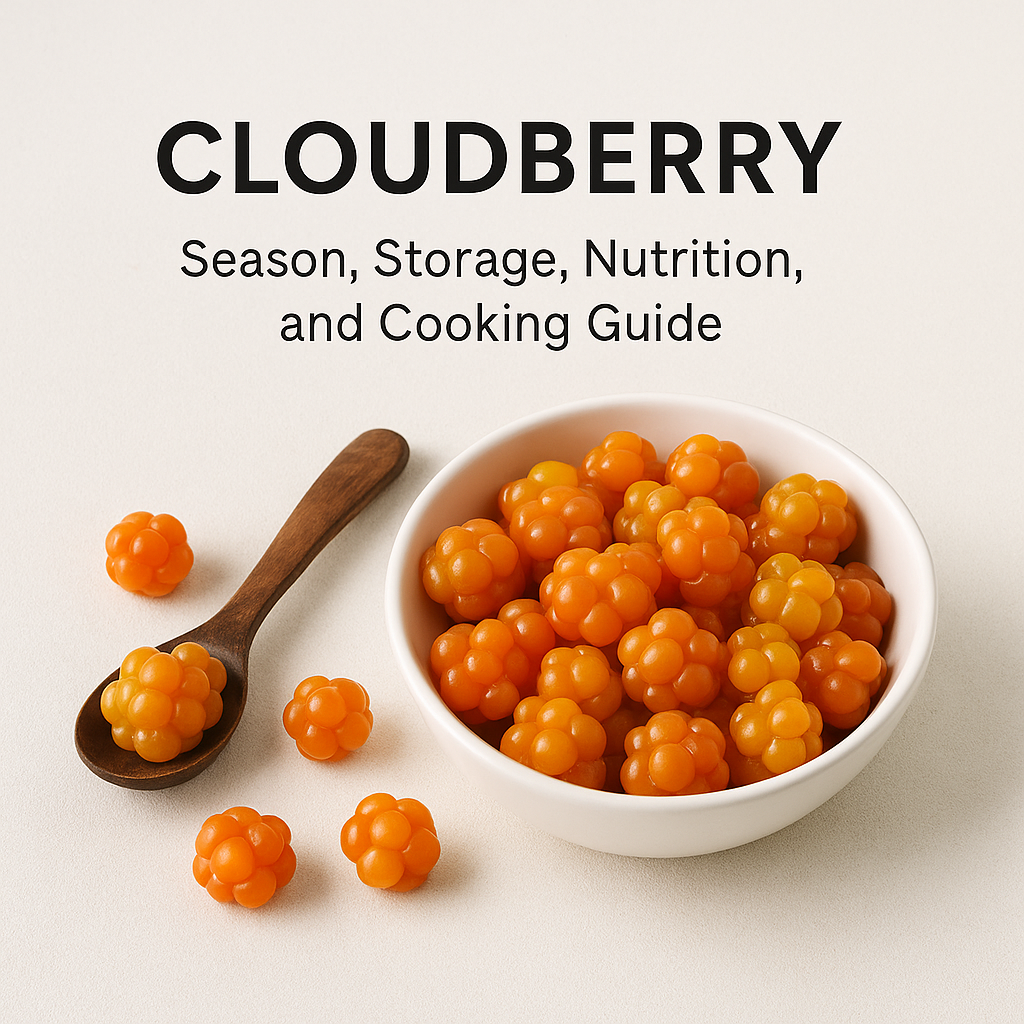
✨ Characteristics
Cloudberries, scientifically known as Rubus chamaemorus, are small, round berries that grow in colder climates. They thrive in wetland environments such as bogs and marshes. They have a delicate, tart, and slightly sweet flavor that is often compared to a combination of raspberries and red currants. Cloudberries are visually striking with their vibrant orange to yellow color, reminiscent of small, bumpy orbs.
💪 Benefits
Rich in vitamins and antioxidants, cloudberries offer various health benefits. They are a good source of vitamin C, providing a significant boost to the immune system. The berries are also packed with antioxidants, which help neutralize free radicals in the body, potentially reducing oxidative stress. Additionally, they contain essential dietary fibers that aid in digestion and promote a healthy gut environment.
🌍 Origin
Cloudberries are native to the Arctic and subarctic regions, including Scandinavia, parts of Russia, and North America. They have been a staple in the diets of Indigenous peoples for centuries, valued for their nutritional benefits and availability in harsh climates. Historically, cloudberries have been used in various ways, from fresh consumption to preservation in jams and liquors.
📅 Harvest Season
Cloudberries bear fruit during the short summer months, typically ripening between July and August. The precise timing can vary based on the specific region and climatic conditions. Due to their brief harvest period and the challenging conditions in which they grow, cloudberries are considered a delicacy and are often handpicked.
🧺 Varieties
Although there is primarily a single species of cloudberry, variations can occur based on the region of growth, influencing their size and flavor profile. Some distinguish between berries grown in northern Scandinavia versus those in North America, noting subtle differences in sweetness and tartness. However, the core characteristics of the fruit remain consistent.
🛒 How to Choose (Checklist)
Selecting the right cloudberries can enhance your culinary experience. Consider the following checklist when choosing cloudberries:
- Color: Look for berries that exhibit a rich golden to amber hue. Avoid those with greenish or overly dark shades.
- Firmness: Choose firm, plump berries, avoiding any that appear mushy or damaged.
- Smell: Fresh cloudberries should have a unique, slightly sweet aroma. Steer clear of berries with an off odor.
- Bruising: Inspect for bruises or blemishes, which might indicate poor handling or over-ripeness.
🍽 Cooking & Eating Methods
Cloudberries can be enjoyed in a variety of ways. They can be consumed fresh, often paired with dairy products like cream or yogurt to balance their tartness. They are frequently used in desserts, jams, and jellies, offering their unique flavor profile to a variety of dishes. In Scandinavian countries, cloudberry jam is a traditional accompaniment to reindeer meat or pancakes. For those interested in making cloudberry liquor, they can also be infused into spirits to create a unique flavor experience.
❄ Storage Tips
Due to their delicate nature, proper storage of cloudberries is crucial to maintaining their freshness. Here are some storage tips:
- Refrigeration: Store fresh cloudberries in the refrigerator in a breathable container to prevent excess moisture buildup.
- Freezing: For longer storage, spread berries on a baking sheet to freeze individually before transferring to an airtight container.
- Preservation: Consider making jams or jellies for extended preservation; the natural acidity in cloudberries helps preserve them naturally.
❓ FAQ
- Are cloudberries hard to find?
Due to their specific growing conditions and short season, cloudberries can be difficult to find outside their native regions, though specialty stores and online retailers may carry them. - Can I grow cloudberries at home?
Growing cloudberries at home can be challenging as they require specific conditions similar to their natural habitats, including acidic, peat-rich soil and cooler climates. - How do cloudberries taste?
Cloudberries have a tart yet slightly sweet flavor, often described as a mix of raspberry and red currant, providing a unique taste experience.