🍓 Chokeberry: Season, Storage, Nutrition, and Cooking Guide
Chokeberries, often recognized for their vibrant hues and tangy flavor, are a gem amongst the array of berries available today. Rich in nutrients and flavor, these berries are a boon for both culinary enthusiasts and health-conscious individuals. This guide provides a comprehensive look into the world of chokeberries, covering everything from their characteristics to the best storage techniques.
✨ Characteristics
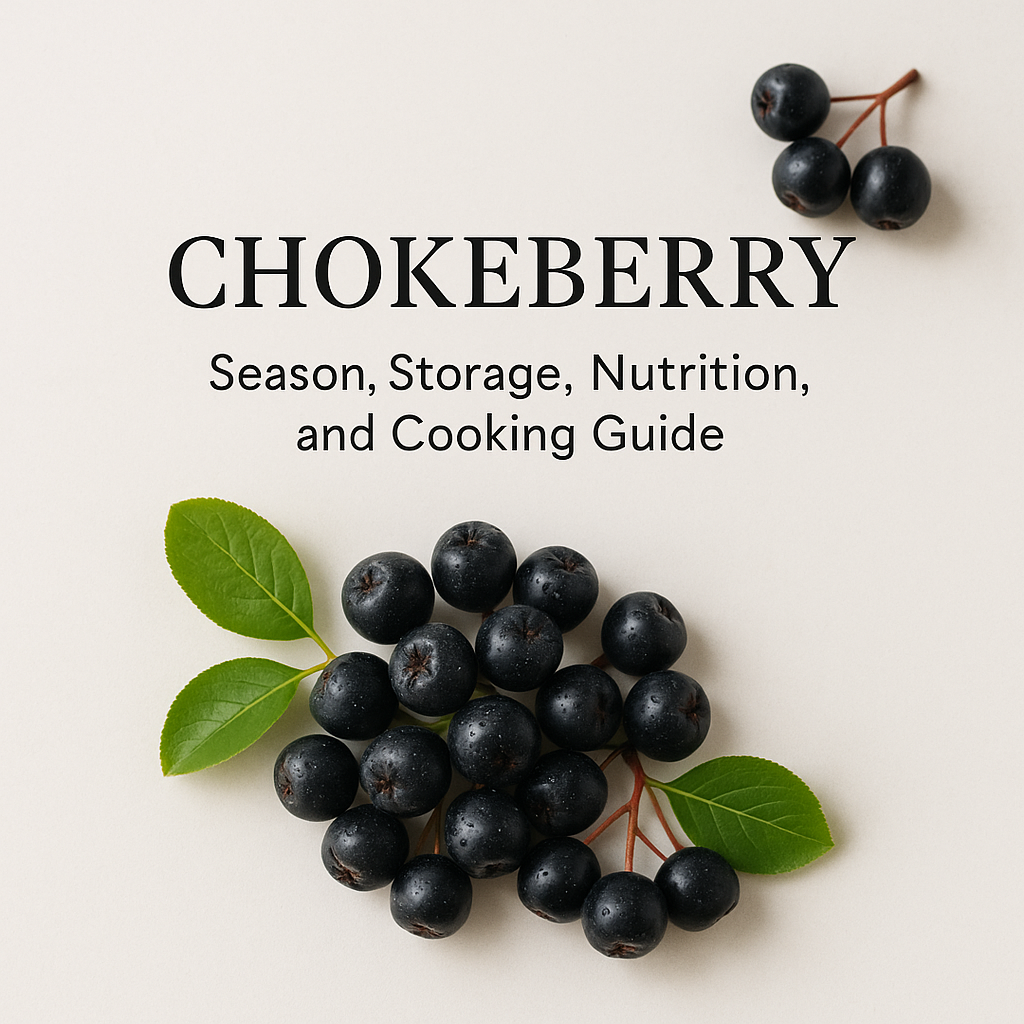
Chokeberries, belonging to the genus Aronia, are small, berry-like fruits that grow on shrubs. Typically, they range in color from dark purple to black when ripe. These berries are characteristically tart, offering a unique puckering effect, which is precisely why they are named "chokeberries." Despite their overwhelming astringency when eaten raw, chokeberries lend a delightful flavor to assorted food preparations.
Chokeberries are often confused with chokecherries, but the primary difference lies in their taste and botanical classification. Chokeberries are true berries, while chokecherries come from the Prunus genus. Known for their high tannin content, chokeberries are extraordinary in their ability to provide vibrant color and a complex flavor to culinary creations.
💪 Benefits
Chokeberries stand out not just for their flavor but also for their nutritional profile. Packed with antioxidants, particularly polyphenols, these small berries help combat oxidative stress in the body. While rich in vitamin C and fiber, they provide a natural source of various essential phytonutrients.
Including chokeberries in your diet might aid in supporting cardiovascular health due to their ability to enhance blood circulation. Furthermore, their high fiber content is beneficial for maintaining digestive health. These berries can be a cherished addition to a balanced diet, adding both nutritional and sensory benefits.
🌍 Origin
Chokeberries are primarily native to North America, where they thrive in the wild from eastern Canada to the southern United States. They grow abundantly in moist, open woodlands and wetland areas, where the shrubs can flourish undisturbed.
Historically, Native American tribes harvested chokeberries as a vital food resource, utilizing them in dried and preserved forms. Today, they are cultivated beyond North America in regions across Europe, where they are gaining popularity for their unique flavor and health benefits.
📅 Harvest Season
Chokeberries are typically harvested in late summer to early autumn, from August to October. The best time to pick chokeberries is when they achieve a deep, dark color but are still firm to the touch. Harvesting should be done carefully to ensure the berries remain intact, as they can bruise easily.
For the freshest flavor and highest nutritional value, it is recommended to consume or preserve chokeberries shortly after harvest. They can be stored frozen or processed into jams, jellies, or juices for long-term use.
🧺 Varieties
There are primarily three varieties of chokeberries: red (Aronia arbutifolia), black (Aronia melanocarpa), and purple (Aronia prunifolia). Each variety has distinct characteristics that make them suitable for different uses:
- Red Chokeberry (Aronia arbutifolia): Known for their bright red hue, red chokeberries are smaller and less tart compared to their counterparts. They are often used for ornamental purposes as well as for making juices and jellies.
- Black Chokeberry (Aronia melanocarpa): The most common variety, black chokeberries are renowned for their dark purple to black color and high antioxidant content. These are popular in nutritional supplements and health-focused recipes.
- Purple Chokeberry (Aronia prunifolia): A hybrid between red and black chokeberries, purple chokeberries offer a balance of sweetness and acidity, making them a versatile choice for a range of culinary applications.
🛒 How to Choose (Checklist)
When selecting chokeberries, follow these guidelines to ensure you pick the best quality:
- Look for berries that are plump and have a deep, consistent color, whether red, black, or purple.
- Avoid berries that are bruised or have signs of spoilage.
- Ensure the berries are firm and separate easily from the cluster; this indicates peak ripeness.
- Opt for organic or pesticide-free berries when possible to enjoy their full health benefits without exposure to chemicals.
🍽 Cooking & Eating Methods
While chokeberries can be eaten raw, their intense tartness often leads them to be cooked or processed before consumption. Here are some popular methods to enjoy chokeberries:
- Juices and Smoothies: Blend chokeberries with sweeter fruits like apples or bananas to create delicious and nutritious beverages.
- Jams and Jellies: The natural pectin content in chokeberries makes them ideal for making preserves that pair well with toast and pastries.
- Baked Goods: Incorporate chokeberries into muffins, pies, and bread for a burst of flavor and color.
- Salads: Add fresh chokeberries to salads for a tangy twist and visual appeal.
❄ Storage Tips
Proper storage is crucial to maintaining the freshness and extending the shelf life of chokeberries. Follow these storage tips:
- Refrigeration: Store fresh chokeberries in a breathable container in the refrigerator. This preserves their quality for up to two weeks.
- Freezing: To freeze, spread the berries in a single layer on a baking sheet to prevent clumping. Once frozen, transfer them to an airtight container or freezer bag. Frozen chokeberries can last for up to a year.
- Dehydration: Dry chokeberries using a dehydrator or a low-heat oven, then store them in airtight containers. Dried berries can be used in trail mixes or as a snack.
❓ FAQ (3 questions)
- Are chokeberries safe for children to eat?
Yes, when consumed in moderation, chokeberries are safe for children. However, due to their tartness, they may be more palatable when mixed with other fruits or sweeteners.
- Can chokeberries be used in savory dishes?
Absolutely! Chokeberries can be used to add depth to savory sauces, salad dressings, or as a complement to roasted meats.
- How do I know if chokeberries are bad?
Chokeberries that are mushy, have an off smell, or show signs of mold should be discarded as they may no longer be safe to consume.