🍓 Calamansi: Season, Storage, Nutrition, and Cooking Guide
Calamansi, also known as Philippine lime or calamondin, is a small, sour fruit beloved for its vibrant flavor and aromatic zest. Though sometimes underappreciated, calamansi has a multitude of culinary uses, nutritional benefits, and a rich history that enhances its standing in the culinary world. This article sheds light on the characteristics, benefits, origin, and various aspects of utilizing calamansi in your kitchen.
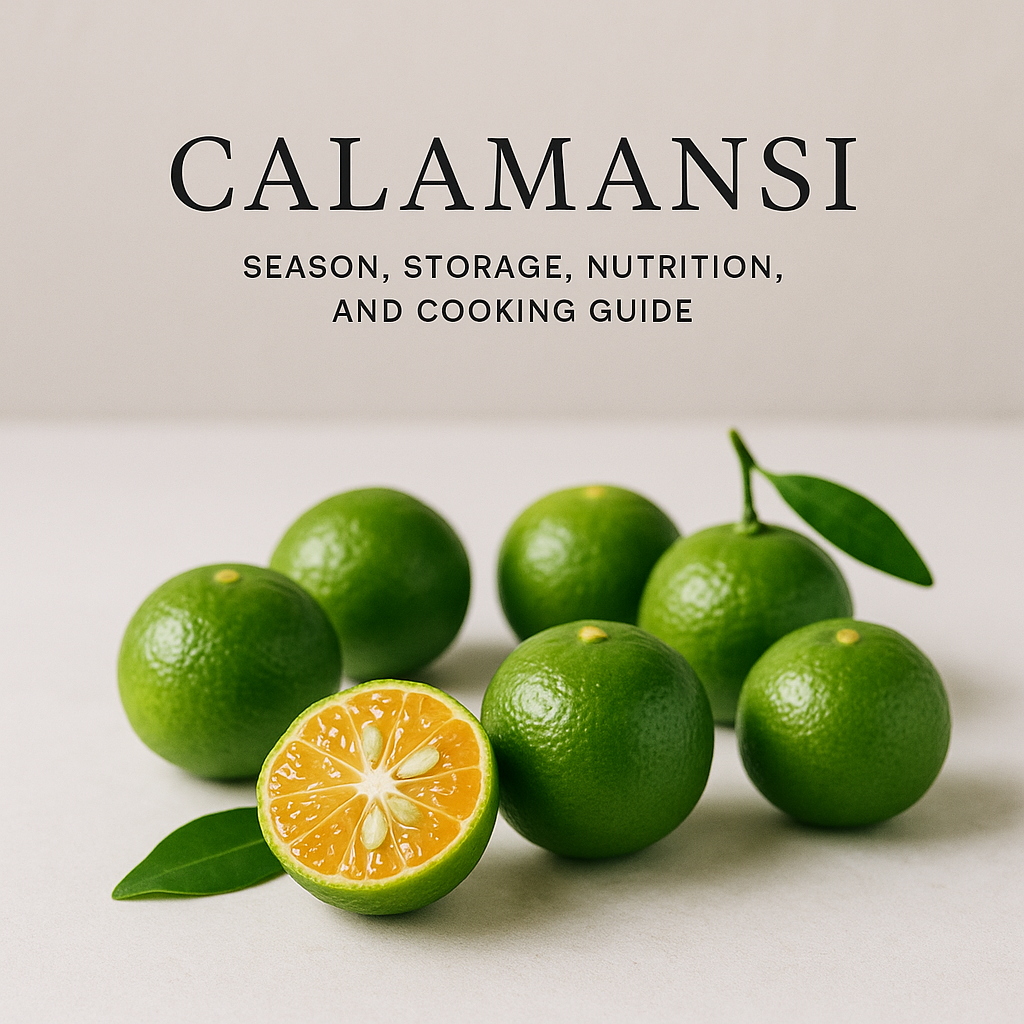
✨ Characteristics
The calamansi fruit is a small, round citrus hybrid predominantly found in Southeast Asia. It resembles a lime, but can range in color from deep orange to bright green. The skin is thin, and when ripe, these fruits are sweet-smelling and slightly softer than an unripe specimen.
The pulp is highly acidic, often likened to the tartness of a lemon, but carries a unique aromatic profile that distinguishes it from other citruses. This complexity of flavors makes calamansi an exciting addition to numerous dishes, offering a sour kick complemented by fleeting sweetness. While the zest is less frequently used than that of lemons or oranges, the juice is a popular ingredient in regional cuisine.
💪 Benefits
Calamansi is a powerhouse of essential vitamins and nutrients. Most notably, it is rich in Vitamin C, which is well-known for its antioxidant properties and role in supporting the immune system. Regular consumption of Vitamin C-rich foods can aid in maintaining overall health, but it's crucial to consume a balanced diet full of various nutrients for overall wellness.
Beyond Vitamin C, calamansi contains other vitamins like Vitamin A and compounds such as flavonoids, which contribute to its antioxidant capacities. These can help in fighting oxidative stress, though it's essential to focus on a varied diet for comprehensive nutritional benefits.
🌍 Origin
Calamansi is thought to have originated in the Philippines, where it plays a central role in numerous traditional recipes. Its introduction is traced back to ancient trading routes, and since then, it has spread across other countries in Southeast Asia, notably Malaysia and Indonesia.
Over time, this citrus fruit found its way to regions in the United States via immigrant communities, particularly in Florida and California, where it thrives in subtropical conditions.
📅 Harvest Season
Calamansi trees are quite unique in that they can bear fruit year-round. However, there is often a significant peak in the harvests of this fruitful tree. In tropical climates, calamansi is typically harvested in the later part of the wet season, drawing from the richer soil and abundant rainfall.
In regions where the climate is less consistent, such as in areas where calamansi is grown outside its native tropical environment, the fruit may be harvested seasonally, depending on how regional climate patterns align with its growth needs.
🧺 Varieties
While the term "calamansi" generally refers to a single type of fruit, there are slight regional variations that can change the fruit's flavor and appearance:
- Philippine Calamansi: The most commonly encountered variety, noted for its small size and intensely sour juice, which is frequently used in Philippine cuisine.
- Variegated Calamondin: A cultivated variety often grown as an ornamental plant in the United States, this type displays unique, variegated leaves and fruits that are slightly sweeter and less acidic.
🛒 How to Choose (Checklist)
When selecting calamansi from the market, use this checklist to ensure you pick the best fruits:
- Look for fruits with firm skin that yield slightly to pressure.
- Choose fruits with a uniform, bright green or vibrant orange color with no blemishes.
- Avoid any that feel too soft or show signs of mold, especially near the stem.
- The fruit should have a noticeable, fresh citrus aroma.
🍽 Cooking & Eating Methods
Calamansi’s intense tart profile makes it a versatile ingredient in culinary applications. From savory dishes to sweet, here’s how you can incorporate this citrus fruit into your cooking:
- As a Flavor Enhancer: Use calamansi juice to marinate meats, fish, and poultry. The acidity helps tenderize meat while infusing it with a unique citrus aroma and taste.
- In Beverages: A popular use of calamansi is in refreshing drinks. Simply mix the juice with water and some sugar for calamansiade—a less sweet alternative to lemonade.
- Desserts: Add calamansi zest and juice to puddings, pie fillings, and custards to give them a bright citrusy note.
- Dressing and Sauce: Incorporating calamansi juice into dressings and dipping sauces adds a fresh dimension of flavor that pairs well with both salads and fried foods.
❄ Storage Tips
Proper storage is key to retaining the freshness and flavor of calamansi. Here are some tips:
- Short-term Storage: If planning to use within a week, store them in a cool, humid environment. The crisper drawer of your refrigerator is ideal.
- Long-term Storage: For extending freshness, calamansi can be frozen. Simply juice the fruits and pour the juice into ice-cube trays, or freeze whole fruit directly in a sealed bag after ensuring they are moisture-free.
- Preserving Flavor: Alternatively, prepare calamansi-based jellies or preserves; this method not only extends shelf life but also concentrates the essence of the citrus.
❓ FAQ
Here are answers to common questions about calamansi:
- What does calamansi taste like?
Calamansi has a sour and tart flavor, similar to a combination of lemon and lime, but with unique aromatic notes that lend it an exotic twist. - Can I substitute calamansi with another citrus fruit?
For a similar flavor profile, you can use a mix of lime and a touch of orange zest, although the exact flavor nuance is difficult to replicate. - Is calamansi only found in Asian dishes?
While prolific in Asian cuisine, particularly Filipino dishes, calamansi's versatility allows it to be incorporated into a wide array of international recipes, from dressings and marinades to desserts and drinks.