🍓 Breadfruit: Season, Storage, Nutrition, and Cooking Guide
Breadfruit is a versatile tropical fruit that is well-known for its many culinary uses and nutritional benefits. Commonly found in tropical regions, breadfruit is not only a staple food in various cultures but also an intriguing addition to global cuisine. This guide explores the essential aspects of breadfruit, including its harvest season, varieties, nutritional profile, and cooking methods. Whether you're a curious food enthusiast or someone looking to diversify their diet, breadfruit might just be the perfect ingredient for your next culinary adventure.
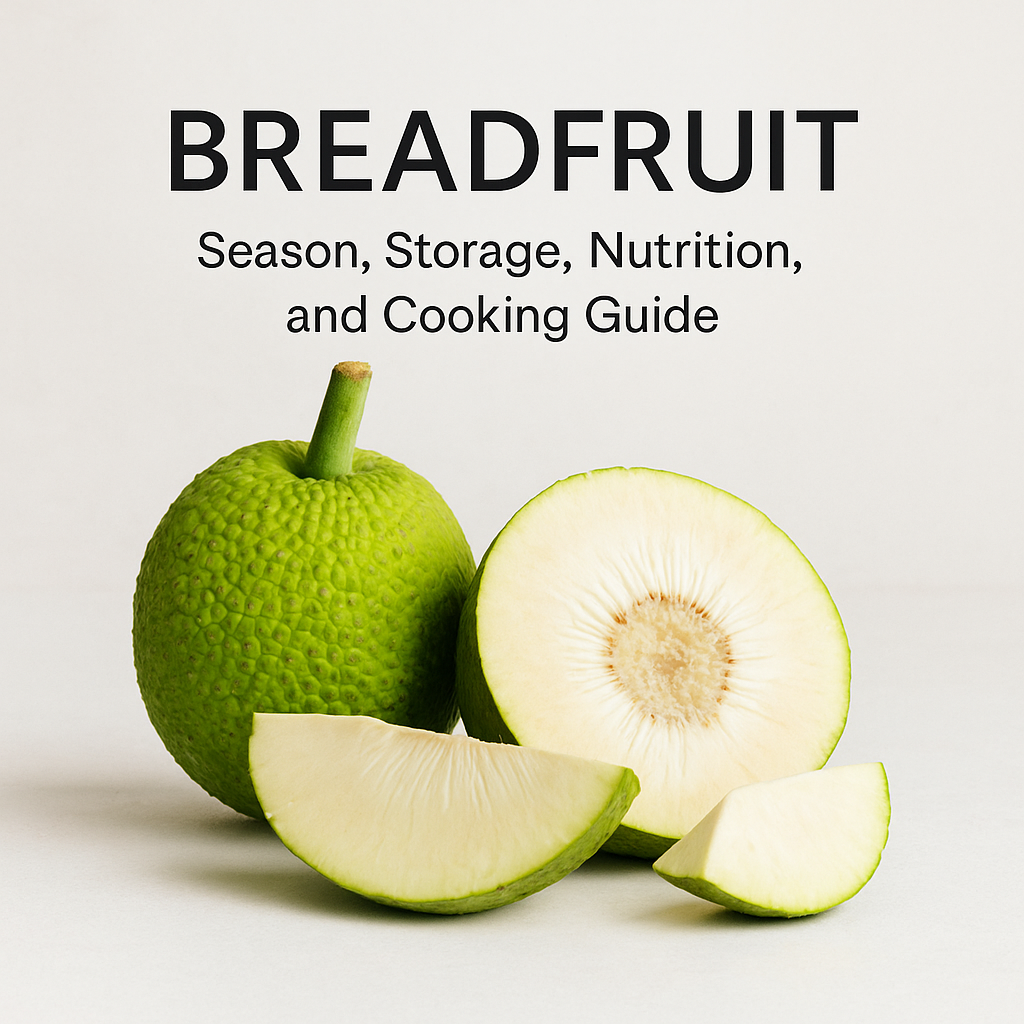
✨ Characteristics
The breadfruit is a member of the mulberry family and is known for its distinctive round or oblong shape, generally measuring up to 12 inches in diameter. The skin is typically green to yellow-green, with a pebbled texture. Beneath its thick skin lies a starchy interior that turns creamy white to pale yellow when fully ripe. When cooked, breadfruit resembles potatoes in texture and flavor, earning its name due to its dough-like consistency when baked or roasted.
💪 Benefits
Breadfruit offers a range of nutritional benefits that make it an excellent addition to a balanced diet. It is rich in carbohydrates and is a good source of energy. Additionally, it contains essential vitamins and minerals such as vitamin C, potassium, calcium, and magnesium. Breadfruit is rich in dietary fiber, which aids digestion and contributes to a feeling of fullness. Moreover, it has a low fat content, making it a healthy alternative to some calorie-dense foods.
🌍 Origin
Breadfruit originated in the Indo-Malay region and was later spread to the Pacific Islands over 3,000 years ago. This fruit became a staple food in many island cultures, providing a reliable source of nourishment through different seasons. During the late 18th century, English Captain William Bligh took the plant from Tahiti to the Caribbean, where it became integrated into local agriculture and culture. Today, breadfruit is grown in more than 90 countries.
📅 Harvest Season
The breadfruit harvest season can vary based on geographical location and specific varieties. In many tropical regions, the peak season usually occurs when the temperature and environmental conditions are optimal for growth. For example, in Hawaii, the harvesting period occurs twice a year, once from July to November and again from February to May. It's crucial to pick breadfruit during the right stage of ripeness for maximum flavor and utility in various recipes.
🧺 Varieties
Breadfruit comes in several varieties, each with its distinct flavor, size, and texture. Some of the most popular types include:
- Ma‘afala: Known for its small to medium size, this variety is popular for its sweet, nutty taste and is well-suited for both boiling and baking.
- Ulu: This is one of the most common varieties, characterized by its larger size and firm, starchy texture ideal for roasting.
- Puaa: Recognizable by its larger fruit size and rough skin, Puaa is known for its versatile cooking properties.
🛒 How to Choose (Checklist)
When selecting breadfruit, the following checklist can be useful:
- Check the skin for a consistent green to yellow-green color, without too many blemishes or dark spots.
- Firmness is a good indicator; it should feel moderately firm to the touch.
- Look for natural sap oozing from the surface, which is a sign of ripeness.
- Avoid fruits with an overly pungent smell or visible fermentation signs.
🍽 Cooking & Eating Methods
Breadfruit's versatility allows it to be incorporated into a variety of dishes. Here are some popular methods of preparing breadfruit:
- Baking: Whole breadfruit can be baked directly in an oven until the flesh turns soft and doughy.
- Roasting: Cut the breadfruit into wedges and roast to bring out a smoky, nutty flavor perfect for dipping sauces.
- Boiling: Peel and cut the fruit into chunks before boiling, traditionally served with stews or as part of a salad.
- Frying: Slices of breadfruit can be fried to make chips or fritters, which are delicious snacks or accompaniments.
❄ Storage Tips
Proper storage of breadfruit can help prolong its freshness and usability:
- For short-term storage, keep the unripe fruit at room temperature, allowing it to ripen naturally.
- Once ripe, store the fruit in the refrigerator to prevent over-ripening and spoilage.
- For longer storage, breadfruit can be peeled, sliced, and frozen. Before freezing, blanch the slices to preserve color and texture.
❓ FAQ
- Can breadfruit be eaten raw?
While technically edible, it's not recommended to eat breadfruit raw due to its dense and starchy texture. Cooking enhances its taste and digestibility.
- Is breadfruit gluten-free?
Yes, breadfruit is a naturally gluten-free food, making it an excellent alternative for those with gluten sensitivity or celiac disease.
- What are some culinary pairings with breadfruit?
Breadfruit pairs well with a variety of ingredients including coconut milk, curry spices, meats, and seafood, providing a rich base for savory dishes.