🍓 Blueberry: Season, Storage, Nutrition, and Cooking Guide
Blueberries, with their vibrant hue and delightful taste, have captivated the hearts and palates of many. Known for their versatility and nutritious profile, these small berries are not just a treat but a healthy addition to any diet. In this comprehensive guide, we'll explore everything about blueberries - from their characteristics and benefits to how best to store and enjoy them.
✨ Characteristics
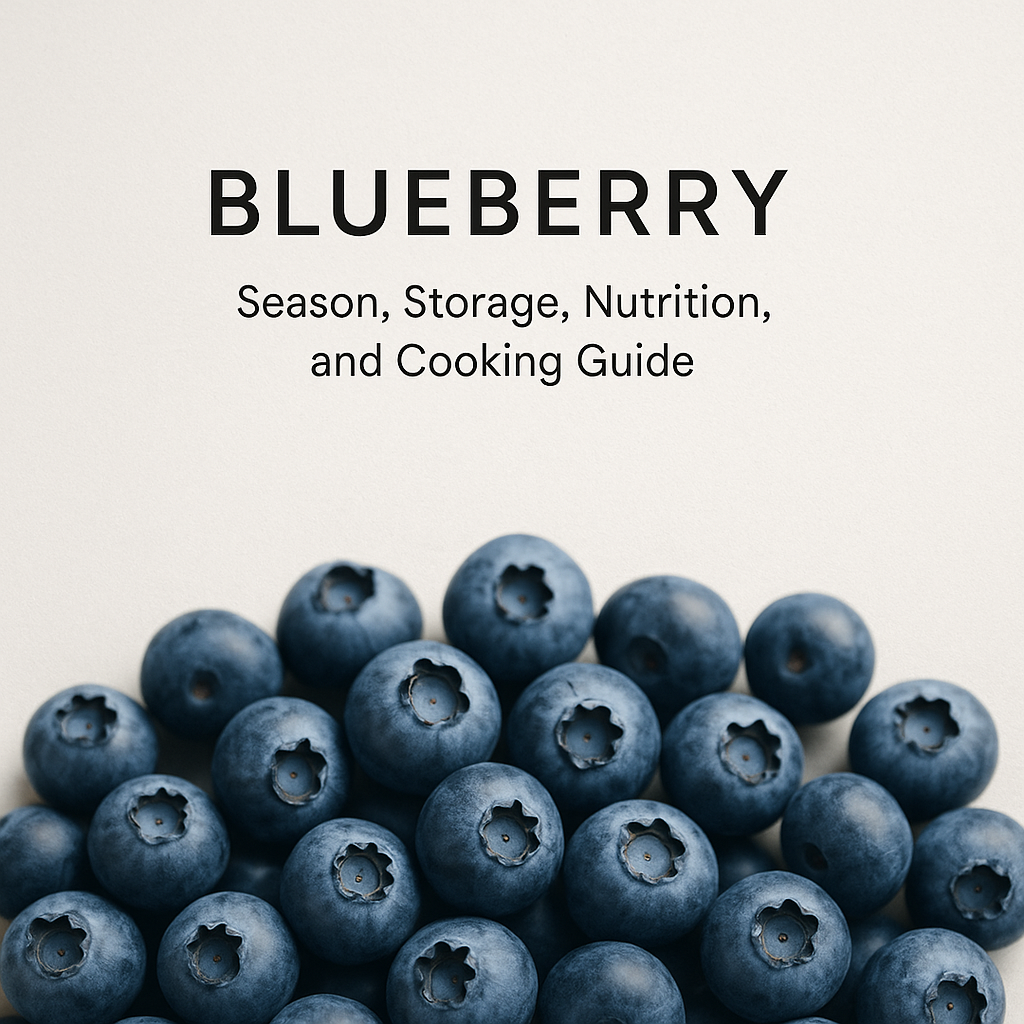
Blueberries belong to the genus Vaccinium and are part of the family Ericaceae. Characteristically, they are small, round berries with a diameter of about 5-16 mm and feature a flared crown at the end. They are known for their deep blue to purple color, which is primarily due to the presence of anthocyanins. These berries have a sweet to tart flavor profile, making them an excellent addition to both sweet and savory dishes.
💪 Benefits
Blueberries are lauded for their high nutrient content and associated health benefits. They are a low-calorie source of essential nutrients, including vitamins C and K, manganese, and fiber. Regular consumption of blueberries is thought to support heart health, improve brain function, and aid digestion. Moreover, their rich antioxidant content helps combat oxidative stress and may reduce the risk of chronic diseases.
🌍 Origin
Blueberries are native to North America, with their history tracing back thousands of years. Indigenous peoples valued them both as a food source and for their medicinal properties. Today, blueberries are cultivated around the world, with major production occurring in the United States, Canada, Europe, and Asia. The variety typically dictates the region where they grow best, with wild, lowbush, and highbush blueberries being the most common types.
📅 Harvest Season
The harvest season for blueberries can vary based on the type and geographical location. Generally, in most northern hemisphere regions, blueberries are harvested from April through September. Southern climates may see an earlier harvest due to warmer temperatures. The peak season typically occurs in July, often celebrated as National Blueberry Month in the United States.
🧺 Varieties
Blueberries are categorized based on their growth habit into several varieties:
- Highbush Blueberries: These are the most common cultivated variety and are extensively grown in North America and around the world.
- Lowbush Blueberries: Often referred to as "wild blueberries," they are smaller and more intense in flavor compared to their highbush counterparts.
- Rabbiteye Blueberries: Native to the southeastern United States, they thrive in warmer climates.
🛒 How to Choose (Checklist)
Selecting the best blueberries involves looking for certain signs of quality. Here's a handy checklist to guide your purchase:
- Choose firm, plump blueberries with a uniform deep blue color.
- Avoid berries that appear shriveled or have soft spots as these may be signs of aging or damage.
- Look for a silver-like sheen on the berry's surface, indicating freshness.
- Smell the berries; they should have a sweet, fruity aroma.
- Check the container for signs of juice stains or leakage, which can indicate mash or overripe fruit inside.
🍽 Cooking & Eating Methods
Blueberries are incredibly versatile in the kitchen and can be enjoyed fresh, frozen, or dried. Here are some popular methods for enjoying blueberries:
- Raw: Simply rinse and pop them fresh into your mouth or use them to top cereal, yogurt, or salads.
- Baked Goods: Incorporate them into muffins, pies, pancakes, or scones for a burst of fruity flavor.
- Preserves: Make blueberry jam, jelly, or compote to enjoy their flavor all year long.
- Frozen Delights: Blend them into smoothies or use them as a topping for ice cream.
- Sauces: Cook them down with sugar and lemon to create a lovely sauce for meats or desserts.
❄ Storage Tips
Proper storage is key to maintaining the freshness and flavor of blueberries. Follow these tips to keep your berries at their best:
- Refrigerate unwashed blueberries in a breathable container. Ensure they are used within 10 days for optimal freshness.
- For longer storage, freeze blueberries. First, rinse and dry them thoroughly, then spread them on a baking sheet to freeze individually before transferring them into a sealed container.
- Avoid washing berries until you are ready to use them, as moisture can accelerate spoilage.
❓ FAQ
Here are some frequently asked questions about blueberries:
- Can I eat blueberries every day? Yes, blueberries are safe to consume daily and can be a beneficial part of a balanced diet.
- Is there a difference between wild and cultivated blueberries? Wild blueberries are smaller, have a more intense flavor, and often contain more antioxidants than their cultivated counterparts.
- How can I incorporate blueberries into savory dishes? Blueberries can be a delightful addition to salads, salsas, or sauces for meats, where their natural sweetness complements savory flavors well.