🍓 Bilberry: Season, Storage, Nutrition, and Cooking Guide
In the world of berries, the often-overlooked bilberry stands out for its rich flavor and nutritional value. While they may resemble blueberries, bilberries have their own distinct charm and qualities. This comprehensive guide will walk you through everything there is to know about bilberries, including their characteristics, benefits, origin, and various culinary applications.
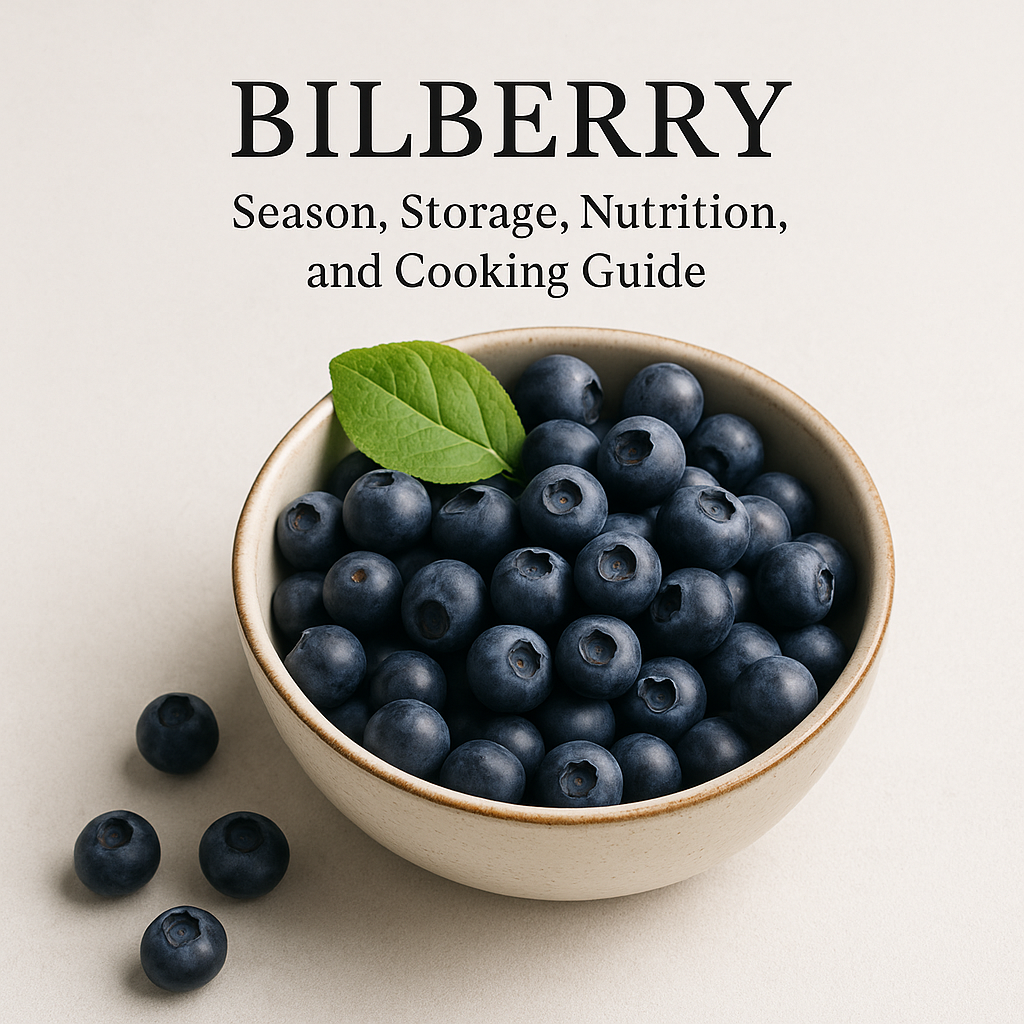
✨ Characteristics
Bilberries, known scientifically as Vaccinium myrtillus, are small, dark berries native to Europe. They are often confused with blueberries due to their similar appearance, but bilberries are typically smaller, softer, and darker than their more common counterparts. The flesh of a bilberry is intensely purple and packed with flavor. Their tartness is more pronounced, offering a distinct taste that is both sweet and slightly acidic.
💪 Benefits
Bilberries offer a wealth of nutritional benefits. They are low in calories yet rich in antioxidants, which play a vital role in protecting the body from oxidative stress. Furthermore, they contain significant amounts of vitamin C, vitamin K, and dietary fiber. These nutrients collectively support immune function, promote healthy digestion, and enhance blood clotting and bone health. In addition, the antioxidants in bilberries may contribute to overall cellular health, providing potential long-term benefits.
🌍 Origin
The bilberry primarily grows in the wild across northern Europe, particularly in Scandinavia, the British Isles, and northern parts of Asia and North America. These berries thrive in nutrient-poor, acidic soils and are often found in forests and heathlands. Due to their regional specificity and growth conditions, bilberries are less commonly available in commercial markets compared to cultivated blueberries.
📅 Harvest Season
The harvest season for bilberries is relatively short and typically occurs between July and September. During these months, enthusiastic foragers often venture into the woods to gather these tasty fruits. When picking wild bilberries, it's crucial to ensure that foraging is permitted in the area and to follow sustainable practices to preserve the natural environment.
🧺 Varieties
While the term "bilberry" most often refers to Vaccinium myrtillus, several other varieties bear resemblance and can sometimes be confused with bilberries. These include the American huckleberry and the bog bilberry, each having unique characteristics and slightly different growing conditions. Despite these differences, all belong to the same Vaccinium genus and share similar properties in terms of nutrition and culinary use.
🛒 How to Choose (Checklist)
- Color: Look for deep blue to almost black berries. The darker the berry, the richer its anthocyanin content.
- Texture: Choose firm, plump berries without any shriveling or signs of softness.
- Surface: A smooth, dry surface with a matte finish indicates freshness. Avoid berries with wetness or mushiness.
- Aroma: Fresh bilberries should have a sweet, fragrant smell.
- Container: Inspect the container for signs of juice stains, which may indicate overripe or damaged berries.
🍽 Cooking & Eating Methods
Bilberries are incredibly versatile in the kitchen. They can be eaten raw, like a fresh fruit snack, or incorporated into a variety of culinary creations:
- Pies and Tarts: Bilberries make a delightful filling for pies and tarts, providing a balance of sweetness and tartness.
- Jams and Preserves: These berries are excellent for making jams, jellies, and preserves due to their high pectin content.
- Smoothies: Add a handful of bilberries to your morning smoothie for a burst of flavor and nutrition.
- Salads: A sprinkle of fresh bilberries can elevate a summer salad with their unique taste and color.
- Baked Goods: Incorporate bilberries into muffins, pancakes, or scones for a tasty treat.
❄ Storage Tips
To maximize the shelf life of bilberries, careful storage is essential. After purchasing or picking, gently wash the berries in cool water and pat them dry. Store them in the refrigerator in a breathable container lined with paper towels to absorb excess moisture. For longer preservation, bilberries can be frozen. Spread them in a single layer on a baking sheet, freeze, and then transfer to a resealable plastic bag. Stored this way, they can last for up to six months.
❓ FAQ
1. Are bilberries and blueberries the same?
While bilberries and blueberries belong to the same botanical family, they are distinct species with different characteristics. Bilberries are smaller, darker, and more intensely flavored compared to cultivated blueberries.
2. Can bilberries be eaten raw?
Yes, bilberries can be eaten raw. They offer a delicious tart-sweet flavor when fresh and are suitable for snacks, salads, or as a topping for cereals and yogurt.
3. Where can I buy bilberries?
Due to their specific growing requirements, bilberries are usually found in specialty grocery stores, farmers' markets, or health food stores, particularly in regions where they are native. They can also be foraged in the wild during the harvest season.