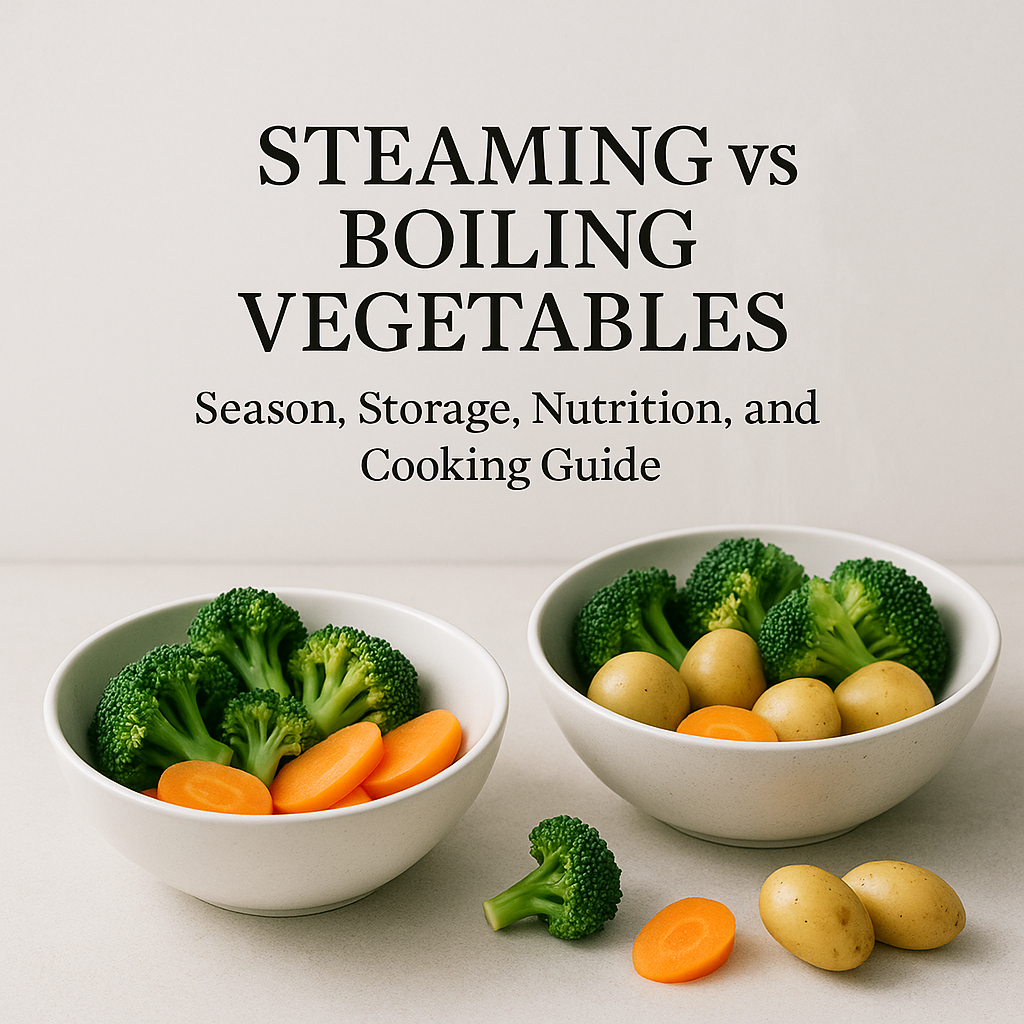
🍓 Steaming vs Boiling Vegetables: Season, Storage, Nutrition, and Cooking Guide
In the realm of culinary methods, steaming and boiling stand out as two popular techniques for cooking vegetables. Each method offers its unique approach to enhancing the flavor, texture, and nutritional value of various veggies. This comprehensive guide will explore the distinct characteristics and benefits of steaming and boiling, delve into the origins of these cooking methods, and provide valuable insights on the best practices for selecting, cooking, and storing your vegetables.
✨ Characteristics
Both steaming and boiling involve the application of heat to vegetables using water, but they differ significantly in their execution and impact on the vegetables. Steaming is a method where vegetables are cooked using steam generated from boiling water, meaning they don't come into direct contact with the water. This process tends to be gentler, preserving the vegetable's color, flavor, and nutritional value.
Boiling, on the other hand, involves submerging vegetables in hot water. This method is typically faster and can lead to softer textures. However, it carries the potential downside of nutrient loss, as some vitamins and minerals can leach into the water.
💪 Benefits
Both steaming and boiling have their own set of benefits. Steaming is celebrated for retaining the natural flavors, textures, and nutrients of vegetables. Minimal contact with water helps in preserving water-soluble vitamins like vitamin C and B-vitamins.
Boiling allows for faster cooking, which can be advantageous for those pressed for time. It also effectively softens fibrous vegetables, making them easier to digest. Additionally, boiling can enhance the absorption of some phytonutrients found in certain vegetables.
🌍 Origin
The origins of steaming and boiling trace back centuries, with both methods being integral to numerous cultural cuisines. Steaming has roots in Asian culinary traditions, where bamboo steamers have long been used to gently cook an array of foods, preserving their essence. Boiling, on the other hand, has been a staple across various global cuisines, known for its versatility in preparing both plant-based and animal-derived dishes.
📅 Harvest Season
Understanding the harvest season for various vegetables can enhance the success of your steaming or boiling endeavors. Typically, vegetables such as asparagus, peas, and spinach thrive in spring, offering fresh, tender options for steaming. In summer, consider vibrant options like zucchini, tomatoes, and green beans. Fall is ideal for hearty vegetables like broccoli, Brussels sprouts, and carrots. Winter invites the robust flavors of root vegetables such as turnips and parsnips.
🧺 Varieties
The variety of vegetables available for steaming and boiling is vast, and each offers unique flavors and textures. Common choices for steaming include broccoli, cauliflower, and leafy greens, which benefit from the gentler cooking method. Boiling is great for starchy vegetables like potatoes, corn, and beets, where the immersion in water can help soften their denser textures.
🛒 How to Choose (Checklist)
Selecting the right vegetables is paramount for achieving the best results. Here’s a handy checklist to guide you:
- Freshness: Choose vegetables that are firm, vibrant in color, and free from blemishes or spots.
- Seasonality: Opt for vegetables that are in-season for more flavorful and nutrient-rich options.
- Weight: Heavier vegetables often indicate freshness and water content.
- Organic Options: When possible, select organic vegetables to minimize exposure to pesticides.
- Local Sourcing: Buy from local farmers' markets to ensure freshness and support sustainable practices.
🍽 Cooking & Eating Methods
When it comes to cooking and eating vegetables, both steaming and boiling provide versatile methods. Steaming is ideal for vegetables you want to keep slightly firm and flavorful. Arrange vegetables in a single layer in a steaming basket without overcrowding, and steam just until tender to the fork.
Boiling is excellent for creating soft, mash-able textures, which makes it perfect for preparing soups, stews, or purees. Always start with cold water to ensure an even cooking process by the time the water boils. Don’t forget to save the nutrient-rich cooking water for stocks or soups to maximize nutritional benefits.
❄ Storage Tips
Proper storage extends the life of your vegetables, maintaining their quality and nutritional value. For steamed or boiled vegetables, allow them to cool before storing in airtight containers to preserve moisture. Refrigerate them promptly and consume within 3-5 days for optimal freshness.
Some vegetables can be blanched (quickly boiled and then cooled) before freezing to lock in their colors and nutrients, ensuring they retain their quality once defrosted. Ensure all vegetables are thoroughly washed and dried before storage to prevent spoilage.
❓ FAQ
Q1: Can I mix vegetables when steaming or boiling?
A1: Yes, you can. Just ensure that the vegetables have similar cooking times to maintain even cooking. Alternatively, you can start with longer-cooking vegetables and add the quicker-cooking ones midway.
Q2: Is one method healthier than the other?
A2: Both methods are healthy, but steaming is generally considered superior for nutrient preservation. However, whichever method you choose, incorporating a variety of vegetables into your diet is the key to a balanced intake of nutrients.
Q3: How can I enhance the flavor of steamed or boiled vegetables?
A3: You can enhance flavors by seasoning the cooking water with herbs, adding a splash of lemon juice, or using a light drizzle of olive oil and a sprinkle of fresh herbs post-cooking.