🍓 Simple Vegetable Recipes: Season, Storage, Nutrition, and Cooking Guide
Vegetables are a cornerstone of a balanced diet, known for their vibrant colors, diverse textures, and rich nutrients. When it comes to incorporating them into your meals, understanding their characteristics, benefits, and the best ways to handle and prepare them can significantly enhance both the flavor and nutritional value of your dishes. This comprehensive guide delves into the world of vegetables—from their inherent traits to handy cooking and storage tips, ensuring you make the most out of these gifts of nature.
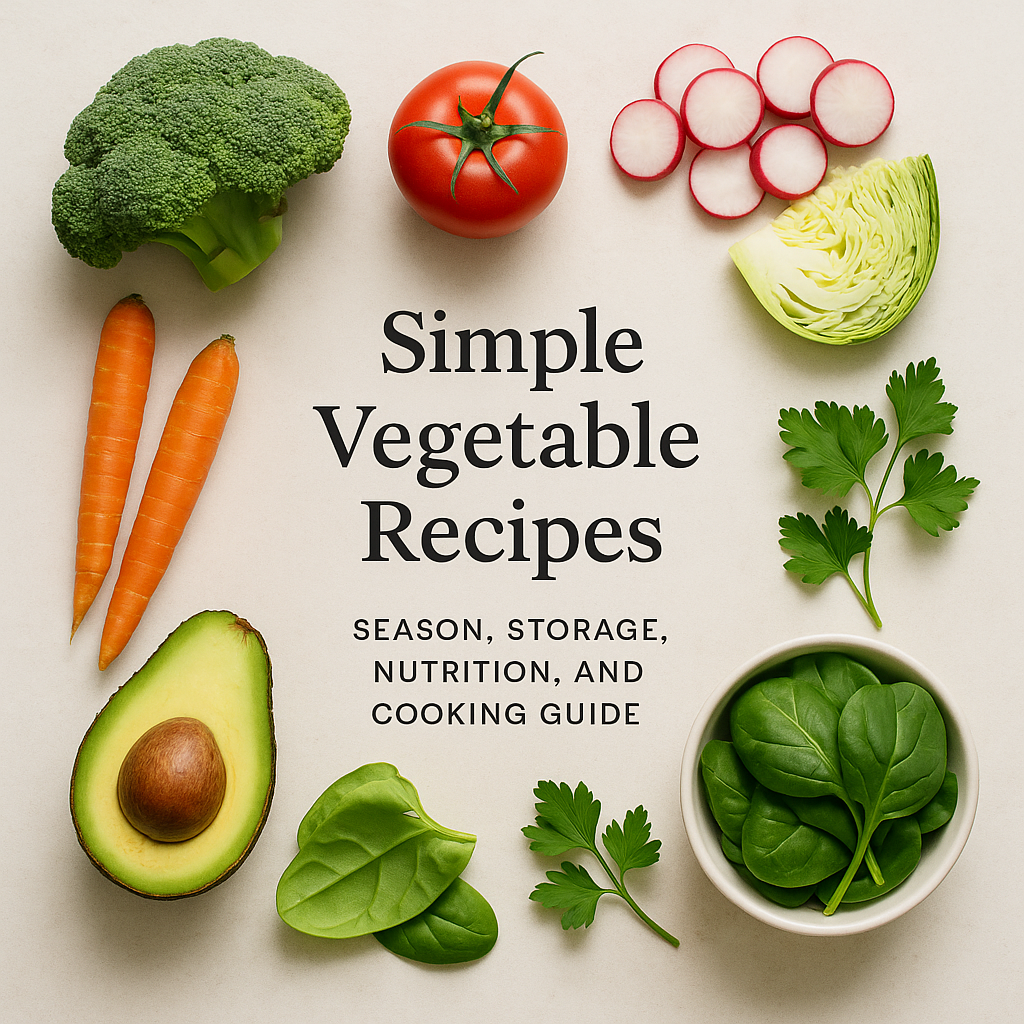
✨ Characteristics
Vegetables come in an astounding variety of shapes, sizes, colors, and flavors. They can be classified into several categories based on the part of the plant they come from, such as roots (carrots, beets), stems (asparagus, celery), leaves (lettuce, kale), bulbs (onions, garlic), and flowers (broccoli, cauliflower). Each category offers unique characteristics that affect how they should be stored, cooked, and consumed.
The vibrant colors of vegetables are not just visually appealing; they also signify the presence of specific phytonutrients. For example, the rich orange of carrots indicates high levels of beta-carotene, which is convertible into vitamin A. These characteristics are essential for not just culinary purposes, but also for maximizing health benefits.
💪 Benefits
Vegetables are powerhouses of essential vitamins, minerals, dietary fiber, and antioxidants, contributing to overall health and wellbeing. The high fiber content aids in digestion, helps maintain a healthy weight, and reduces the risk of diseases like heart disease and diabetes. The antioxidants found in vegetables help combat oxidative stress in the body, potentially decreasing the risk of chronic illnesses.
Moreover, vegetables are generally low in calories, making them an ideal component for those seeking to manage their weight. By adding a variety of vegetables to your diet, you can ensure a broad range of nutrients necessary for optimal bodily function, such as potassium, folate, and vitamin C.
🌍 Origin
The history of vegetables is as diverse as the plants themselves. Many staple vegetables have origins that date back thousands of years and have traveled around the globe, adapting to various climates and integrating into numerous cultural cuisines. For instance, potatoes were first cultivated in the Andes region of South America and later spread to Europe.
Each vegetable has its unique story, influenced by the migration and trade routes of ancient civilizations. This rich tapestry of history not only affects the availability of certain vegetables in specific regions but also influences the way they are prepared and consumed culturally.
📅 Harvest Season
Understanding the harvest season of vegetables can greatly enhance your cooking experience by ensuring freshness and flavor. Seasonal vegetables are typically harvested at their peak, meaning they are ripe and packed with nutrients.
For instance, cruciferous vegetables such as broccoli and Brussels sprouts thrive in the cool conditions of fall and winter, while tomatoes and zucchinis flourish in the warmer summer months. Buying seasonal vegetables also supports local agriculture and can be more cost-effective.
🧺 Varieties
There are countless varieties of vegetables within each category, each offering its unique flavor profile and texture. Take tomatoes, for example; you have cherry tomatoes, beefsteak, Roma—each serving a different purpose in culinary applications.
Exploring these varieties allows for creativity in the kitchen. Furthermore, heirloom and organic varieties often have unique characteristics and can provide greater biodiversity on your plate.
🛒 How to Choose (Checklist)
When selecting vegetables, it’s crucial to consider several factors to ensure quality and freshness. Here's a quick checklist:
- Color: Look for vibrant, rich colors indicative of nutrient density.
- Texture: Firmness is key—avoid vegetables that are overly soft or wilted.
- Smell: Fresh vegetables should have a pleasant, earthy aroma.
- Size: Opt for medium-sized options as oversized ones might be overripe.
- Organic: If possible, choose organic to avoid pesticide residues.
🍽 Cooking & Eating Methods
Vegetables can be prepared in an assortment of methods, influencing both their nutritional value and taste. Steaming is an excellent cooking method that preserves nutrients, while grilling can add a rich, smoky flavor.
Roasting brings out the natural sweetness of vegetables such as carrots and sweet potatoes. Boiling, although quick and simple, may lead to nutrient loss for some nutrients. Therefore, combining different cooking methods can optimize both taste and nutrition.
❄ Storage Tips
Proper storage is crucial for prolonging the shelf life of vegetables and maintaining their nutritional content. Here are some tips:
- Refrigeration: Leafy greens should be stored in perforated bags to maintain moisture while avoiding excess humidity.
- Room Temperature: Root vegetables like potatoes and onions are best stored in a cool, dark place.
- Avoid Washing: Keep vegetables unwashed until you're ready to use them to prevent spoilage.
- Use Crispers: Utilize the vegetable crisper in your fridge, which is designed to optimize humidity levels.
❓ FAQ
- What are some easy vegetable recipes for beginners?
If you're just starting, try simple recipes like roasted mixed vegetables, sautéed greens with garlic, or a basic vegetable stir-fry. These dishes are forgiving and allow for experimentation with flavors and textures.
- How can I tell if vegetables have gone bad?
Look for signs such as sliminess, a foul odor, or a change in color. Wilted leaves or a mushy texture usually indicate spoilage.
- Can I freeze vegetables to extend their life?
Yes, freezing is a great way to preserve vegetables. Blanch them first to maintain their color and nutrients, and then store in airtight containers or freezer bags.