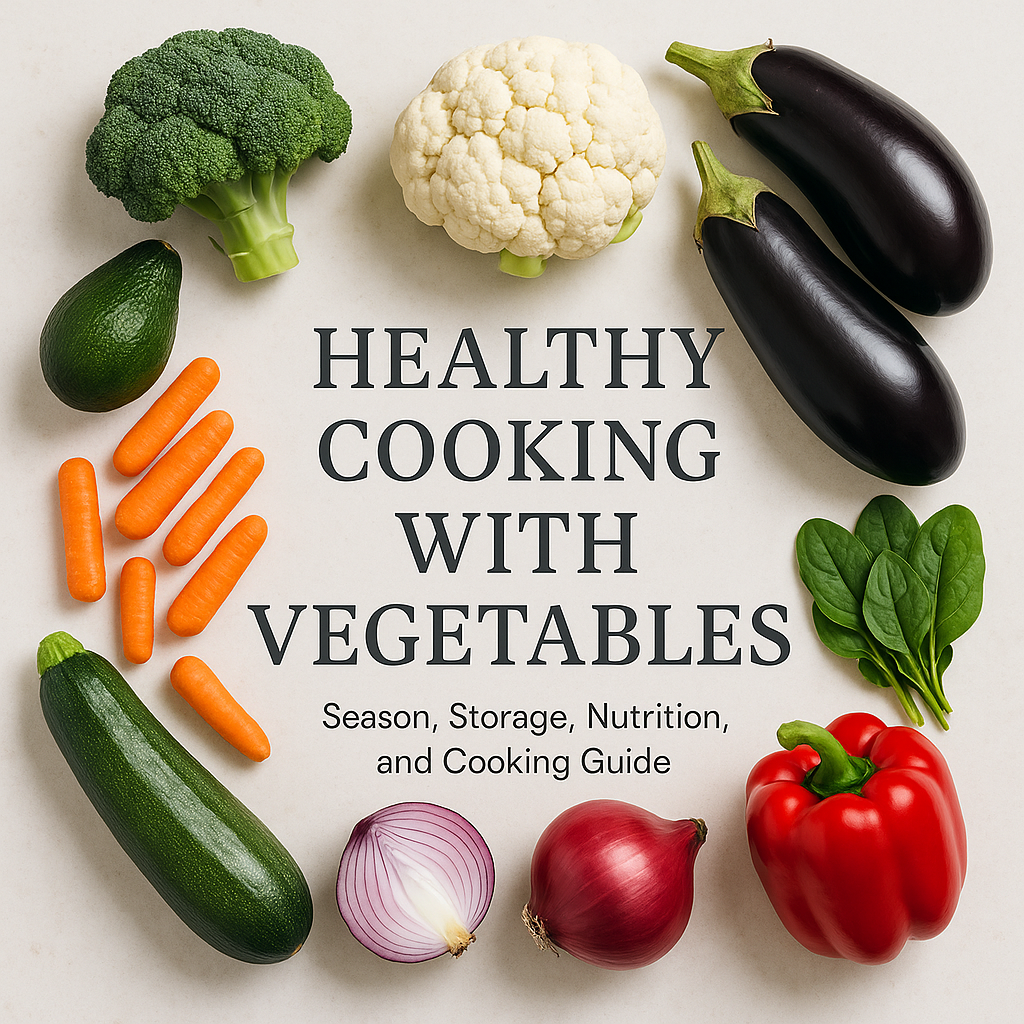
🍓 Healthy Cooking with Vegetables: Season, Storage, Nutrition, and Cooking Guide
Vegetables are an integral part of a balanced diet, offering a multitude of flavors, textures, and nutritional benefits. This comprehensive guide delves into the characteristics, benefits, origins, and seasonal availability of various vegetables. Additionally, it provides tips on choosing, cooking, and storing vegetables to maximize their freshness and flavor.
✨ Characteristics
Vegetables are a diverse group of foods that come in various shapes, colors, and flavors. Each vegetable has unique characteristics that make them suitable for different culinary techniques. For example, root vegetables like carrots and potatoes are known for their robustness and earthiness, while leafy greens like spinach and kale are celebrated for their delicate texture and vibrant color. Moreover, vegetables can be categorized by their part used for consumption: roots, leaves, stems, seeds, flowers, or fruits, each contributing distinct characteristics to a dish.
💪 Benefits
Incorporating vegetables into your diet is associated with numerous health benefits. They are low in calories and high in essential nutrients like vitamins A, C, and K, fiber, potassium, and folate. Regular consumption can support cardiovascular health, enhance digestion, and promote optimal skin health. Recent studies have also linked a diet rich in vegetables to a lowered risk of chronic diseases such as type 2 diabetes and hypertension.
🌍 Origin
The origin of vegetables spans across the globe, each type having a history deeply intertwined with its place of cultivation. For instance, tomatoes, often considered vegetables in culinary contexts, originated in western South America and were cultivated by the Aztecs and Incas. Conversely, cabbage and its family members like broccoli and Brussels sprouts trace their roots to Europe. Understanding the origin of vegetables can enrich a culinary experience, offering insights into traditional cooking methods and flavor pairings inherent to a region.
📅 Harvest Season
Being aware of the harvest seasons is essential to selecting vegetables at their peak flavor and nutrition. In general, spring brings an abundance of leafy greens such as lettuce and arugula. Summer is rich with tomatoes, zucchinis, and peppers. Fall echoes with the crunch of root vegetables like beets, carrots, and sweet potatoes. Winter hails the arrival of squashes and cruciferous vegetables including kale and Brussels sprouts. Opting for vegetables in season not only enhances flavor but also supports local agriculture and reduces environmental impact.
🧺 Varieties
Exploring the various varieties of vegetables can noticeably diversify the diet and cooking options. Tomatoes alone have multiple varieties such as heirloom, plum, and cherry, each with unique flavors and textures. Similarly, cabbages range from savoy and napa to the traditional green cabbage, expanding the opportunities for different cooking techniques and recipes. Understanding and experimenting with these varieties can greatly enrich one’s culinary repertoire.
🛒 How to Choose (Checklist)
- Freshness: Look for vibrant colors and firm textures; avoid those with blemishes or wilting foliage.
- Weight: A good vegetable should feel weighty for its size, indicating freshness and juiciness.
- Aroma: Vegetables should have a fresh smell; an off or sour smell is a sign of spoilage.
- Source: Whenever possible, choose locally grown or organic options to minimize environmental impact and support local farmers.
🍽 Cooking & Eating Methods
Cooking techniques can significantly alter the taste and texture of vegetables. Steaming and microwaving help retain the most nutrients, while roasting with a drizzle of olive oil can bring out rich, caramelized flavors. Sautéing adds a vibrant crisp-tender texture to vegetables like bell peppers and asparagus, while boiling and blanching maintain vivid colors, making them appealing in salads. Exploring raw consumption also opens new avenues, as seen in dishes like coleslaw or cucumber salads. Each method highlights different aspects of vegetables, making them a versatile choice in the kitchen.
❄ Storage Tips
Proper storage can extend the shelf life of vegetables significantly. Many root vegetables, such as carrots and potatoes, last longer when stored in cool, dark places. Leafy greens should be washed, dried thoroughly, and chilled in a crisper drawer wrapped in a paper towel. For most vegetables, storing them whole until use is ideal. However, pre-cut vegetables should be sealed tightly in air-tight containers to prevent moisture loss and contamination. Understanding the unique storage conditions for each type of vegetable ensures that they remain fresh and flavorful.
❓ FAQ (3 questions)
Q: Can vegetables lose their nutritional value if overcooked?
A: Yes, overcooking vegetables can lead to the loss of essential nutrients, particularly water-soluble vitamins like vitamin C and folate. Using quick cooking methods such as steaming or microwaving helps preserve nutrients.
Q: Is it necessary to buy organic vegetables?
A: While organic vegetables can reduce exposure to certain pesticides, the decision hinges on personal preference and budget. Washing and peeling conventionally grown vegetables can also help minimize pesticide residues.
Q: How can I tell if a vegetable is no longer safe to consume?
A: Indicators of spoilage include a sour or off smell, visible mold, slimy textures, or severe wilting. In such cases, it's best to discard the vegetable to avoid any food safety risks.