🍓 Fruit Smoothie Ideas: Season, Storage, Nutrition, and Cooking Guide
Fruit smoothies have gained popularity across the globe as a delicious and convenient way to nourish your body with essential vitamins and minerals. This guide delves deep into their characteristics, benefits, and the variety of fruits available to create the perfect smoothie, alongside storage tips and preparation methods. Explore the vibrant world of fruit smoothies and enrich your dietary routine with these refreshing, nutrient-packed drinks.
✨ Characteristics
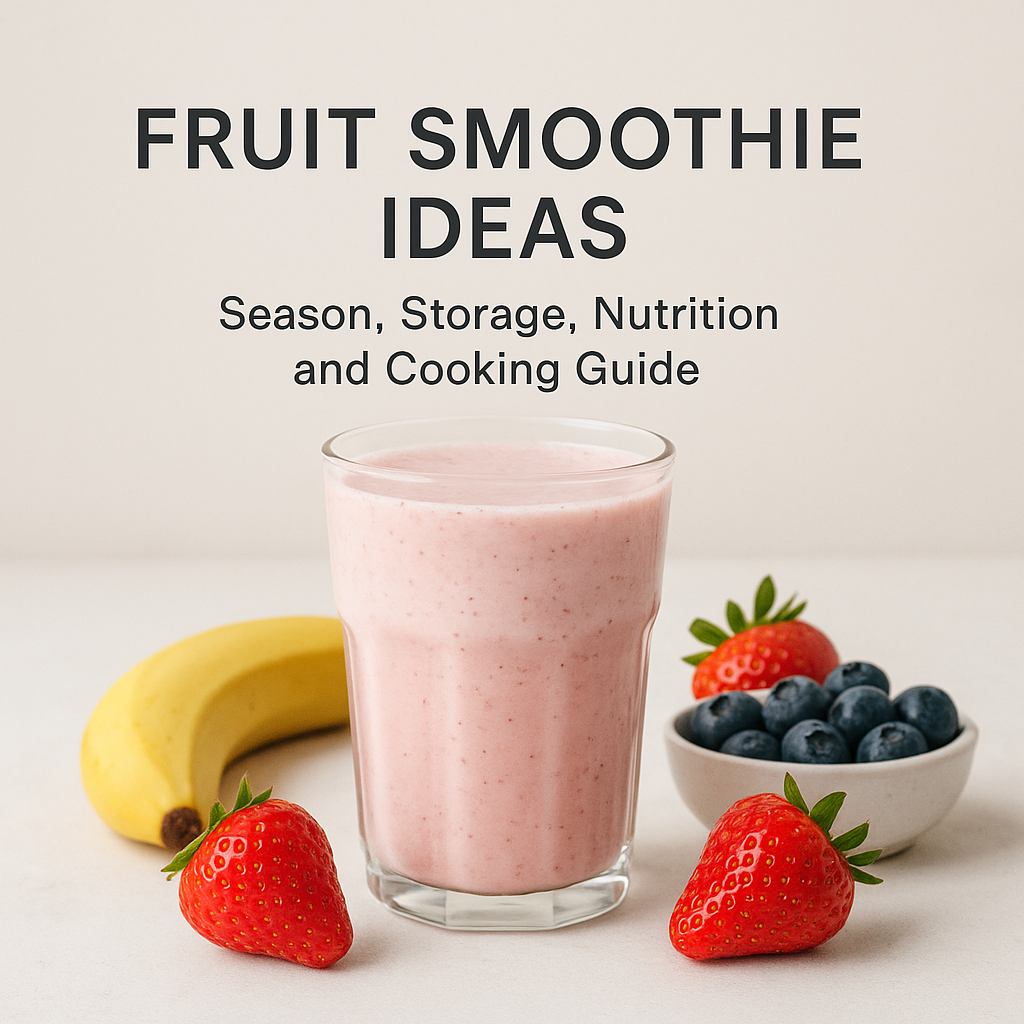
Fruit smoothies are versatile beverages that combine a mix of blended fruits with liquids such as water, milk, or juice. They are characterized by their thick, creamy texture and vibrant colors ranging from rich purples to bright greens, depending on the fruits used. In addition to fresh fruits, smoothies often include ingredients like yogurt, nut butters, greens like spinach or kale, and additives like chia seeds and protein powders to enhance both flavor and nutrition.
💪 Benefits
Introducing fruit smoothies into your diet can offer numerous benefits:
- Nutrient-dense: Smoothies are packed with vitamins, minerals, and antioxidants, essential for maintaining a healthy body.
- Hydration: With high-water-content fruits, smoothies contribute to your daily fluid intake, aiding in hydration.
- Digestive aid: Smoothies made with fibrous fruits and vegetables can promote healthy digestion and regulate bowel movements.
- Weight management: By curbing hunger with fewer calories, smoothies can be a helpful tool in weight management.
- Convenience: Smoothies can be quickly prepared and consumed on-the-go, fitting seamlessly into busy lifestyles.
🌍 Origin
While blending fruits to create a drinkable consistency is a tradition that spans several cultures, the modern smoothie as we know it gained prominence in the mid-20th century, particularly in the United States. The invention of the electric blender in the 1930s led to a surge in smoothie popularity, and the health food movement of the 1960s and 1970s further propelled smoothie culture into the mainstream. Today, smoothies are beloved worldwide, with global variations incorporating unique regional fruits and flavors.
📅 Harvest Season
To ensure the freshest and most nutrient-rich ingredients, it's crucial to use fruits in their peak harvesting seasons:
- Spring: Strawberries, apricots, and pineapples become widely available.
- Summer: A bounty of berries, peaches, watermelons, and mangoes flourish.
- Fall: Apples, pears, and plums reach their sweetest.
- Winter: Citrus fruits like oranges, grapefruits, and pomegranates are in season.
By selecting fruits in their growing season, you not only enhance flavor but support sustainable farming practices.
🧺 Varieties
The world of smoothies offers a wide array of flavors and combinations:
- Berry Blast: Combine strawberries, blueberries, and raspberries for a tangy, antioxidant-rich drink.
- Tropical Delight: Blend mangoes, pineapples, and bananas for a taste of the tropics.
- Citrus Splash: Mix oranges, lemons, and kiwi to invigorate your palate.
- Green Goddess: Balance spinach, kale, and avocado with apples or bananas for a nutrient-packed smoothie.
🛒 How to Choose (Checklist)
When selecting fruits for your smoothie, consider the following checklist for optimal choice:
- Check for freshness, avoiding fruits with blemishes or mold.
- Choose seasonal, locally sourced fruits for best flavor and minimum environmental impact.
- Select various colors to ensure a broad variety of nutrients.
- Consider texture; combine hard and soft fruits for a smooth consistency.
- Smell the fruit to ensure it is fragrant, indicating ripeness.
🍽 Cooking & Eating Methods
Smoothies can be easily achieved with a blender and a handful of ingredients. Here are some methods and tips to perfect your smoothie-making skills:
- Layering Ingredients: Start with liquids to ease blending, add greens, followed by fruits, and then ice or frozen components.
- Balancing Flavors: Experiment to achieve a balance between sweet fruits, such as bananas, and tart elements, like Greek yogurt or citrus.
- Adding Supplements: Include protein powders, seeds, and nut butters to boost nutrition.
- Using a High-power Blender: Ensure a smooth texture by using equipment that can pulverize tough items like ice.
For best results, serve smoothies fresh as nutrient degradation can occur with prolonged storage.
❄ Storage Tips
Although smoothies are ideally consumed fresh, you can store them as follows:
- Refrigeration: Store smoothies in an airtight container for up to 24-48 hours to preserve nutrients. A splash of lemon juice can prevent oxidation.
- Freezing: Pour smoothies into ice cube trays or freezer bags. Thaw necessary portions when needed.
- Batch Preparation: Pre-prepare ingredient bags for freezing and blend when ready.
❓ FAQ
- What is the best liquid to use in smoothies? Water, milk, plant-based alternatives, and juices all work well. Your choice depends on dietary preferences and desired consistency.
- Can smoothies replace meals? While smoothies can serve as nutritious meal replacements when adequately balanced, consult dietary guidelines to meet your nutritional goals.
- Are smoothies suitable for children? Yes, smoothies can be an excellent way for children to enjoy fruits and vegetables, provided no allergens or added sugars are included.